


1. Treatment of undescended testis (cryptorchidism)
Testicular position should be examined in male infants after birth; orchiopexy (surgical descent and fixation of the testis) should be performed before the age of one for children with undescended testes to reduce the long-term risk of malignant transformation.
2. Periodic self-examination
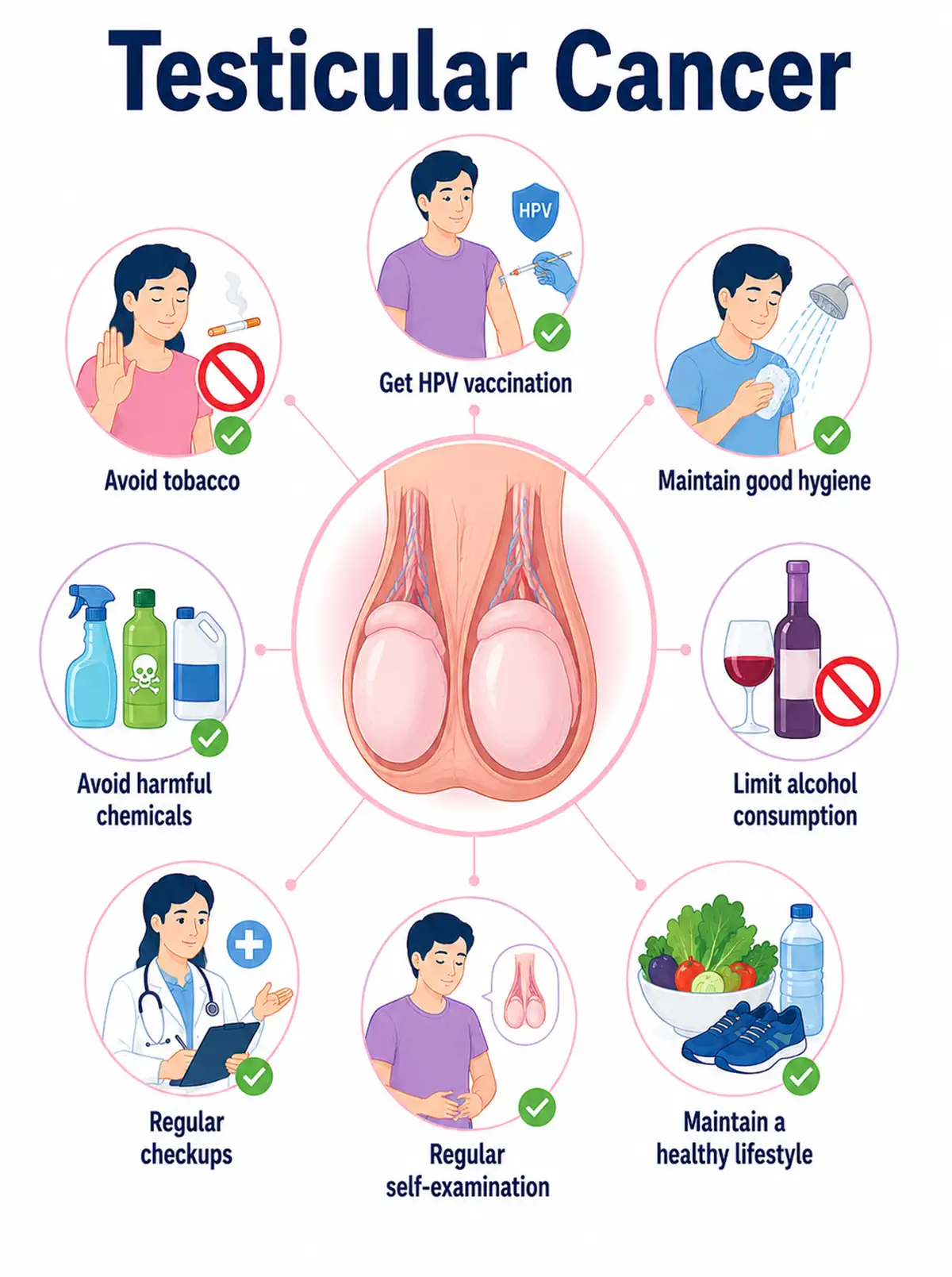
Males past puberty should perform monthly testicular self-examinations, palpating for lumps, changes in firmness, or alterations in size, and seek medical attention if any abnormalities are detected.
3. Genetic counseling
Individuals with a family history of testicular cancer or Klinefelter syndrome should seek genetic counseling to understand their genetic risk and develop an individualized monitoring plan.
4. Avoiding radiation
Unnecessary pelvic and abdominal radiological examinations should be avoided during childhood; ionizing radiation can increase the risk of germ cell mutations, a matter requiring serious attention.
5. Healthy living
Maintain a regular daily routine, a balanced diet, and moderate exercise; avoid excessive fatigue and mental stress to preserve normal immune function.
6. Focus on the contralateral side
Patients with a history of testicular germ cell tumor in one testis require close monitoring of the contralateral testis; due to the increased risk of developing the disease in the other testis, lifelong regular follow-up examinations are necessary.
7. Fertility preservation
Confirmed patients should consult on fertility preservation options prior to treatment; since radiotherapy and chemotherapy may affect fertility, sperm cryopreservation may be considered.
Conclusion
Testicular cancer is caused by a combination of factors, including undescended testicles and genetics; it is a serious malignancy common among young and middle-aged men.Early treatment of undescended testicles, regular self-examinations, and genetic counseling—leading to early detection and timely intervention—are crucial for improving prognosis.


