


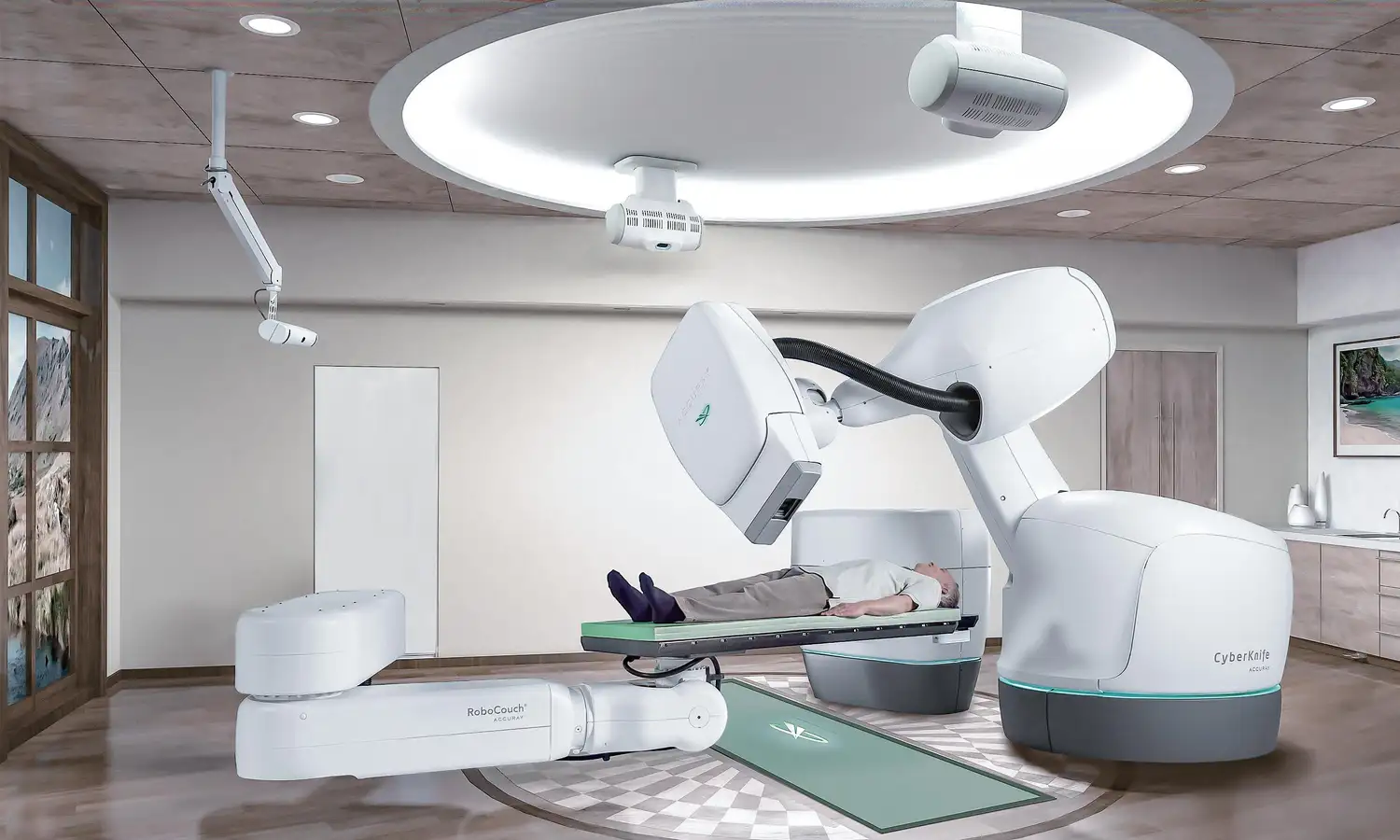
The Accuray CyberKnife M6 was developed by Professor John R. Adler of Stanford University and represents the latest global technology for whole-body stereotactic X-ray radiosurgery. It is not a "scalpel" in the traditional sense; rather, it is a system that mounts a miniaturized linear accelerator onto a six-axis robotic arm, utilizing the arm's omnidirectional delivery capabilities to administer precise radiation therapy to tumors.
Core Technologies
What is CyberKnife?
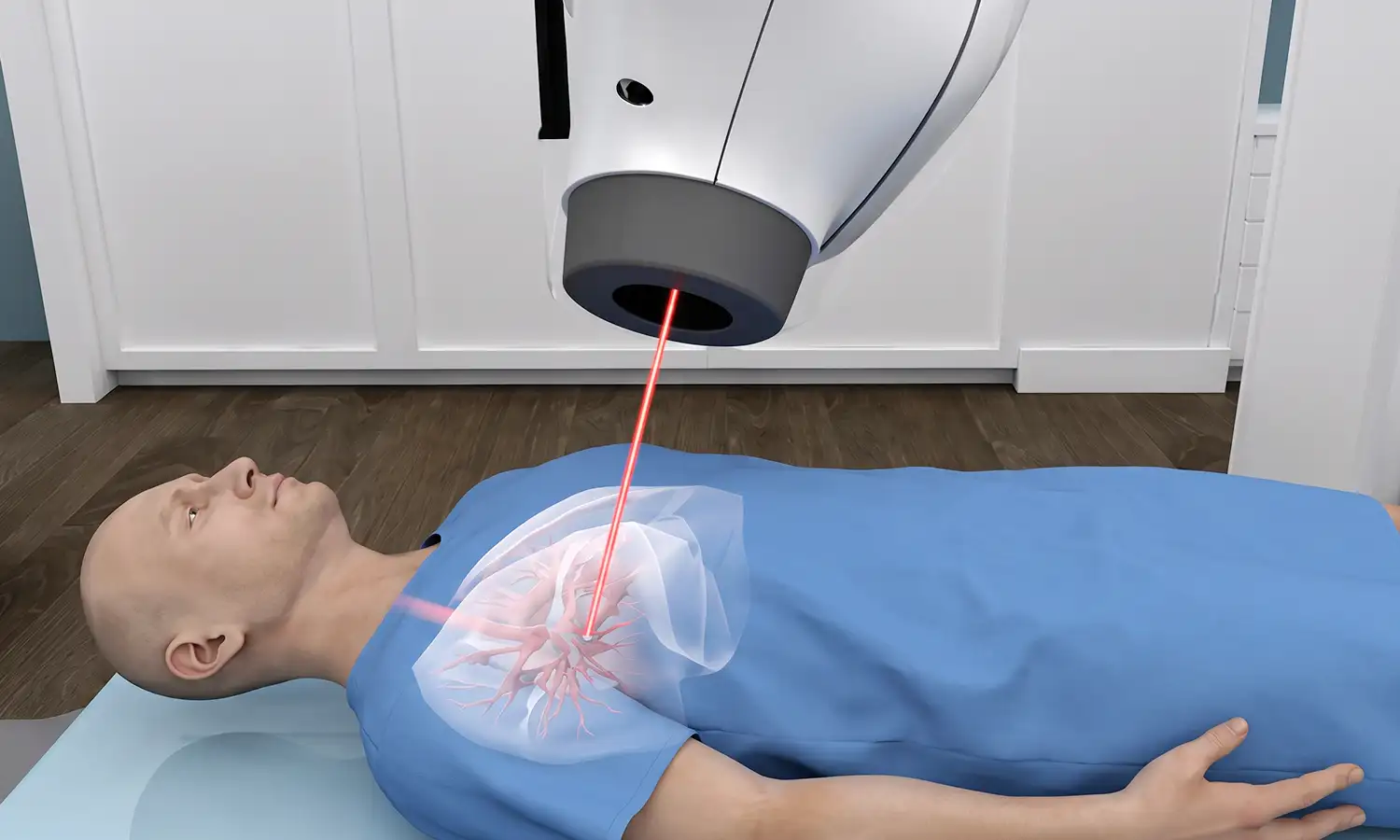
CyberKnife is also known as a "3D stereotactic radiosurgery robot."It features a miniaturized linear accelerator mounted on a robotic arm with six degrees of freedom; the arm flexibly maneuvers the accelerator to precise locations, allowing radiation beams to focus on the tumor from outside the patient's body.Compared to traditional radiotherapy equipment, CyberKnife represents a major upgrade, shifting from "planar irradiation" to "spherical omnidirectional focusing."
1. Multi-angle focused irradiation technology
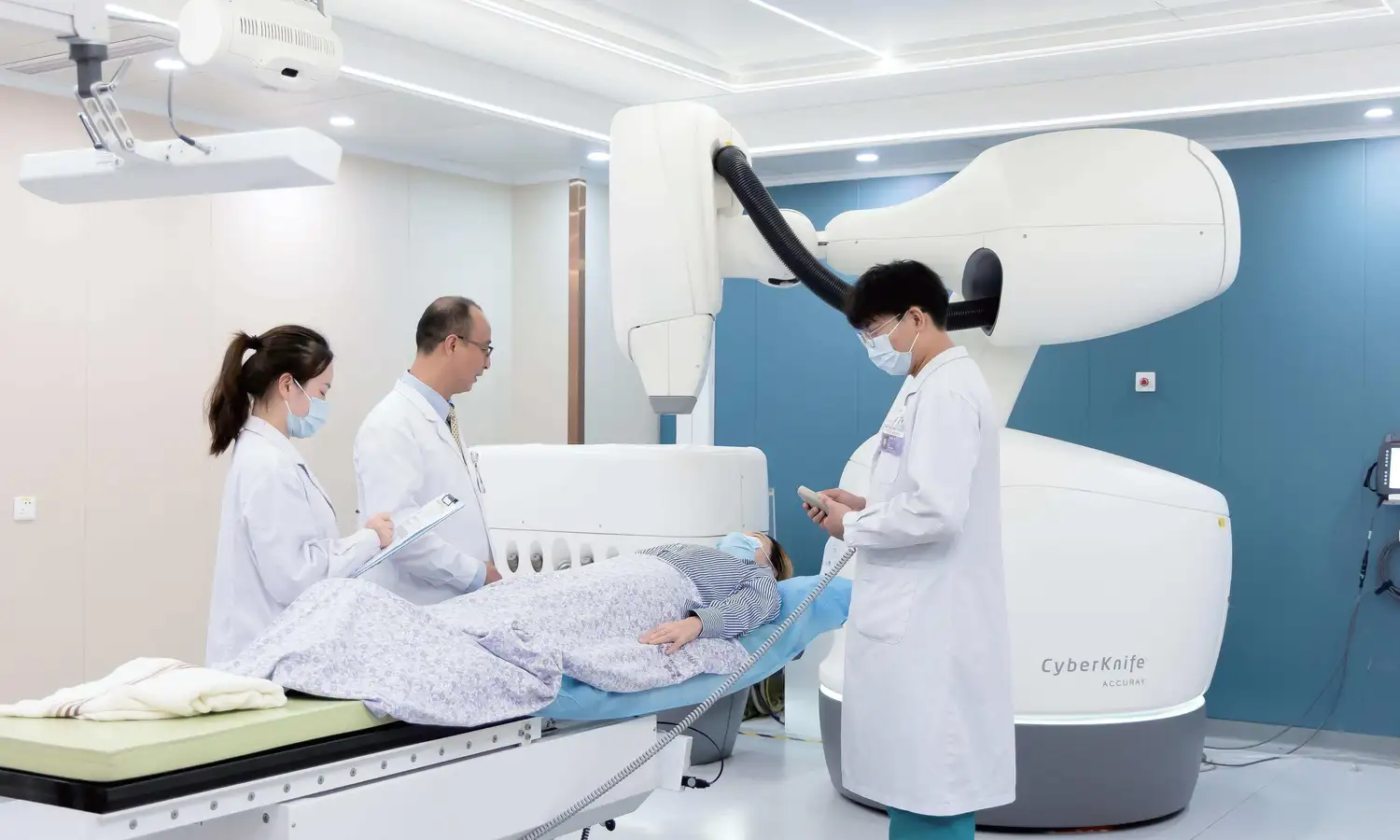
CyberKnife can deliver radiation beams from over 1,560 different spatial angles, converging them on the tumor via central focusing to create a precise "cutting" effect at the tumor's edge, thereby maximizing the protection of surrounding healthy tissue.
2. Real-time motion tracking technology
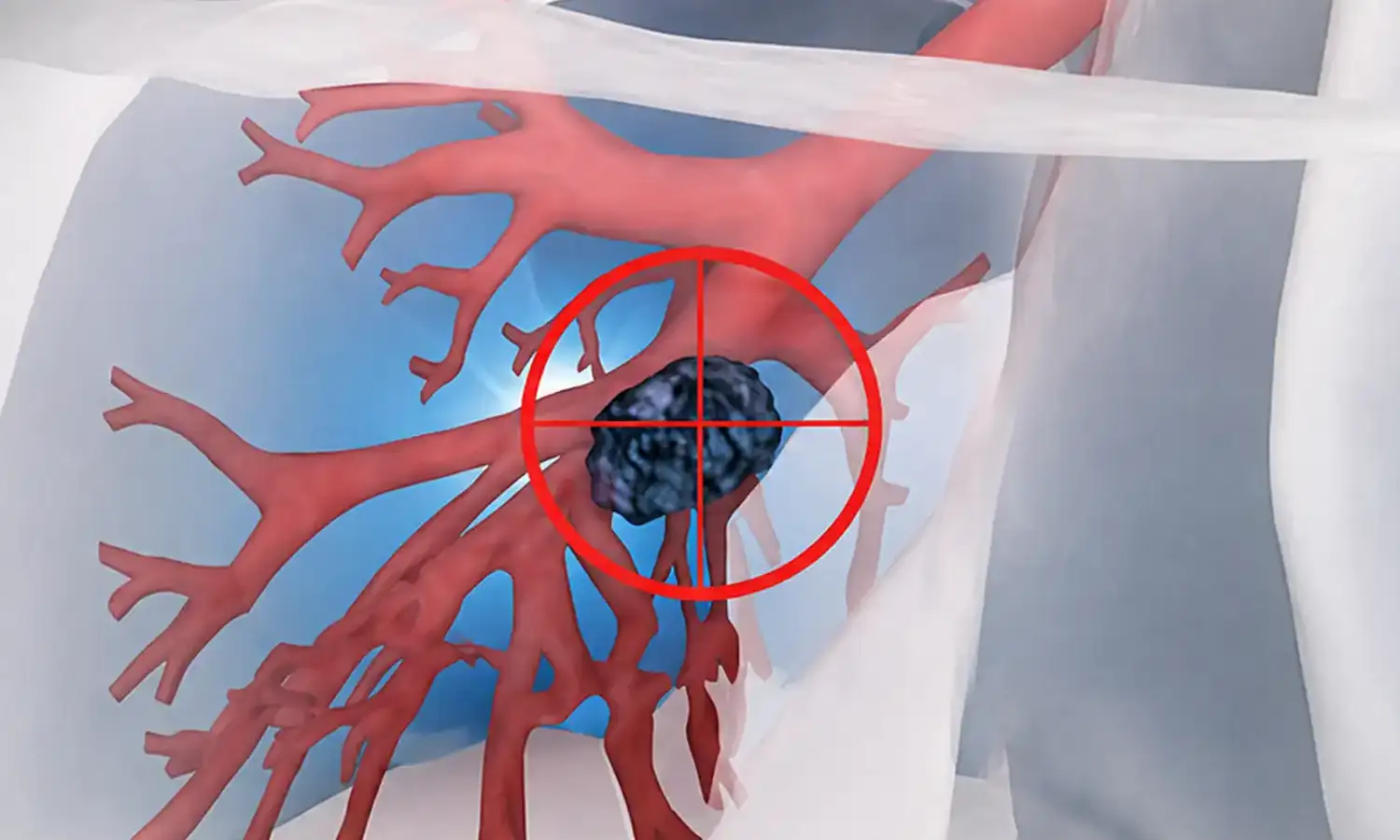
The M6 CyberKnife system utilizes infrared optical tracking and real-time X-ray image guidance to continuously monitor tumor location during treatment.As the tumor moves with respiration, the robotic arm adjusts the beam direction in real-time, ensuring the radiation remains precisely locked onto the tumor.
Scope of Indications
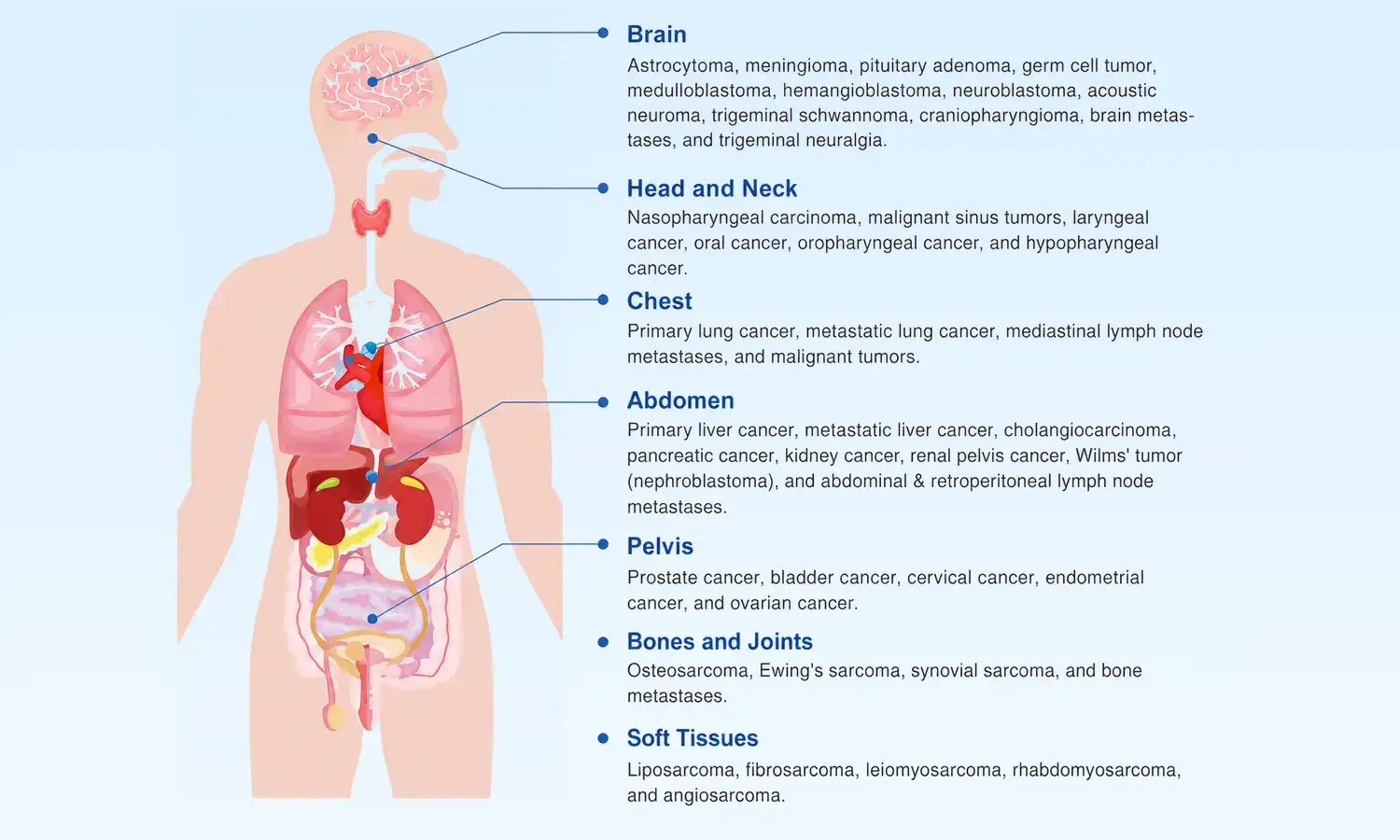
The indications for the Model M6 CyberKnife system cover all parts of the body, enabling targeted treatment for a wide range of conditions, including malignant tumors, metastases, benign tumors, and vascular malformations.
1. Treatable tumor sites
① Site:Common Indications
② Intracranial:Brain metastases, meningioma, acoustic neuroma, pituitary adenoma, glioma, arteriovenous malformation, trigeminal neuralgia, etc.
③ Head and Neck:Nasopharyngeal carcinoma, recurrent head and neck cancer, orbital tumors, etc.
④ Thorax:Primary lung cancer, pulmonary metastases, mediastinal tumors, etc.
⑤ Abdomen:Primary liver cancer, liver metastases, pancreatic cancer, renal cancer, etc.
⑥ Pelvic region:Prostate cancer, adrenal tumors, etc.
⑦ Spine:Spinal metastatic tumors, primary spinal tumors, intramedullary tumors, etc.
2. Suitable patient population
• Patients unable to tolerate conventional surgery
When a tumor is located in a critical functional area (such as the brainstem or spinal cord), or when a patient cannot undergo open surgery due to advanced age or cardiopulmonary insufficiency, CyberKnife offers a safe and effective alternative.
• Patients seeking minimally invasive treatment strategies
For patients who prefer to avoid invasive surgery and seek non-invasive treatment options, the CyberKnife system—which requires neither incisions nor anesthesia—is an ideal choice.
• Patients with metastatic tumors
Whether dealing with oligometastases or multiple metastases, CyberKnife enables precise irradiation of lesions across various sites, effectively controlling local progression.
• Patients with a history of radiotherapy
For patients with local or regional recurrence, the precise targeting capabilities of the CyberKnife allow for re-irradiation while sparing surrounding healthy tissue, offering new treatment options for those who have previously undergone radiotherapy.
• Patients with tumors adjacent to critical organs
For tumors located in close proximity to critical structures such as the eyeball, brainstem, spinal cord, or major blood vessels, traditional surgery or radiotherapy carries high risks.Leveraging sub-millimeter precision and real-time tracking technology, the CyberKnife system can effectively destroy tumors while maximizing the protection of critical organs.
Core Strengths
Comparison Dimension Conventional Radiotherapy/Surgery CyberKnife M6
Degree of trauma Open surgery involves incisions and bleeding risks Non-invasive, painless, and requires no anesthesia
Treatment accuracy Millimeter level (approx. 3–5 mm) Sub-millimeter level (error < 0.95 mm)
Tracking Capability Static positioning; unable to compensate for organ movement Real-time dynamic tracking; the radiation beam follows the tumor wherever it moves
Number of treatment sessions Conventional radiotherapy requires 25–30 sessions Requires only 1–5 irradiation sessions
Treatment duration: Several weeks; approximately 30–60 minutes per session.
Hospitalization requirement Usually requires hospitalization No hospitalization required; can be performed on an outpatient basis
Side effects Significant; extensive irradiation of normal tissue Minimal side effects; maximal protection of surrounding healthy tissue
Irradiation angles Limited to a few angles within a single plane 1,560+ angles; omnidirectional irradiation in 3D space
Traditional radiotherapy and surgical treatment
Traditional surgical treatments often require cutting into the lesion, entailing issues such as trauma, bleeding, and extended recovery periods. Conventional radiotherapy primarily relies on fixed positioning for irradiation; treatment precision is typically at the millimeter level, limiting its adaptability to tumors that shift due to respiration or body movement.Some treatments require multiple sessions spanning several weeks, potentially increasing the radiation exposure of surrounding healthy tissue.
CyberKnife M6
Compared to traditional treatment methods, the CyberKnife M6 offers superior precision and dynamic adaptability.It achieves sub-millimeter targeting accuracy (with an error margin of less than 0.95 mm). By integrating real-time image tracking technology, it adjusts the radiation beam direction in response to tumor movement, enabling dynamic, precise irradiation.
Regarding treatment efficiency, the CyberKnife M6 allows for the completion of treatment for certain indications in 1 to 5 sessions, each lasting approximately 30 to 60 minutes, without the need for hospitalization.The system supports over 1,560 beam angles, utilizing precise multi-directional focusing to concentrate high doses on the tumor region while minimizing radiation exposure to surrounding normal tissues, thereby reducing treatment-related side effects.
Clinical Application Case
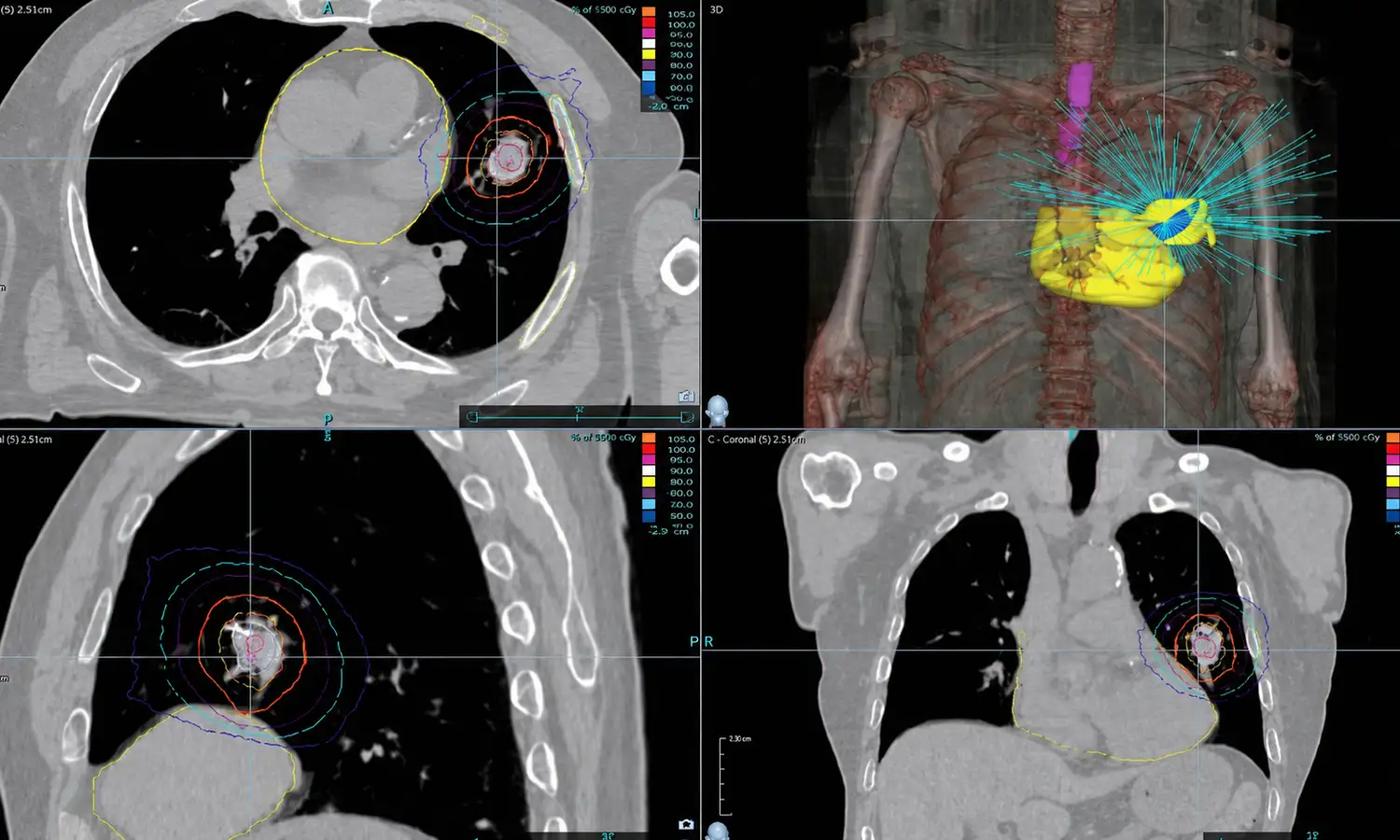
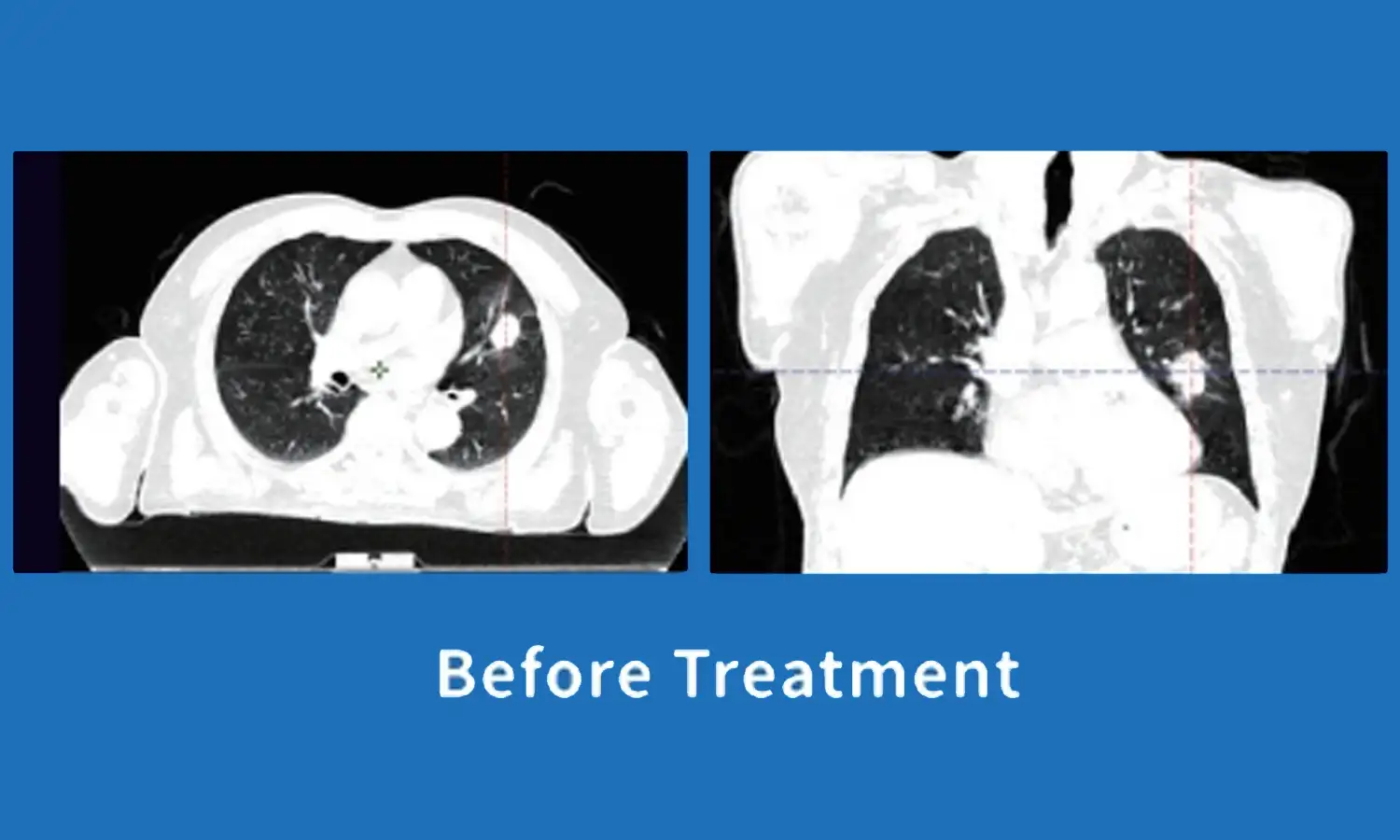
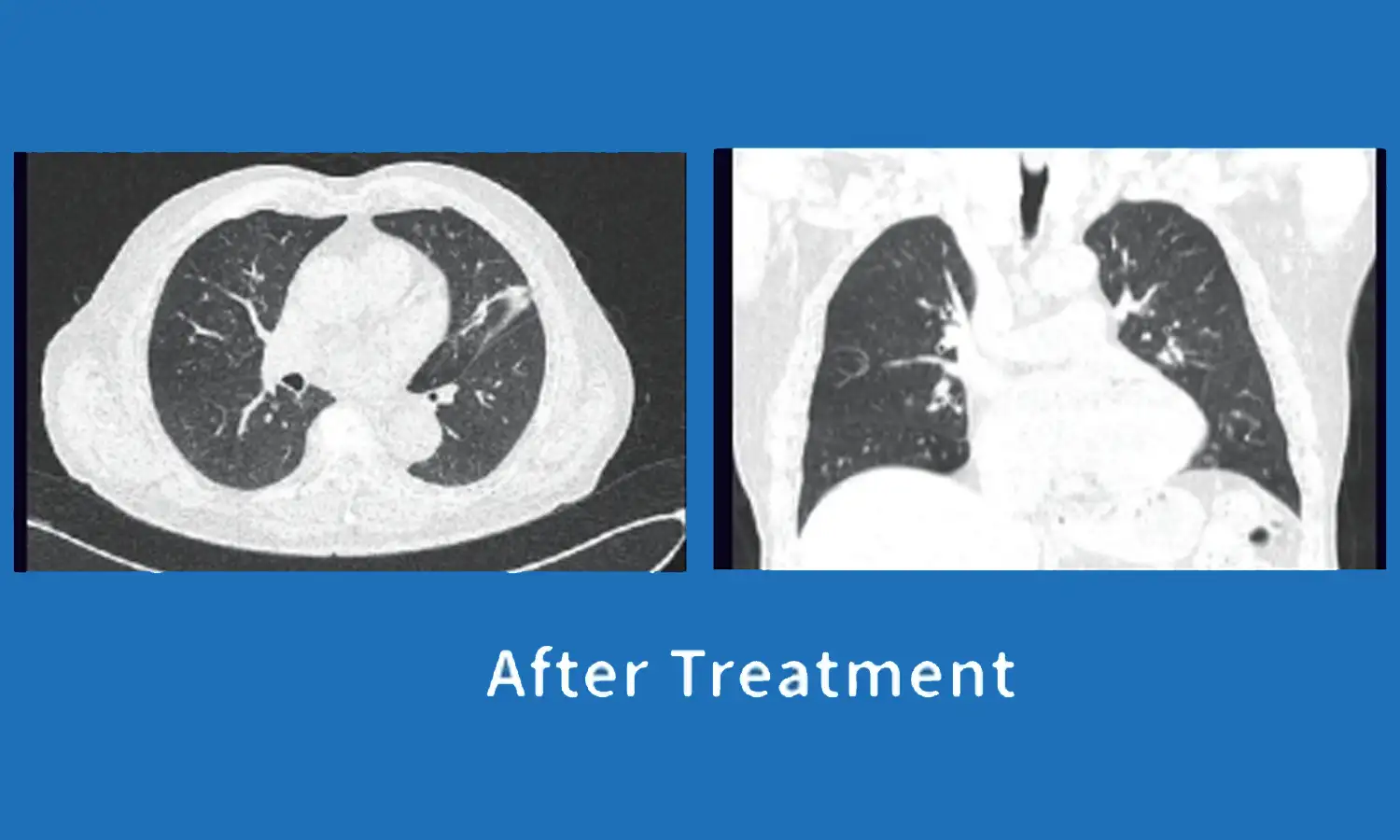
1. Squamous cell carcinoma of the left upper lung
A 73-year-old male patient with locally advanced peripheral lung cancer.
• Treatment plan
CyberKnife SBRT technology targeting lesions in the left lung:
Fractionated radiotherapy: 11 Gy per fraction, for a total of 5 fractions.
Prescription dose: 11 Gy x 5 fractions, over 5 cycles
Prescription isodose line: 63% | Total radiation dose: 118 (IMRT); radiotherapy for metastatic mediastinal lymph nodes (delivered via linear accelerator).
Consolidation immunotherapy was initiated four weeks after the completion of radiotherapy.
• Outcomes and follow-up
Near-complete resolution
2. Pancreatic cancer
A mass with a maximum diameter of 2.5 cm was detected in the patient's pancreas, and a biliary stent was observed locally.Surgery was precluded due to involvement of the superior mesenteric artery and superior mesenteric vein;consequently, the patient underwent chemotherapy and CyberKnife treatment.
• Treatment plan
Fractionated radiotherapy: 8 Gy per fraction, for a total of 3 fractions.
Prescription dose: 8 Gy x 3 fractions
Prescription isodose line: 81%
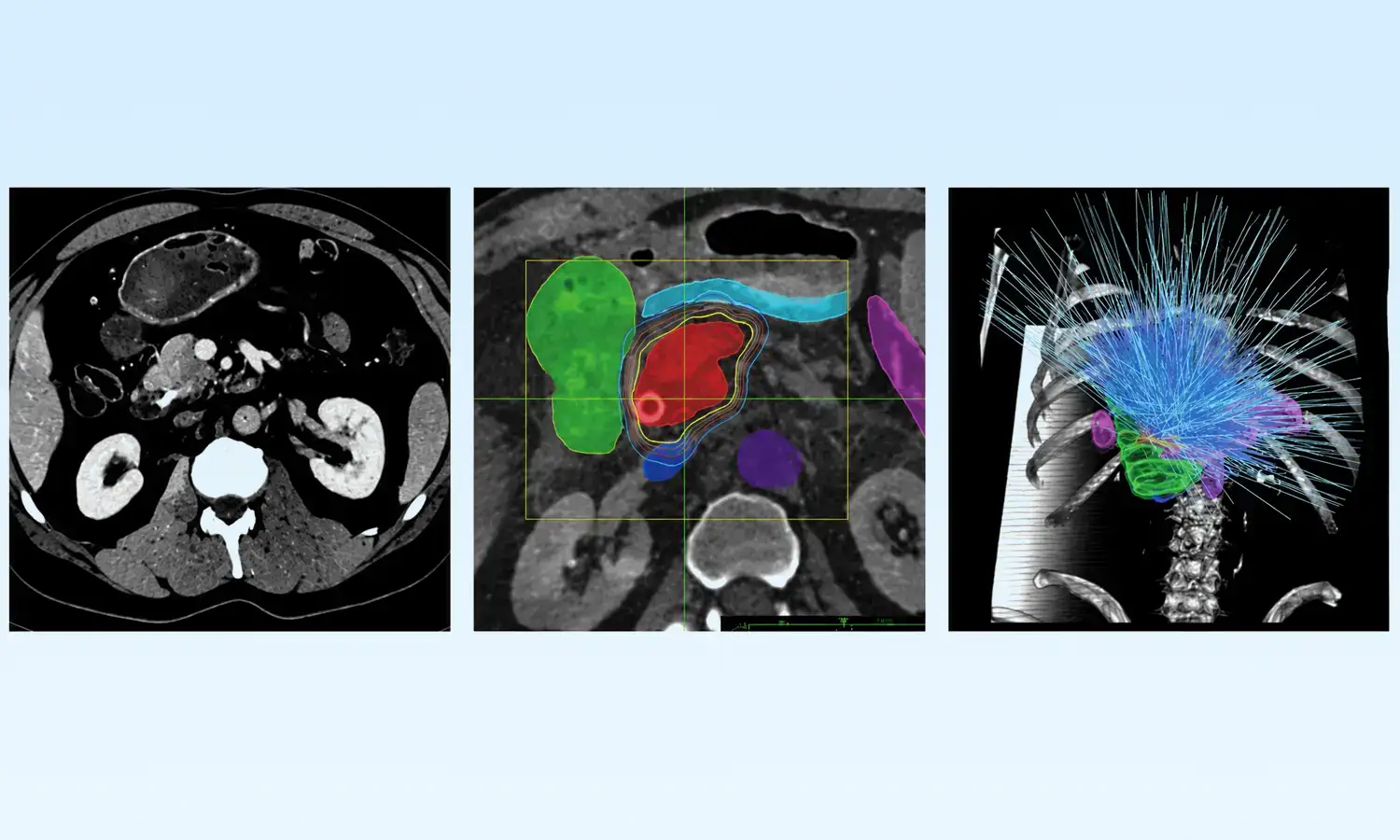
• Outcomes and follow-up
The follow-up PET scan results were negative, indicating that the mass was not significant.
A CT scan performed 11 months post-treatment showed a reduction in tumor volume.
Thirteen months after treatment—and 22 months after the onset of symptoms—the patient's pain had resolved.
3. Small hepatocellular carcinoma
This 63-year-old female patient tested negative for AFP but positive for PIVKA.She was clinically diagnosed with a small, early-stage hepatocellular carcinoma in liver segment S7.Due to the technical difficulty of performing a biopsy, the options considered were monitoring or surgical treatment for the 16 mm tumor.However, the patient declined both approaches, insisting instead on CyberKnife treatment.
• Treatment plan
Implantable fiducial marker technology for tracking
Fractionated radiotherapy: 12 Gy per fraction, for a total of 5 fractions.
Prescription dose: 12 Gy x 5 fractions
Prescription isodose line: 65% | Total radiation dose: 87
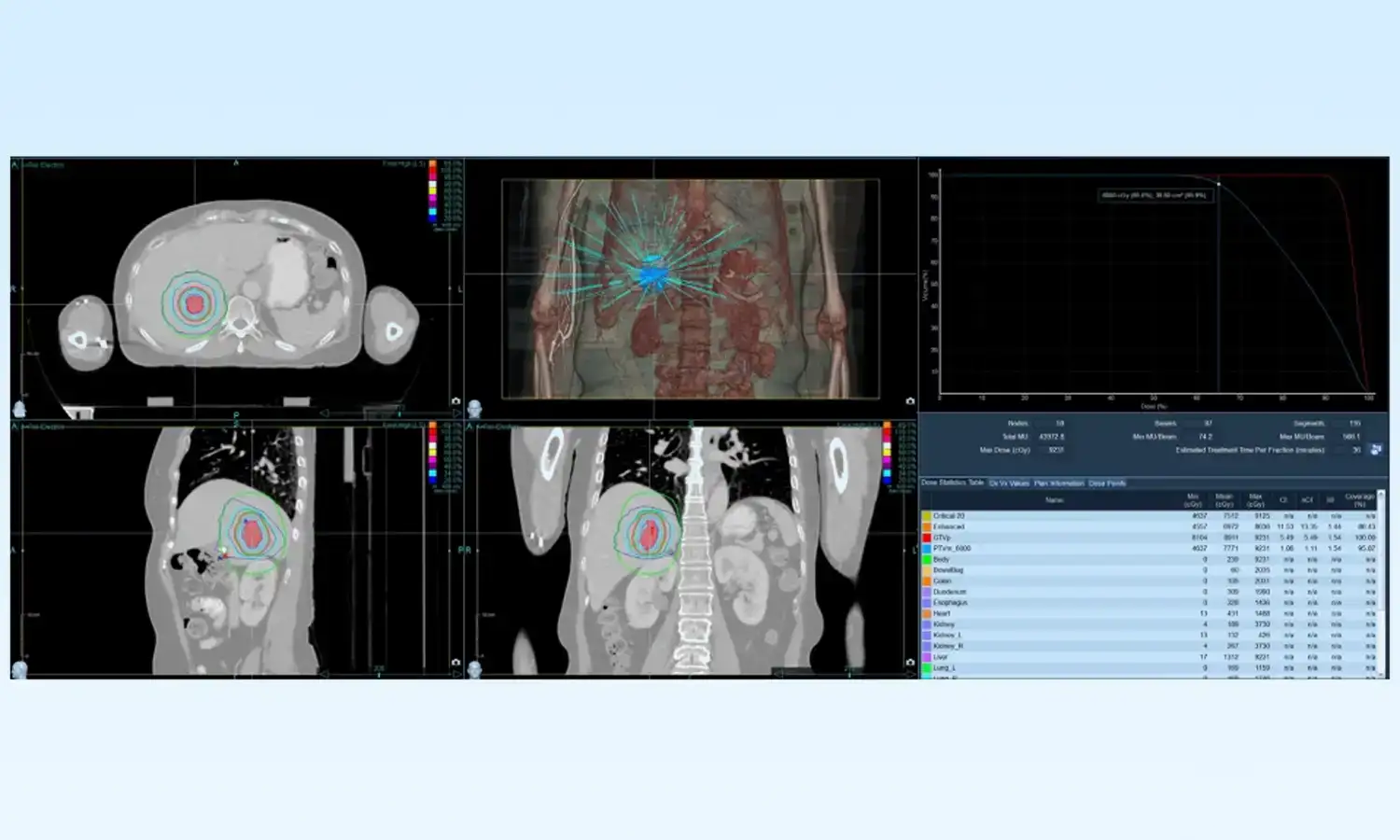
• Outcomes and follow-up
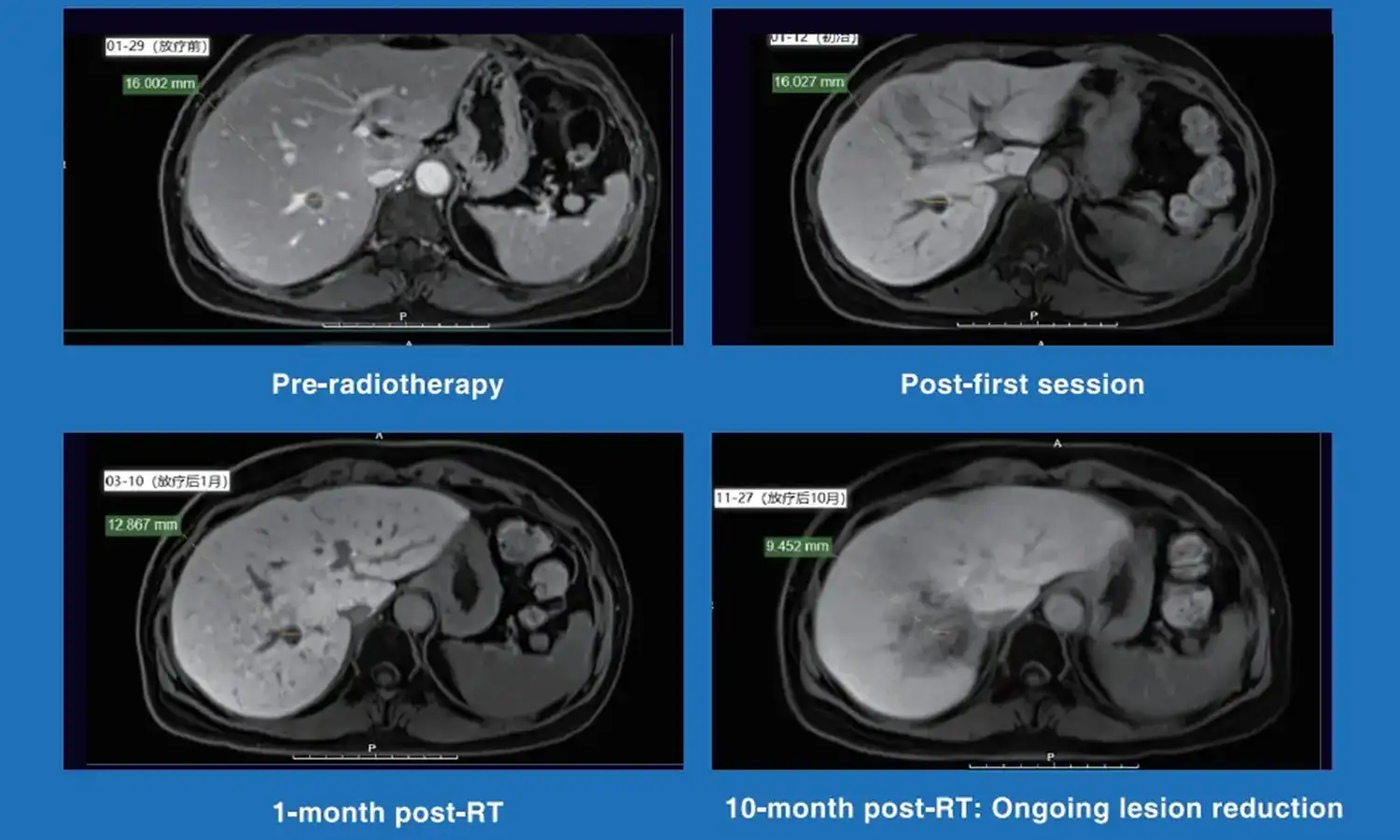
FAQ
1. Does CyberKnife M6 treatment require surgery or anesthesia?
CyberKnife M6 is a form of non-invasive radiosurgery; it does not require surgical incisions like traditional surgery, nor does it typically require general anesthesia.During treatment, the patient maintains the required position while a robotic arm delivers precise radiation to the lesion from multiple external angles.Doctors can assess whether patients—such as those unable to tolerate open surgery or those preferring a non-invasive approach—are suitable candidates for this treatment.
2. Can the CyberKnife M6 still deliver accurate radiation if the tumor moves with respiration?
For lesions (e.g., in the lungs or liver) that may shift due to respiratory motion, the CyberKnife M6 utilizes image guidance and motion tracking to continuously monitor lesion location. A robotic arm adjusts the radiation beam's direction in response to the lesion's movement, ensuring the beam remains continuously aligned with the treatment target as much as possible.This is a key technical feature of the CyberKnife M6 in treating certain mobile tumors.
3. Can I still undergo CyberKnife M6 treatment if I have already received radiotherapy?
Patients who have previously undergone radiotherapy and subsequently experienced local or regional recurrence may still be candidates for re-irradiation.The CyberKnife M6 system utilizes precisely focused radiation to minimize exposure to surrounding healthy tissues; however, the feasibility of retreatment requires a comprehensive assessment of the previous radiation site, dosage, time interval, normal tissue tolerance, and the current status of the lesion.
4. How many treatment sessions are typically required for CyberKnife M6?Is hospitalization necessary?
For certain indications, CyberKnife M6 treatment involves 1 to 5 sessions, with each session lasting approximately 30 to 60 minutes; some patients can complete treatment on an outpatient basis without hospitalization.A personalized treatment plan—determining the specific number of sessions, single-fraction dose, and whether hospitalization is required—is formulated based on the tumor type, lesion size and location, and the patient's physical condition.
5. How do I inquire about CyberKnife M6 treatment?
To determine your suitability for CyberKnife M6 treatment, you may submit medical records such as pathology reports, recent CT, MRI, or PET/CT scans, and records of past surgeries and radiotherapy.Doctors will evaluate factors including the type, size, number, and location of the lesions, as well as your treatment history and physical condition, to determine if CyberKnife M6 treatment is indicated and to formulate an appropriate treatment plan.