


Developed by Intuitive Surgical (USA), the da Vinci surgical robot is the most widely used surgical robotic system globally. The fourth-generation da Vinci Xi system received FDA approval in 2014;it boasts an operational reliability rate exceeding 99% and a surgical completion rate of 99.9%.With industry-leading control response and synchronization accuracy across all system nodes, it serves as the primary model used in major medical centers worldwide.
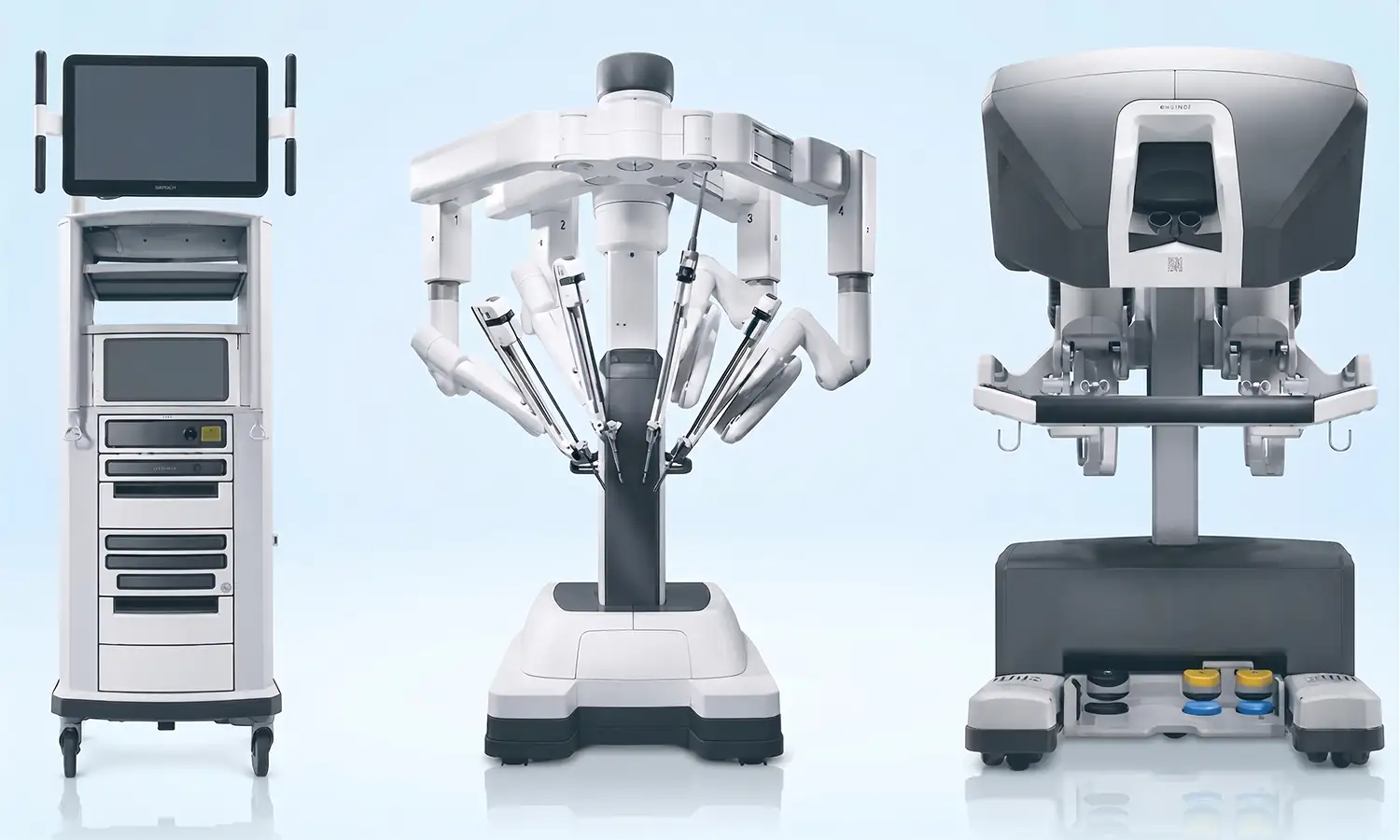
Core Technologies
What is the da Vinci surgical robot?
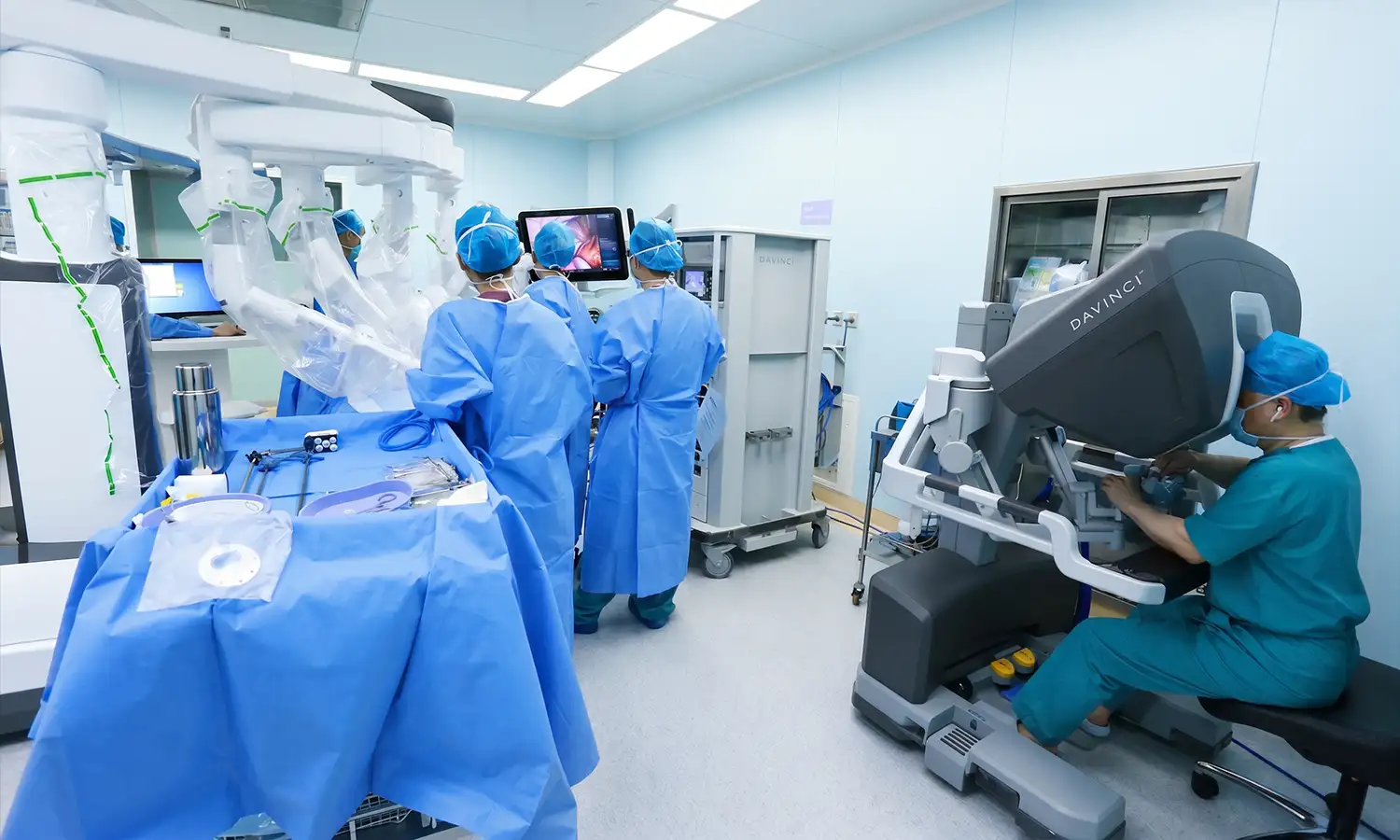
The da Vinci surgical robot is a high-precision system designed to assist surgeons in performing minimally invasive surgery. It does not perform surgery autonomously;instead, it translates the surgeon's hand movements in real-time into precise actions by the robotic arms—the surgeon operates from a console, while the robotic arms execute the delicate surgical tasks inside the patient's body.Compared to traditional laparoscopic surgery, the da Vinci system represents a significant leap forward in terms of visual clarity, operational flexibility, and surgical precision.
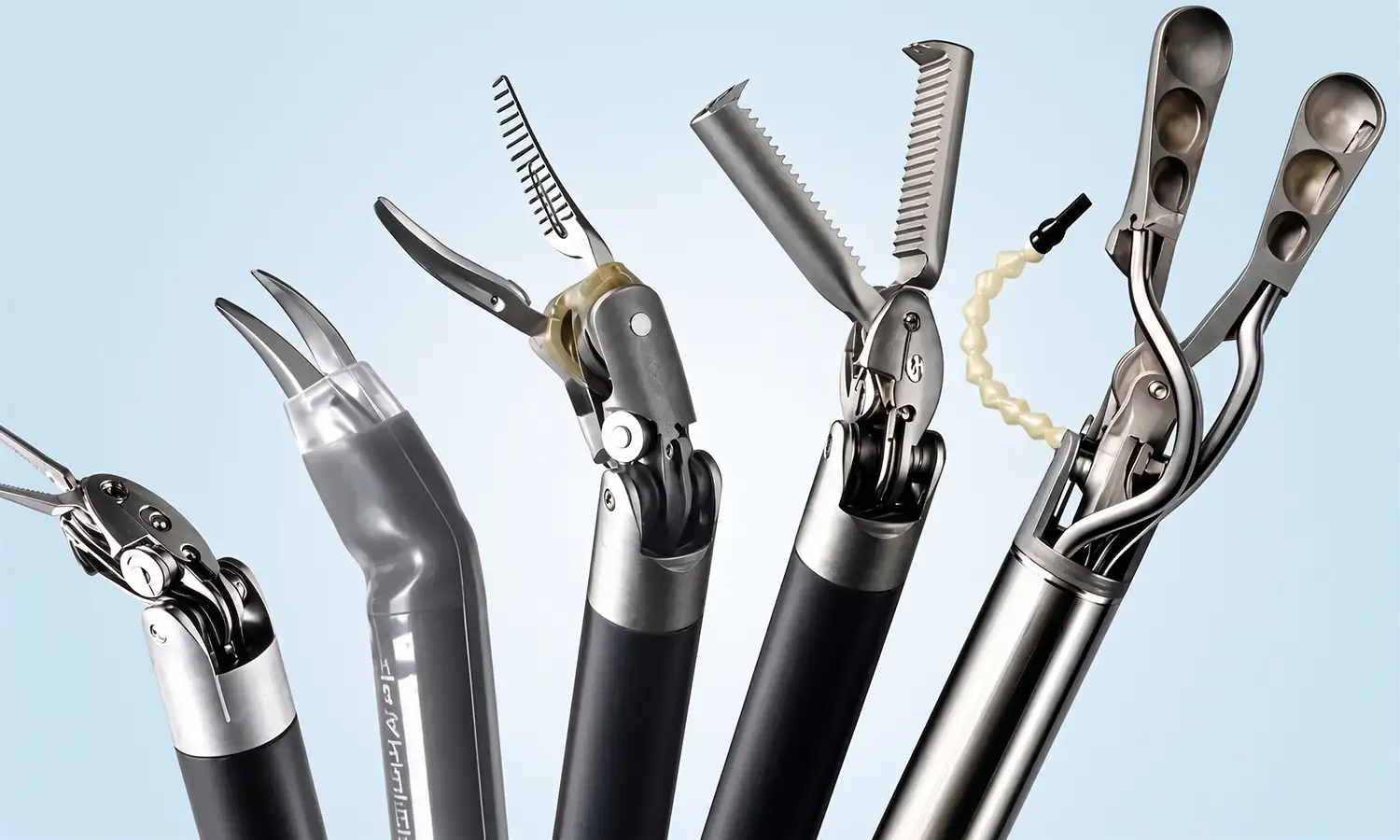
1. High-magnification 3D HD visualization
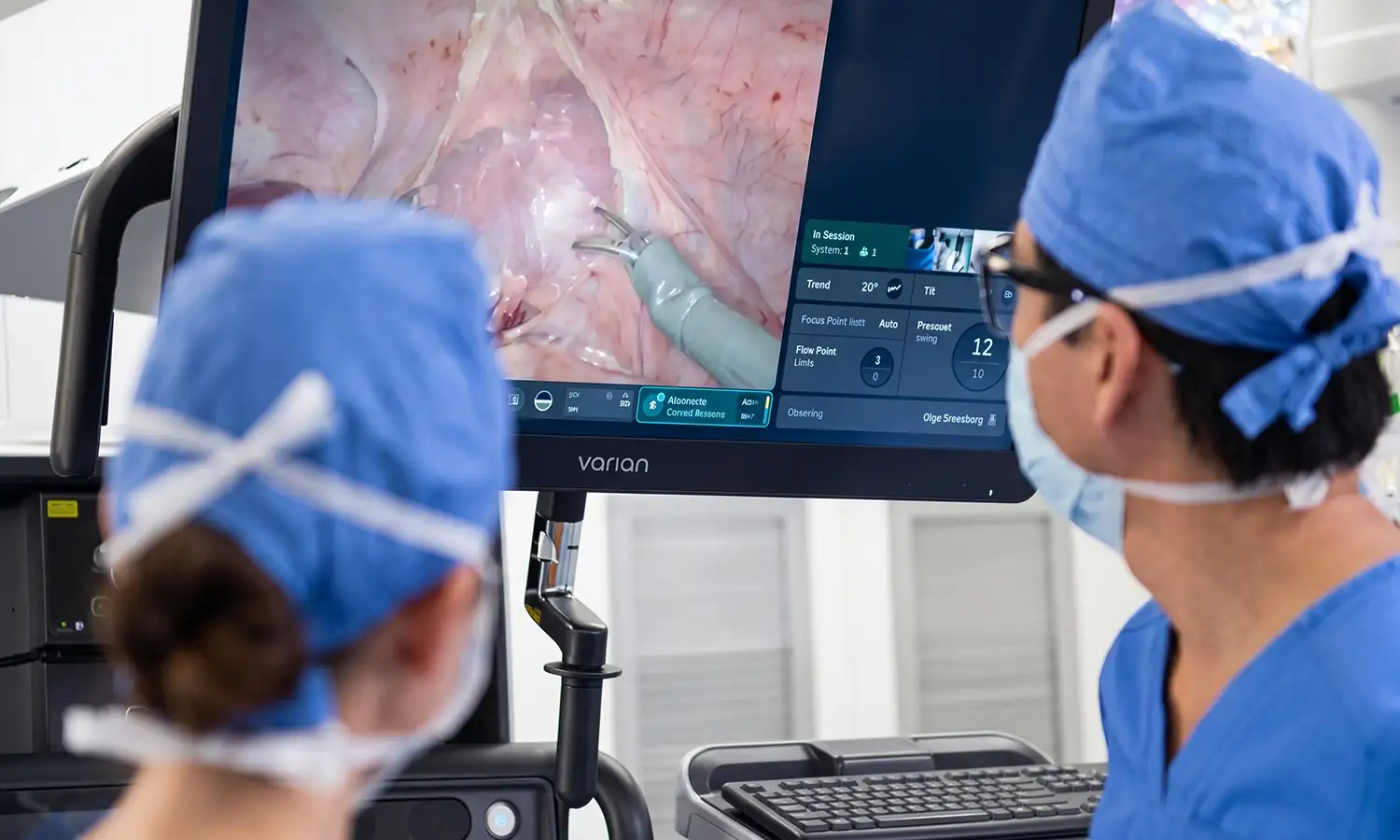
The da Vinci Xi system magnifies the surgical site by 10 to 15 times, presenting a 3D stereoscopic image with true depth perception, allowing surgeons to clearly distinguish minute blood vessels, nerves, and tissues.Equipped with fluorescence imaging technology, it provides real-time intraoperative visualization of blood vessels and tissue perfusion.
2. Flexible manipulation surpassing human hand capabilities
The robotic arm can rotate 540 degrees, far exceeding the range of human hand movement.It features tremor-filtering technology that automatically eliminates involuntary hand tremors and scales down large movements into ultra-precise instrument actions.
3. Suspended boom system with intelligent linkage
The fourth-generation Xi system features an overhead boom architecture; the robotic arms have a range of motion covering the entire abdomen, and the endoscope can be attached to any arm for flexible field-of-view switching.An integrated cart linkage system allows for surgical table adjustments without disconnecting the robotic arms, optimizing surgical exposure.
Scope of Indications
The fourth-generation da Vinci Xi surgical robot is widely used for minimally invasive surgeries across various surgical specialties.
1. Areas for treatment/surgery
Field Common Surgical Procedures
Urology: Prostate cancer, renal tumors, bladder cancer, adrenal tumors
Gynecology: Benign and malignant tumors of the uterus and ovaries
Thoracic Surgery: Lung cancer, esophageal cancer, mediastinal tumors
General Surgery / Hepatobiliary Surgery Gastric cancer, colorectal cancer, liver cancer, pancreatic cancer
Head and Neck Surgery Benign and malignant oropharyngeal tumors
2. Suitable patient population
• Individuals requiring minimally invasive thoracic or abdominal tumor surgery
For patients requiring tumor resection in fields such as urology, thoracic surgery, gynecology, or general surgery, the da Vinci system enables precise resection through a minimally invasive approach.
• Individuals seeking surgical treatments that are more precise and less traumatic
Compared to traditional open surgery and standard laparoscopic procedures, the da Vinci system offers over 10x magnification, a 3D high-definition view, and dexterity surpassing that of the human hand. It enables complete tumor resection while maximizing the preservation of surrounding healthy tissue.
• Pediatric patients and patients requiring surgery in complex anatomical regions
The Xi system is suitable for both adult and pediatric patients; its capability for fine, precise manipulation makes it particularly well-suited for surgeries involving complex anatomical structures or confined spaces.
Core Strengths
Comparison Dimension Conventional Open Surgery Standard Laparoscopic Surgery da Vinci Xi Surgical Robot
Field of View: Direct naked-eye view; 2D planar view; 10–15x magnified 3D high-definition view with a realistic sense of depth.
Instrument flexibility Natural wrist movement Restricted by straight instrument shafts 540° rotation, exceeding the limits of the human hand
Hand tremor Presence of physiological micro-tremor Presence of physiological micro-tremor Tremor-filtering technology ensures stability and smoothness
Operational precision Limited by human manual precision and instrument constraints Motion scaling enables ultra-precise operations
Degree of trauma Large incision Multiple small incisions Minimally invasive small incision; reduced trauma
Recovery time Longer Shorter Shortest; reduced hospital stay
Field of View Switching: Fixed viewing angle; requires repositioning the laparoscope; endoscope can be connected to any robotic arm for flexible switching.
Intraoperative table adjustment Adjustable Requires re-docking Integrated trolley linkage; no need to undock
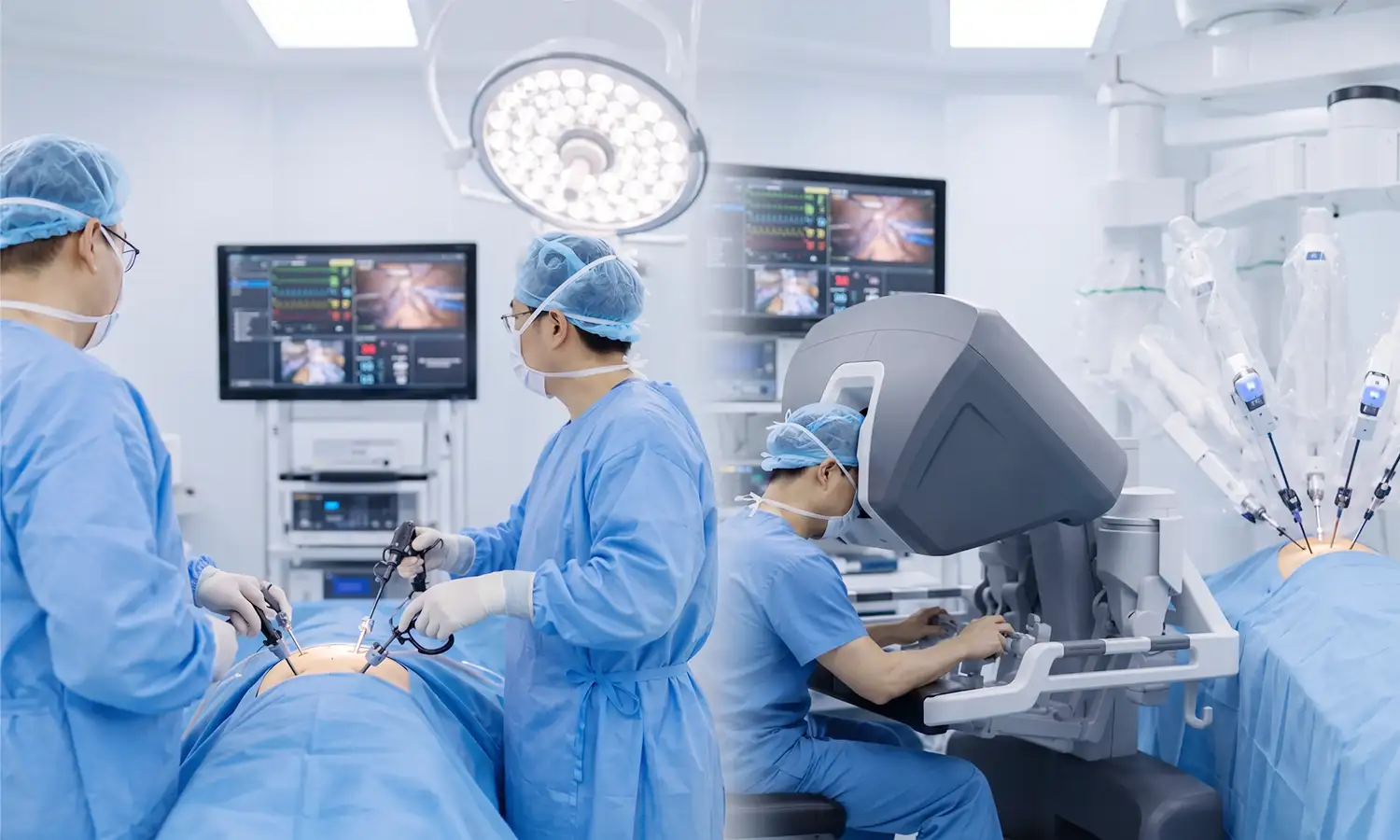
Traditional open surgery and conventional laparoscopic surgery
Conventional open surgery relies on direct manipulation by the surgeon and offers excellent tactile feedback, yet it typically requires large incisions, resulting in significant trauma and prolonged postoperative recovery.While standard laparoscopic surgery reduces trauma through smaller incisions, the use of 2D planar visualization and rigid instruments limits the surgeon's depth perception and instrument maneuverability.Surgical precision and available operating space may be compromised when operating in anatomically complex regions.
da Vinci Xi Surgical Robot
The da Vinci Xi surgical robot further enhances the precision of minimally invasive surgery through a high-definition, 3D magnified view and the operation of flexible robotic arms.The system provides a 3D high-definition view with approximately 10–15x magnification, enabling surgeons to observe anatomical structures more clearly; the robotic arms feature a rotation capability of approximately 540°, overcoming the range-of-motion limitations of traditional instruments.Utilizing motion scaling and tremor filtration technologies, the da Vinci Xi enables more stable and refined movements, assisting in precise dissection and suturing in complex anatomical areas.Additionally, the robotic system employs a minimally invasive approach with small incisions, reducing surgical trauma and helping to shorten patient recovery times.Its flexible endoscope and robotic arm configuration allow for rapid switching of the surgical view, while the integrated boom system minimizes the need for intraoperative equipment repositioning, thereby improving overall surgical efficiency.
Clinical Application Case
1. Retroperitoneal pheochromocytoma (paraganglioma)
Examinations revealed a tumor approximately 10 cm in size in the patient's left retroperitoneal space. The tumor was deeply situated near the pancreas and in close proximity to critical vascular structures, including the abdominal aorta and renal vessels.As the tumor secretes catecholamines, the surgery carried high risks of blood pressure fluctuations, massive hemorrhage, and damage to surrounding tissues; traditional surgical methods presented significant challenges regarding precise dissection and manipulation.
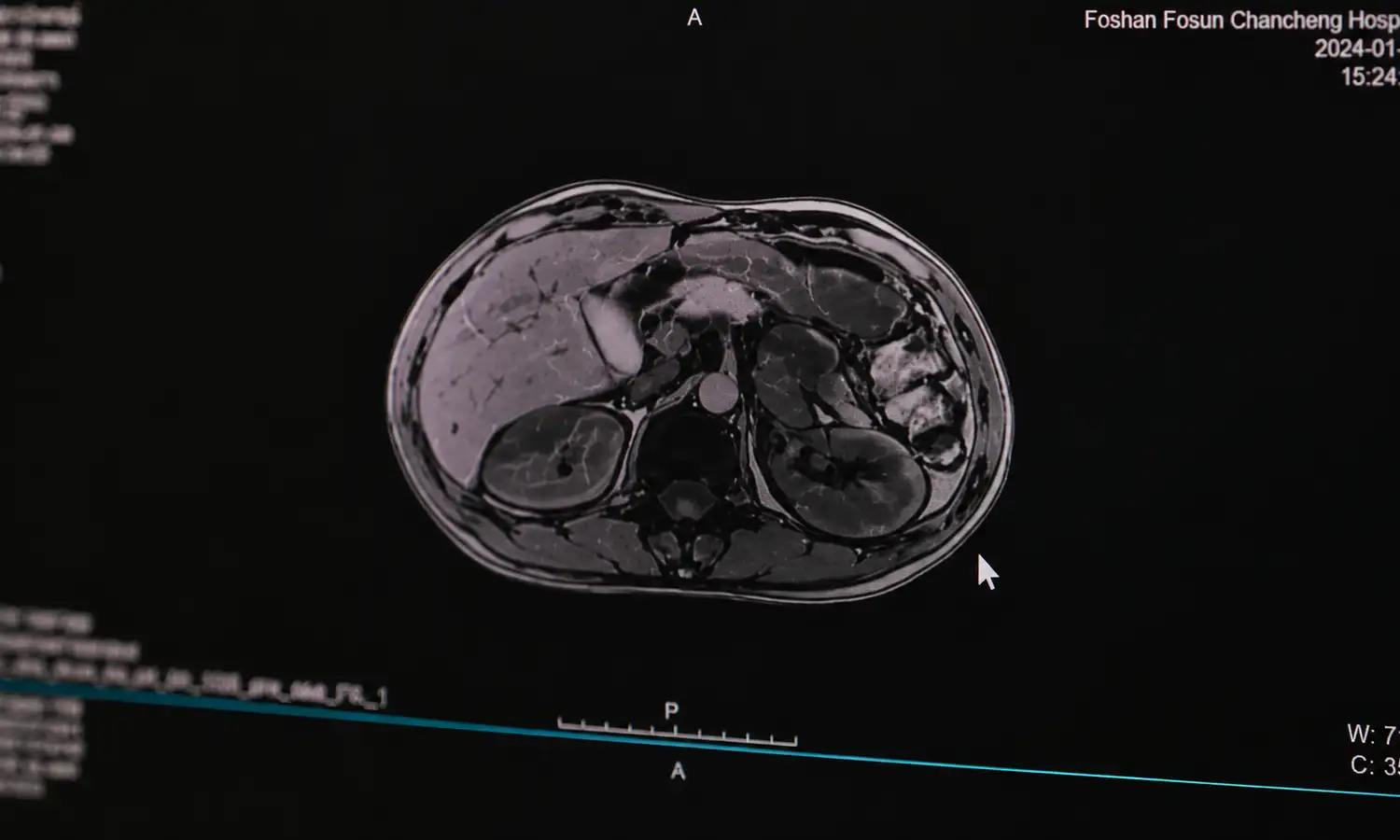
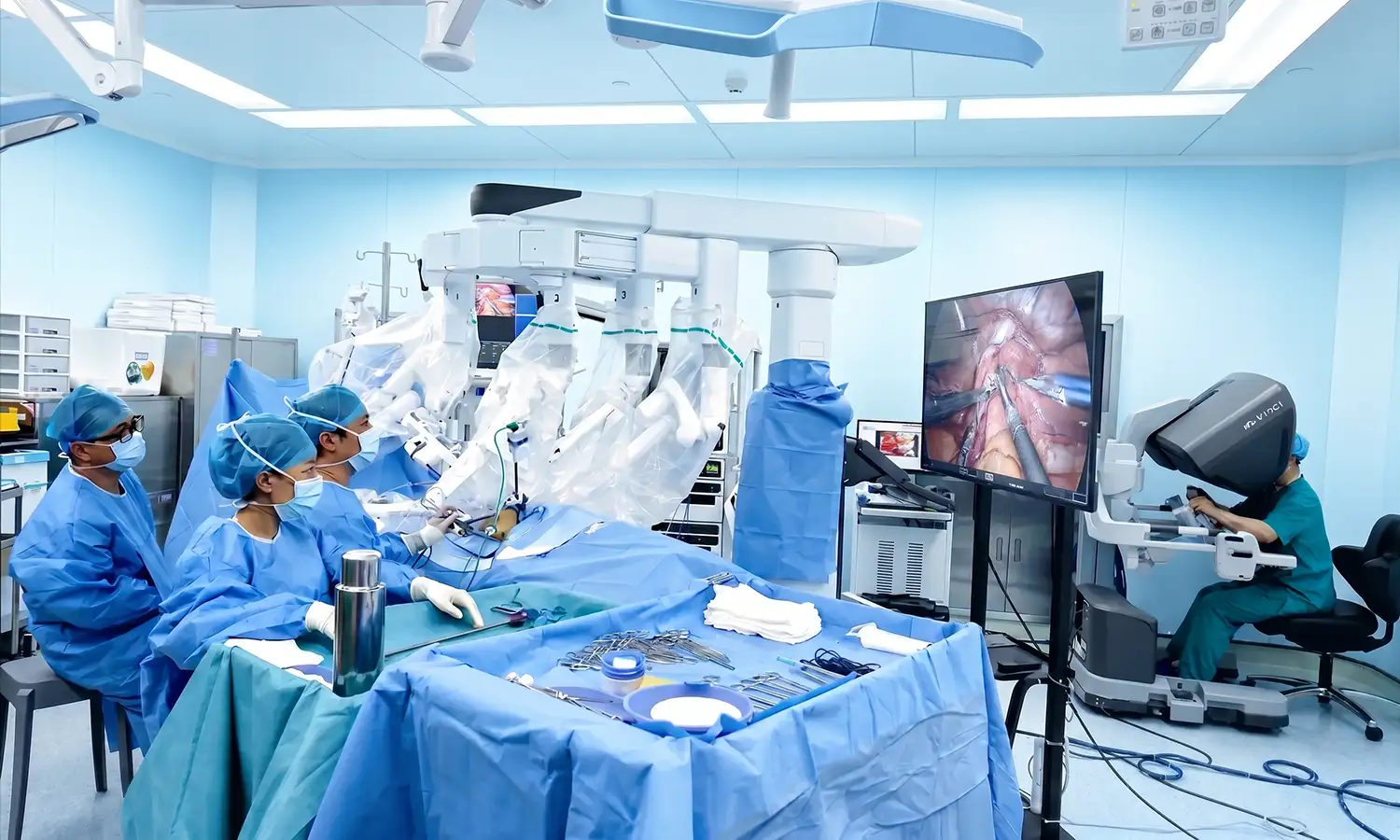
To minimize surgical risk and improve resection precision, the medical team employs the da Vinci surgical robot to assist in tumor removal.During the procedure, the robotic system provides a high-definition 3D view and flexible, precise robotic arm manipulation, helping to clearly identify tumor boundaries and vascular relationships while facilitating the delicate separation of the tumor from vital structures.
• Outcomes and follow-up
The surgery was successfully completed with complete tumor resection; no significant postoperative complications occurred, and the patient recovered well and was discharged smoothly.
FAQ
1. Does the da Vinci Xi surgical robot perform the surgery automatically?
No. The da Vinci Xi is a surgeon-controlled, robot-assisted surgical system. The lead surgeon controls the camera and surgical instruments in real-time from a console, and the system translates the surgeon's inputs into precise movements;it does not operate autonomously or make surgical decisions on its own.
2. Does the use of the da Vinci Xi system automatically classify a procedure as minimally invasive surgery?
Robot-assisted laparoscopic surgery with the da Vinci Xi is typically performed through several small incisions; however, the number and size of incisions vary depending on the surgical procedure, the extent of the lesion, and the patient's condition.Should safety considerations arise during the procedure, the surgeon may adjust the surgical approach or convert to open surgery.
3. Which patients may be suitable for Da Vinci Xi surgery?
This system assists in performing select surgeries across specialties including urology, gynecology, general surgery, and thoracic surgery.Suitability is determined not merely by the disease name but through a comprehensive assessment of lesion location, staging, prior surgical history, anesthesia risks, and the surgical team's experience.
4. Does robot-assisted surgery guarantee a faster recovery?
A minimally invasive approach may help reduce incision trauma for some patients; however, the speed of recovery is also influenced by factors such as the scope of the procedure, underlying medical conditions, complications, and postoperative rehabilitation.Robotic systems are surgical tools; they cannot guarantee identical outcomes for all patients.
5. How do I inquire about da Vinci Xi robotic surgery?
If you wish to determine your suitability for da Vinci Xi robotic surgery, please prepare pathology reports or definitive diagnostic data, recent imaging scans, records of past surgeries, and information regarding underlying medical conditions and current medications.Surgeons will collaborate with patients to determine the appropriate approach, considering surgical indications, anesthesia assessment, and alternative surgical options.