


Indications
1. Applicable conditions
• Patients scheduled for radiotherapy who have hypoxic lesions or are predicted to have low radiosensitivity, requiring radiosensitization
• Patients with limited response to chemotherapy or drug resistance who seek to enhance the local therapeutic effect of drugs
• Patients with local recurrence or multifocal metastases, where the lesion location is complex, making surgery or standard ablation difficult to perform.
• Postoperative patients with residual lesions and a high risk of recurrence, requiring adjuvant intervention to reduce the likelihood of local progression
• Elderly, physically frail patients with multiple underlying conditions who cannot tolerate high-intensity chemoradiotherapy or major surgery.
• Bone metastases accompanied by pain, or malignant pleural/peritoneal effusions; treatment aims for palliative relief of discomfort.
2. Common indications
• Recurrent or refractory head and neck tumors
• Thoracic tumors: e.g., lung cancer, esophageal cancer, mediastinal tumors, pleural tumors, and malignant pleural effusion.
• Abdominal tumors: e.g., liver cancer, pancreatic cancer, gastric cancer, colorectal cancer, retroperitoneal tumors, malignant ascites, etc.
• Pelvic tumors: e.g., bladder cancer, prostate cancer, rectal cancer, cervical cancer, ovarian cancer, etc.
• Others: e.g., malignant lymphoma, select bone and soft tissue tumors, malignant melanoma, palliative treatment for bone metastases, and adjuvant prevention of postoperative tumor recurrence and metastasis (in conjunction with other therapies).
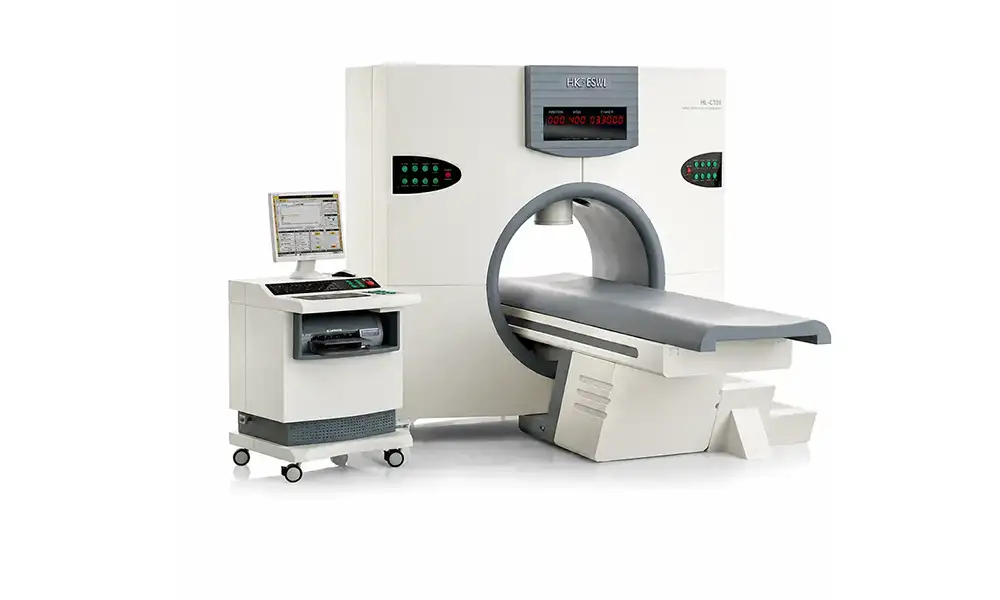
Core Strengths
1. Non-invasive, gentle, and "green" (eco-friendly/low-impact) intervention
The extracorporeal heating mode requires no surgery or puncture and leaves no external wounds; treatments can be repeated, the overall systemic stress is lower, and it is suitable for long-term adjuvant intervention.
2. Synergistic effects through multimodal approaches to expand therapeutic potential
• Combined radiotherapy: Ameliorating the hypoxic tumor microenvironment, inhibiting DNA damage repair in tumor cells, and enhancing the efficacy of radiation against hypoxic and S-phase tumor cells.
• Combined with chemotherapy: enhances drug penetration in the tumor region, alleviates multidrug resistance to some extent, and mitigates certain chemotherapy-related adverse effects;
• Combined ablation/interventional therapy: Eradicating residual tumor cells surrounding the lesion and consolidating the effects of local intervention.
• Combined surgery: Preoperative reduction of tumor burden and postoperative clearance of potential microscopic residual lesions.
3. Modulates the tumor microenvironment while simultaneously improving immune function
Thermal therapy promotes the release of tumor-associated antigens, enhances immune cell activity, and improves local microcirculation, thereby helping to alleviate physical discomfort and improve quality of life.
4. Wide range of applicable scenarios
Can be adapted to various treatment goals—such as preoperative neoadjuvant therapy, postoperative consolidation, concurrent chemoradiotherapy, and advanced-stage palliative care—with treatment cycles tailored to the lesion site and patient tolerance.
Technical features
1. MDT: Multidisciplinary upfront assessment
Joint consultations involving oncologists, radiation oncologists, radiologists, and interventional radiologists are held for every patient to determine the optimal timing for hyperthermia within the overall treatment plan. The sequence of treatments—including surgery, targeted therapy, immunotherapy, and ablation—is coordinated to ensure a comprehensive approach rather than using hyperthermia in isolation.
2. Precision temperature control equipment compatible with imaging systems
Equipped with a deep-tissue conformal hyperthermia system; heating zones are planned based on CT/MRI imaging data, while the temperatures of the lesion and surrounding tissues are monitored in real-time. Energy output is dynamically adjusted to minimize the risk of thermal impact on normal tissues.
3. Closed-loop quality control management for the entire process
Establish heating parameters and real-time vital sign monitoring mechanisms, with dedicated personnel supervising the entire treatment process;conduct periodic imaging comparisons during the course of treatment to track lesion changes, and dynamically adjust the frequency and duration of individual hyperthermia sessions.
4. One-stop comprehensive diagnosis and treatment coordination
The hyperthermia center is integrated with radiotherapy, minimally invasive interventional, and inpatient care systems, allowing for synchronized examinations, treatment planning, treatment sessions, and follow-ups;this reduces the need for patients to travel between departments and ensures the continuity of comprehensive care.
Technical definition
Deep-tissue tumor hyperthermia is a standardized physical adjuvant therapy for cancer. Utilizing electromagnetic heating equipment, it maintains the tumor region within the effective therapeutic temperature range of 42–45°C. By exploiting the biological characteristic that tumor cells are less heat-tolerant than normal tissues, it damages the lesion while simultaneously enhancing the effects of radiotherapy and chemotherapy and providing immunomodulatory benefits;it is considered the fifth major category of adjuvant cancer therapy, following surgery, radiotherapy, chemotherapy, and immunotherapy.
Working principle/mechanism
1. Direct thermal injury: Sustained heating at 42–45°C disrupts tumor cell membranes, denatures intracellular proteins, causes irreversible organelle damage, and inhibits tumor proliferation
2. Synergistic sensitization for radiotherapy and chemotherapy: Hyperthermia improves blood flow and oxygen levels within the tumor, enhances the efficacy of drugs and radiation at the lesion site, and inhibits tumor cell self-repair.
3. Regulation of the vascular microenvironment: alters tumor microvascular permeability, reduces nutrient supply to the lesion, and helps limit lesion progression
4. Activation of the body's immune system: Promotes the release of tumor antigens and enhances the ability of the body's immune cells to recognize and eliminate abnormal cells.
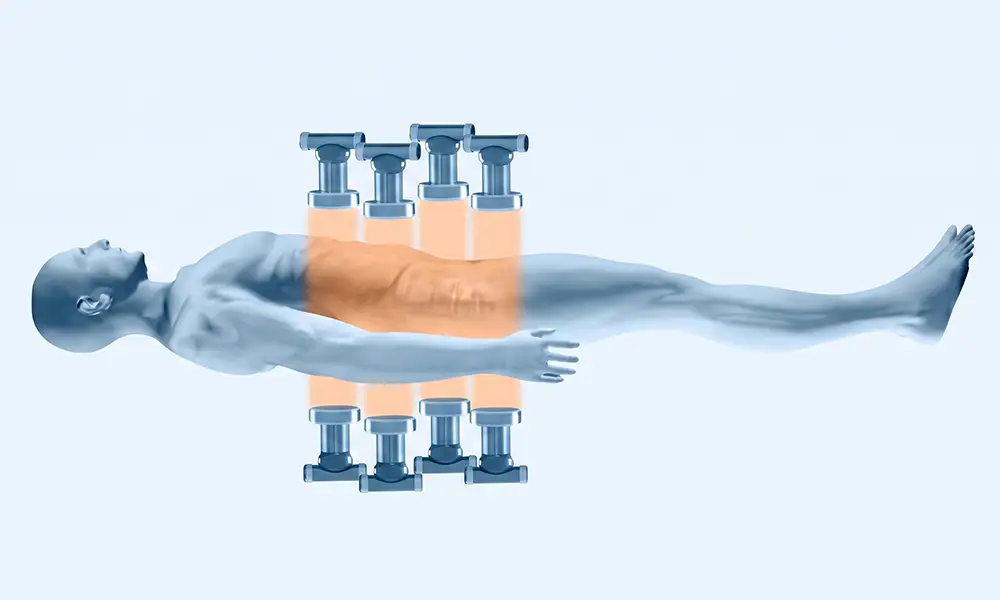
Treatment process
1. Comprehensive pre-operative assessment: thorough imaging, complete blood count (CBC), organ function, and coagulation tests; MDT consultation to rule out contraindications and confirm suitability for hyperthermia therapy
2. Personalized hyperthermia protocol design: determining session duration and total number of treatments based on lesion size, location, and the type of combination therapy;
3. Implementation of fractionated heating: The patient lies flat to receive external hyperthermia intervention (30–60 minutes per session); medical staff continuously monitor body temperature, heart rate, and skin sensation, adjusting equipment power in real time.
4. Synchronous combined intervention: Based on the MDT plan, modalities such as radiotherapy, chemotherapy, and minimally invasive ablation are combined synchronously or sequentially.
5. Regular follow-up and re-examination: Imaging and blood marker assessments are performed at key treatment milestones; subsequent comprehensive treatment plans are adjusted based on changes in the lesions.
Safety and Precautions
1. Limitations on indications:
• Intracranial tumors, leukemia, and sites such as the eyeball and testes are unsuitable for hyperthermia.
• Contraindications: Severe cardiopulmonary insufficiency, cachexia, severe water-electrolyte imbalance, high fever, bleeding tendency, presence of metallic foreign bodies, tuberculous lesions, etc.
• Lower abdominal hyperthermia is contraindicated for pregnant women and women during menstruation.
2. Pre-treatment preparation
Remove all metal items—such as jewelry, mobile phones, and belts—before the procedure and wear loose-fitting, pure cotton clothing to prevent localized heat accumulation and skin discomfort.
3. Treatment protocols
Maintain a fixed body position; if you experience persistent burning pain, palpitations, dizziness, or other discomfort, notify medical staff immediately. Do not move your body or touch the equipment's electrodes on your own.
4. Management of short-term post-treatment reactions
Some individuals may experience temporary fatigue, a mild low-grade fever, or a sensation of warmth and redness on the skin. These are usually transient symptoms that gradually subside with rest. Patients should keep the skin moisturized and protected, avoiding friction and excessive sun exposure.
5. Seek medical attention promptly if abnormalities occur
If symptoms such as persistent high fever, ruptured skin blisters, severe abdominal pain, difficulty breathing, or persistent bleeding occur, contact the attending physician immediately for assessment.
6. Unified planning of comprehensive treatment regimens
When combining hyperthermia with targeted therapy, immunotherapy, or radiotherapy, the treatment intervals and sequence are determined by the MDT (Multidisciplinary Team);patients must not unilaterally interrupt treatment sessions or follow-up appointments.
FAQs
1. What is tumor hyperthermia therapy?
Tumor hyperthermia employs equipment to heat local or regional tissues to the temperature required for treatment, aiming to damage tumor cells or enhance their sensitivity to radiotherapy and chemotherapy.It differs from radiofrequency or microwave ablation, which utilize high heat to directly coagulate the lesion.
2. Can hyperthermia kill tumors on its own?
Hyperthermia may have a direct effect on tumor cells, but clinically, it is primarily used as an adjunct to sensitize tumors to radiotherapy or chemotherapy.Generally, hyperthermia should not be viewed as a simple substitute for surgery, radiotherapy, chemotherapy, or systemic drug therapy.
3. Which patients may be suitable for hyperthermia therapy?
Suitable for selected cases of local recurrence, superficial or deep-seated tumors, and instances requiring combined chemoradiotherapy;feasibility depends on lesion location, prior treatments, physical condition, and equipment capabilities.
4. Can it be performed concurrently with radiotherapy or chemotherapy?
Synchronous or sequential combinations are possible; however, the specific intervals affect efficacy and adverse reactions, requiring joint planning by departments such as oncology and radiotherapy.Patients should not alter the established treatment sequence on their own.
5. What sensations might be experienced during the treatment?
Patients typically experience a sensation of local warmth; some may also feel sweating, a sensation of fullness or aching pain, or a burning sensation.The treatment team monitors temperature and physical reactions; patients should immediately inform medical staff if they experience significant pain or a burning sensation on the skin.
6. What are the potential risks of hyperthermia therapy?
Localized pain, redness, swelling, blisters, or burns may occur; different treatment modalities may carry additional risks.Patients with internal metal implants, cardiac electronic devices, sensory impairments, or severe underlying medical conditions should undergo a specialized assessment beforehand.


