


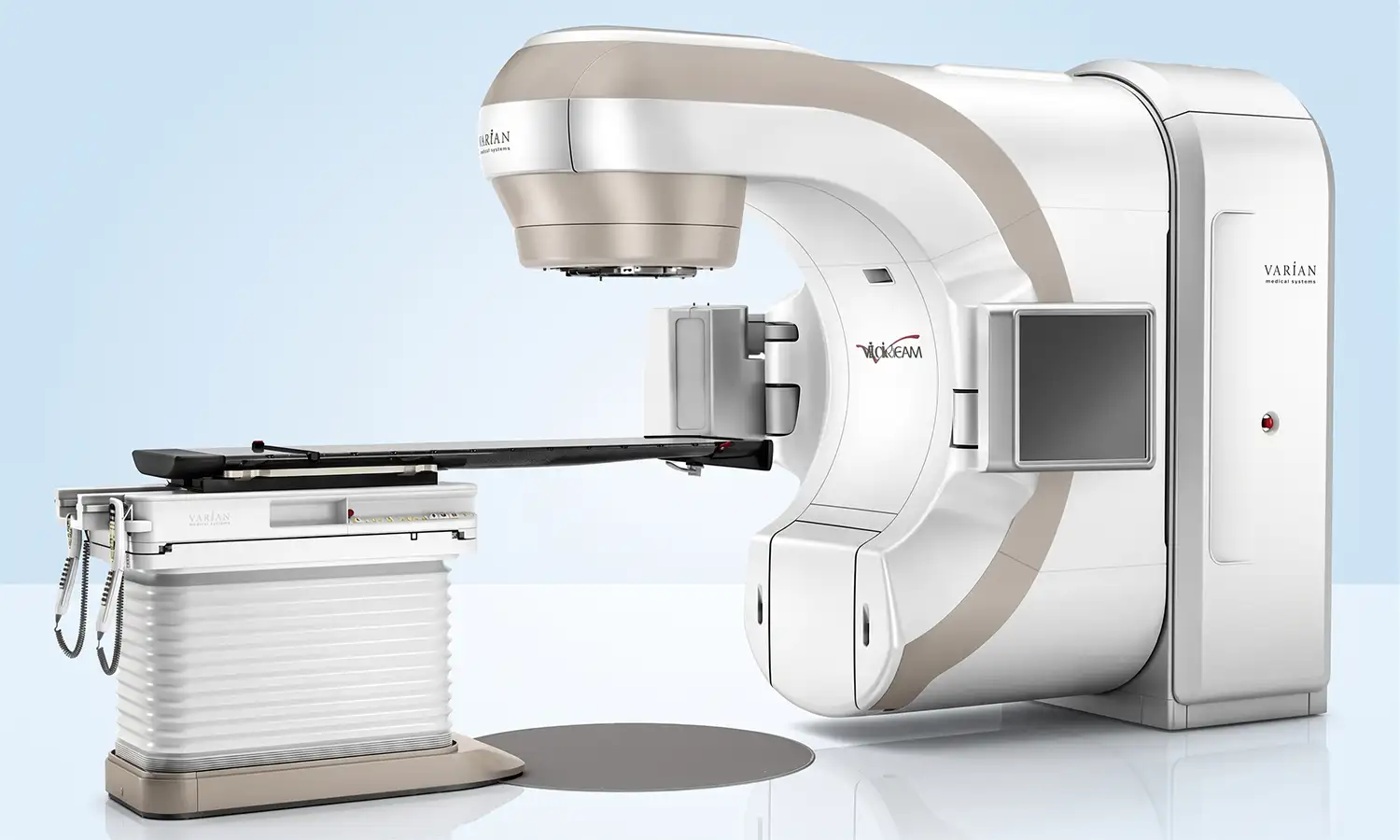
Developed by Varian Medical Systems (USA)—a global leader in radiotherapy equipment manufacturing—the VitalBeam linear accelerator is one of the world's most advanced, fully functional medical linear accelerators.It is not a conventional radiotherapy device but a fully integrated system based on an innovative, intelligent accelerator platform. It combines a linear accelerator, image-guidance systems, and respiratory management technology to deliver rapid, precise, and safe radiation therapy for tumors.
Core Technologies
What is the VitalBeam linear accelerator?
VitalBeam is a state-of-the-art device that utilizes high-energy X-rays and electron beams to treat tumors.By generating high-energy beams that precisely target the tumor site, it damages the DNA of cancer cells, thereby inhibiting or eliminating the tumor.Compared to conventional radiotherapy equipment, VitalBeam offers comprehensive upgrades in treatment speed, precision, and safety.
1. Rapid Volumetric Modulated Arc Therapy (RapidArc/VMAT)
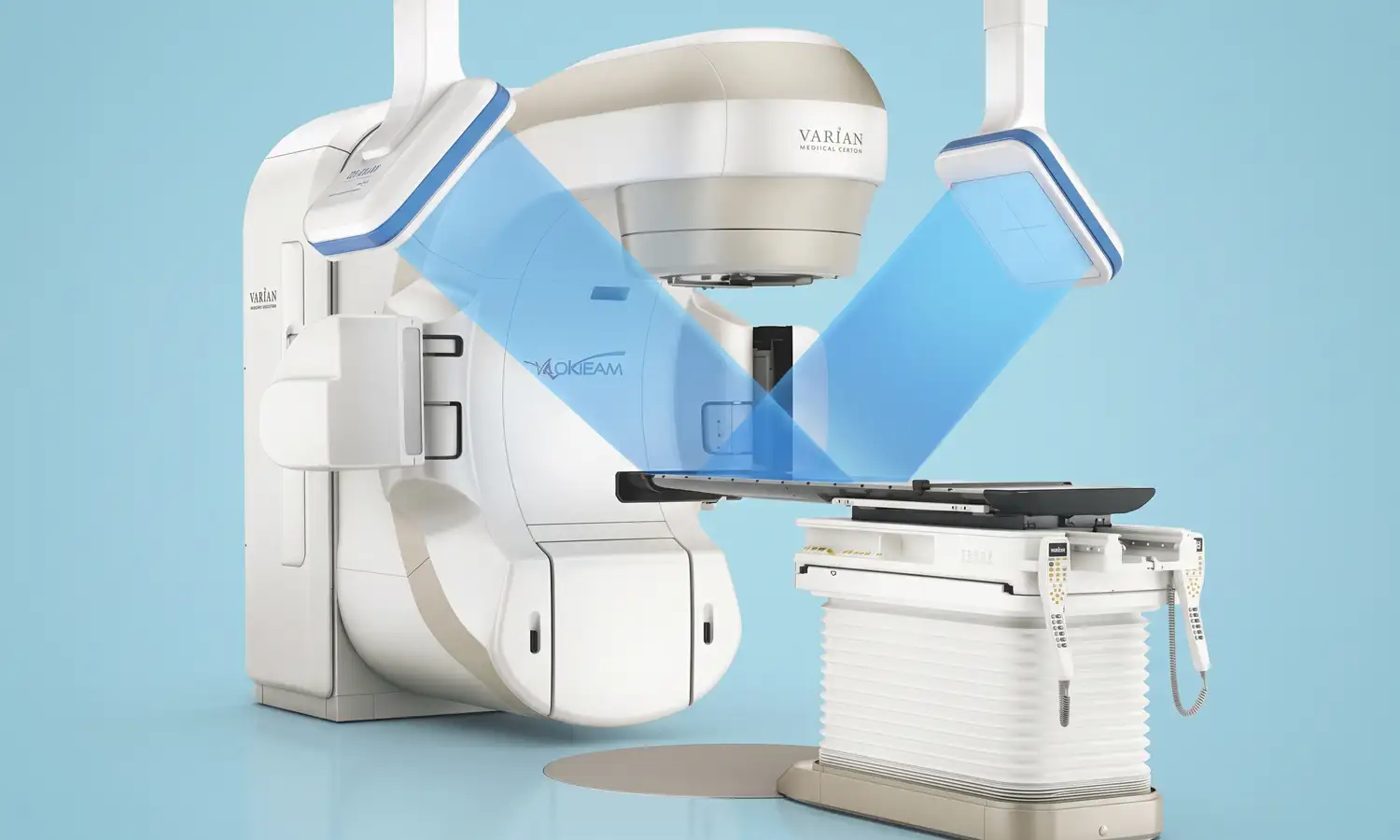
Vital Beam can deliver radiation doses to the entire tumor while rotating 360 degrees, resulting in a more uniform dose distribution within the target area and reducing the radiation dose to surrounding healthy tissues.Treatment time is reduced from 15–30 minutes to 2–6 minutes.
2. Intelligent precision management technology (including image guidance and respiratory gating)
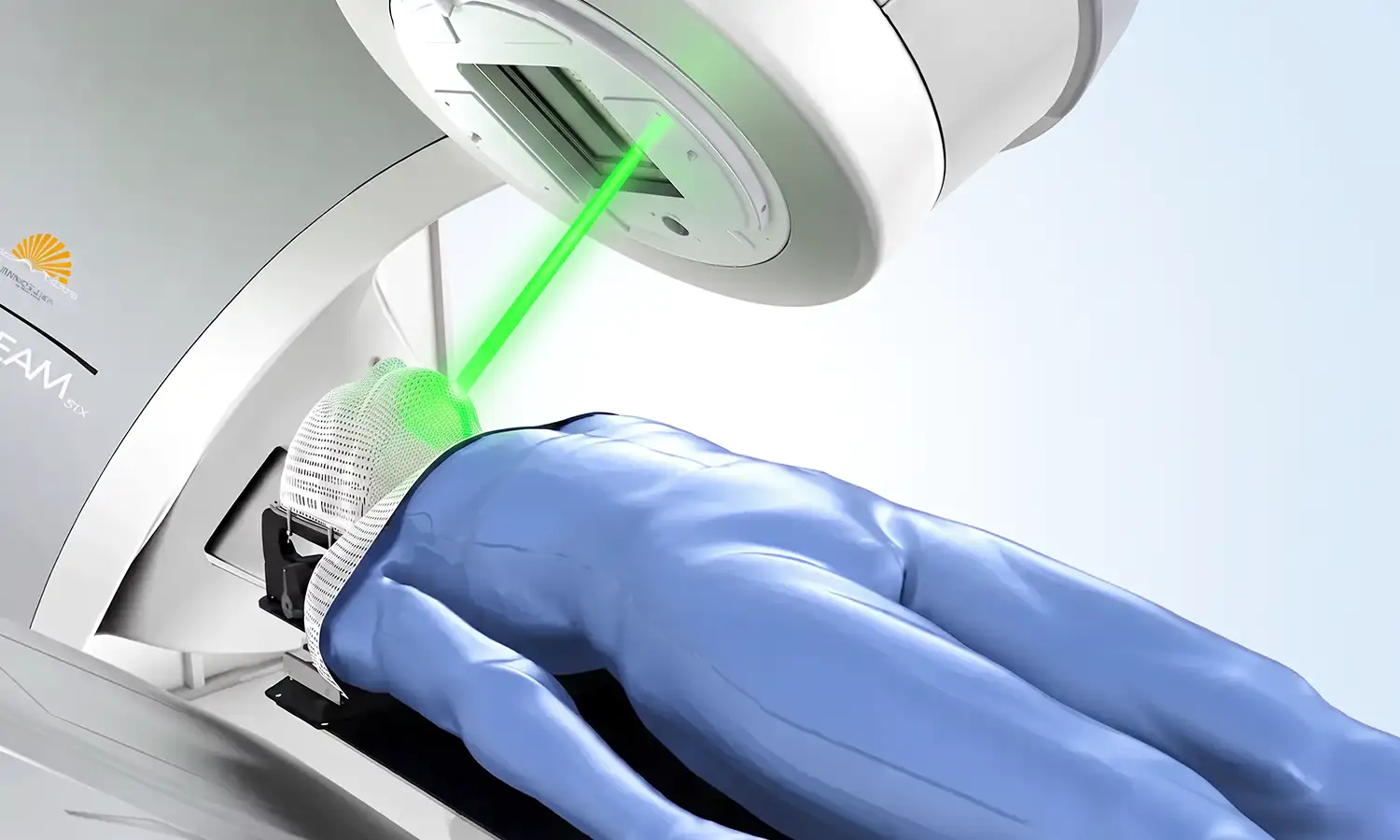
VitalBeam is equipped with a high-definition cone-beam CT (CBCT) image-guidance system that precisely locates tumors before treatment and verifies the target area in real-time during the procedure.It features a free-breathing gating system, enabling precise irradiation of tumors in moving organs—such as the lungs and liver—without requiring the patient to hold their breath.Additionally, it supports the FFF (Flattening Filter-Free) high-dose-rate mode, achieving a maximum dose rate of 2400 MU/min, which significantly reduces treatment time.
Scope of Indications
The VitalBeam system is clinically applicable to the treatment of tumors throughout the body, supporting conventional fractionation, hypofractionation, and stereotactic radiosurgery (SRS).It provides targeted treatment for both malignant tumors and certain benign lesions.
1. Treatable tumor sites
Site Common Indications
Neurological system: cerebral glioma, brain metastases, meningioma, pituitary adenoma, acoustic neuroma, chordoma, etc.
Head and Neck Nasopharyngeal carcinoma, laryngeal cancer, oral cancer, hypopharyngeal cancer, etc.
Thorax: Lung cancer, esophageal cancer, breast cancer, thymoma, mediastinal tumors, etc.
Abdomen Liver cancer, pancreatic cancer, gastric cancer, renal cancer, bile duct cancer, etc.
Pelvic region Cervical cancer, prostate cancer, rectal cancer, endometrial cancer, etc.
Others: Bone metastases, lymphoma, postoperative scars, keloids, etc.
2. Suitable patient population
• Tumor patients requiring radiotherapy
Radiotherapy is one of the three major modalities of cancer treatment.VitalBeam is suitable for cancer patients at all stages, ranging from early to advanced disease and from curative to palliative treatment.
• Patients with tumors located in areas affected by respiratory motion
For thoracic or abdominal tumors—such as those associated with lung, liver, or breast cancer—VitalBeam’s respiratory gating technology precisely targets the tumor while the patient breathes freely, effectively protecting surrounding healthy tissue.
• Patients requiring shorter treatment times
For patients with poor tolerance—such as the elderly, the frail, or those with painful bone metastases—VitalBeam’s high-efficiency treatment mode significantly shortens the duration of each session, thereby improving patient comfort and treatment adherence.
• Patients with tumors in complex or special locations
For tumors that are irregularly shaped or located near critical structures (such as the spinal cord, eyes, or heart), VitalBeam’s high-precision dose distribution and image-guided technology effectively eradicate the tumor while maximizing the protection of critical organs.
Core Strengths
Comparison Dimension Conventional Radiotherapy Equipment VitalBeam Linear Accelerator
Treatment accuracy Millimeter level (approx. 1 mm) Sub-millimeter level (isocenter accuracy of 0.5 mm)
Dose rate Approx. 600 MU/min Up to 2400 MU/min
Single treatment duration 10–20 minutes 2–6 minutes
Image Guidance Basic Imaging System Dual guidance: High-definition CBCT + Optical surface tracking
Respiratory management Requires patient to hold breath Spontaneous breathing gating; no breath-holding required
Irradiation technique Static IMRT VMAT/RapidArc + Stereotactic (SBRT/SRS)
Protection of normal tissue; covers a large irradiation area; rapid dose fall-off; precise protection of surrounding tissues.
Traditional radiotherapy equipment
While widely used in tumor treatment, traditional radiotherapy equipment has limitations regarding precise targeting, treatment efficiency, and the protection of healthy tissue.Precision is generally at the millimeter level, relying mainly on basic imaging systems for positioning, and some treatments require patients to hold their breath to minimize respiratory motion.These systems often utilize static Intensity-Modulated Radiotherapy (IMRT), resulting in relatively long treatment times; furthermore, due to limited dose control capabilities, surrounding healthy tissue may receive some radiation exposure.
VitalBeam Linear Accelerator
The VitalBeam linear accelerator represents the future of precision radiotherapy technology. It achieves highly accurate tumor localization and treatment through sub-millimeter positioning (approximately 0.5 mm), high-definition CBCT image guidance, and optical surface tracking.With a maximum dose rate of 2400 MU/min, the system effectively enhances treatment efficiency. It also supports advanced radiotherapy techniques such as VMAT/RapidArc, SBRT, and SRS; by dynamically adjusting beam angles and dose distribution, it ensures precise coverage of the tumor target area with high doses while minimizing radiation exposure to surrounding healthy tissue, resulting in safer, more efficient, and highly precise radiotherapy.
Clinical Application Case
1. Leiomyosarcoma
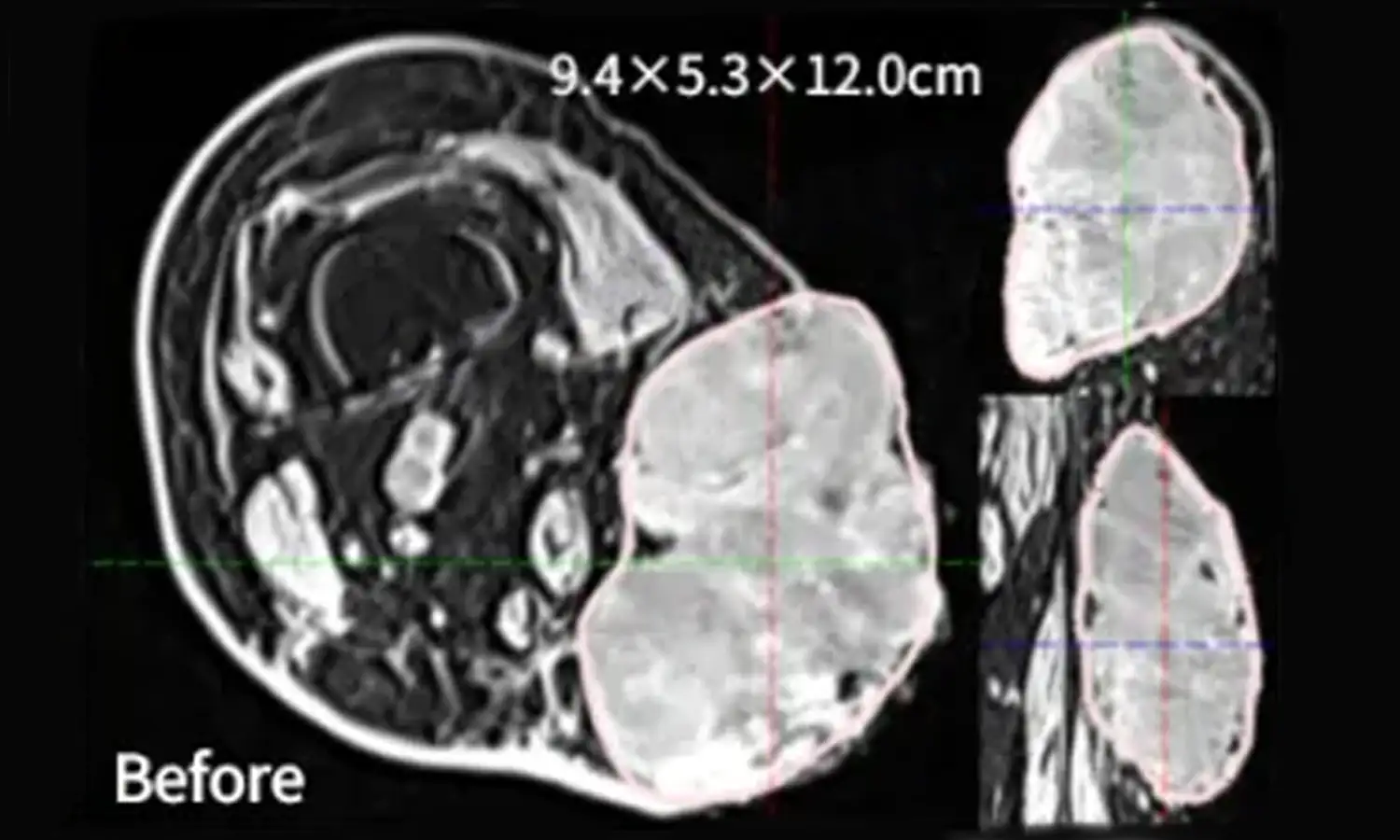
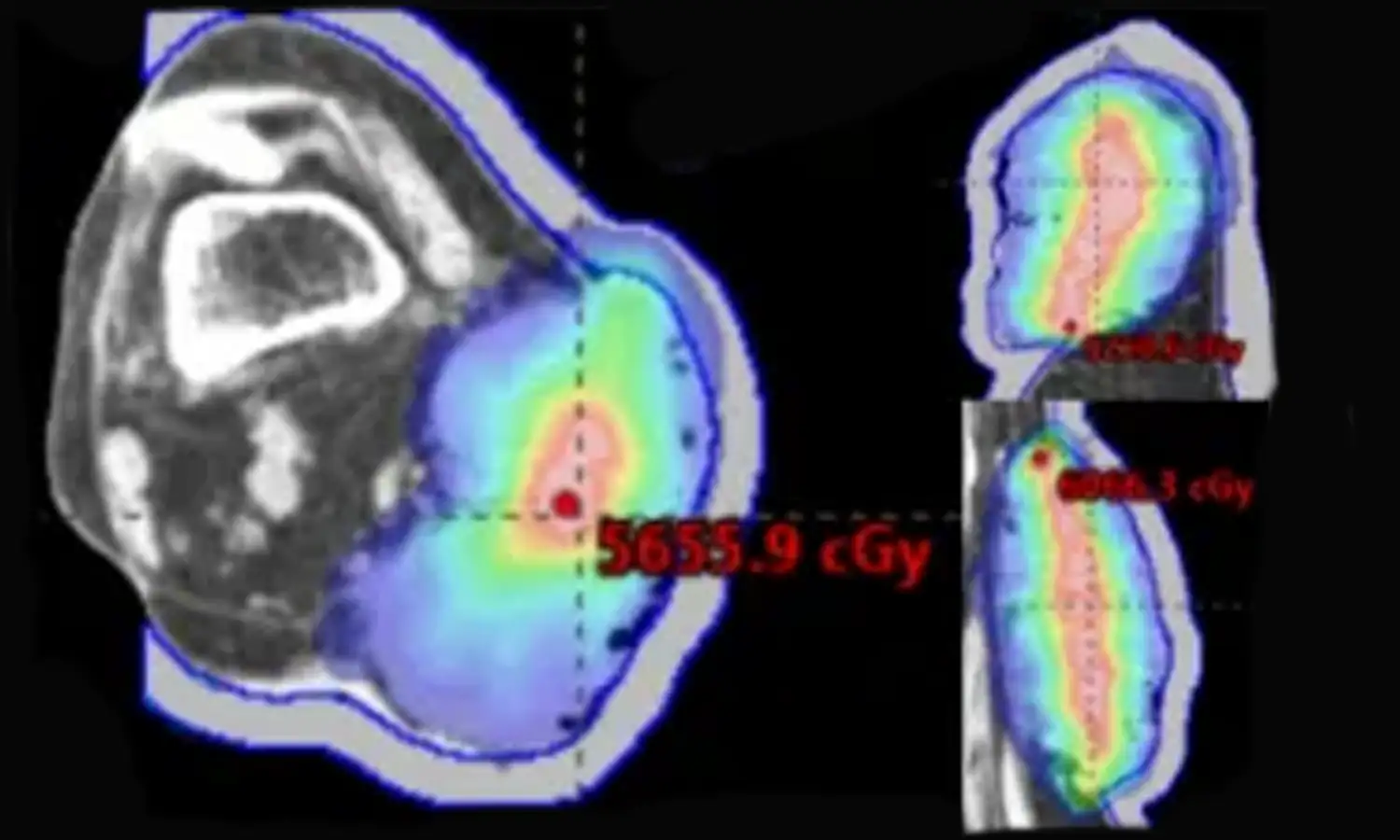
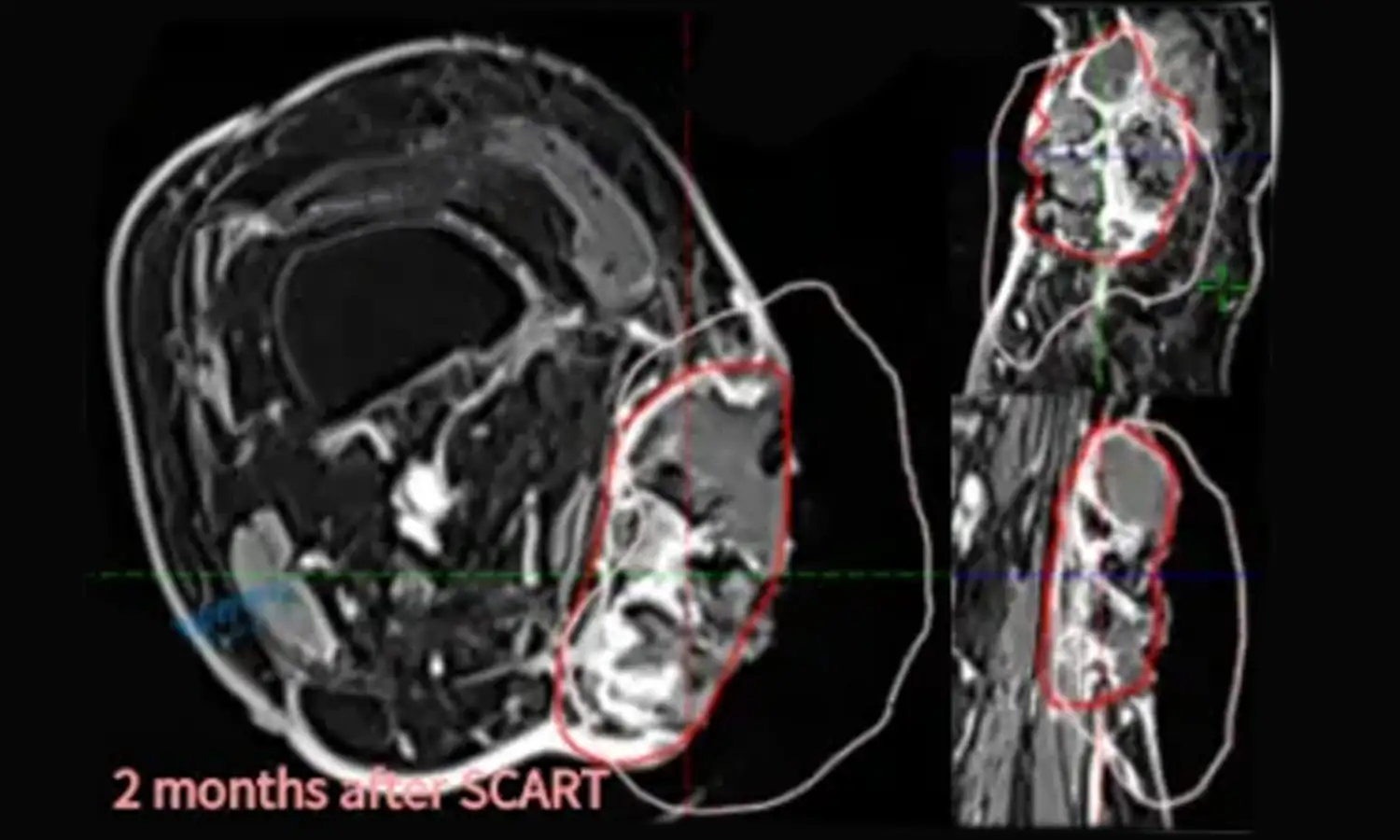
Recurrence of leiomyosarcoma in the medial left knee following surgery; the tumor gradually enlarged to approximately 12 cm, presenting with ulceration, bleeding, odor, and significant pain.Given the patient's advanced age and frail physical condition, which entail a high risk for repeat surgery, the treatment team opted for radiotherapy to control the local tumor and alleviate symptoms such as bleeding and pain.
• Treatment regimen
Employs a hybrid precision radiotherapy regimen combining SCART and SBRT; high-precision radiation therapy is delivered via a linear accelerator, concentrating radiation on the tumor area while minimizing exposure to normal tissue.
• Outcomes and follow-up
After completing one course of radiotherapy, bleeding from the tumor site ceased, pain was significantly alleviated, and the patient's sleep and overall quality of life improved.A follow-up examination two months post-treatment showed significant tumor shrinkage;a follow-up approximately one year later revealed the formation of granulation tissue over the previously ulcerated area, which was gradually healing.
FAQ
1. Does treatment with the VitalBeam linear accelerator require surgery or anesthesia?
VitalBeam utilizes external beam radiotherapy; no surgical incisions are required, and most patients do not need anesthesia.Patients maintain a specific position as required for localization while the device delivers radiation to the tumor target from outside the body. A physician will determine whether additional procedures are necessary based on the patient's specific condition.
2. Which tumors can VitalBeam treat?
Vital Beam is suitable for various tumors requiring external beam radiotherapy, including lesions in the head and neck, thorax, abdomen, and pelvis, as well as bone metastases.Suitability is determined through a comprehensive assessment considering pathological type, tumor stage, lesion location, prior treatments, and the patient's physical condition.
3. How does the equipment ensure accurate targeting during radiotherapy?
Before treatment, the doctor formulates a plan based on localization imaging and verifies the target area's position using methods such as patient positioning/immobilization and pre-treatment image verification.For lesions potentially affected by respiration or body position, the medical team employs appropriate motion management and image-guided protocols based on the specific situation.
4. How many treatment sessions are typically required for VitalBeam?How long does each session last?
The number of radiotherapy sessions and the total duration of treatment vary based on tumor type, stage, treatment goals, and dosage regimen;approaches may range from conventional fractionation to precision radiotherapy with fewer sessions. The time spent in the treatment room for a single session typically includes patient positioning, image verification, and beam delivery;specific arrangements are determined by the radiotherapy department's treatment plan.
5. How do I inquire about VitalBeam radiotherapy?
To determine your suitability for VitalBeam radiotherapy, you may submit medical records such as pathology reports, recent CT or MRI scans, records of past surgeries and chemo-radiotherapy, medication details, and relevant laboratory test results.Doctors will use this information to assess the indications for radiotherapy, the target area, the dosage plan, and normal tissue tolerance, and will advise you on the next steps for your consultation.