


1. Sun protection
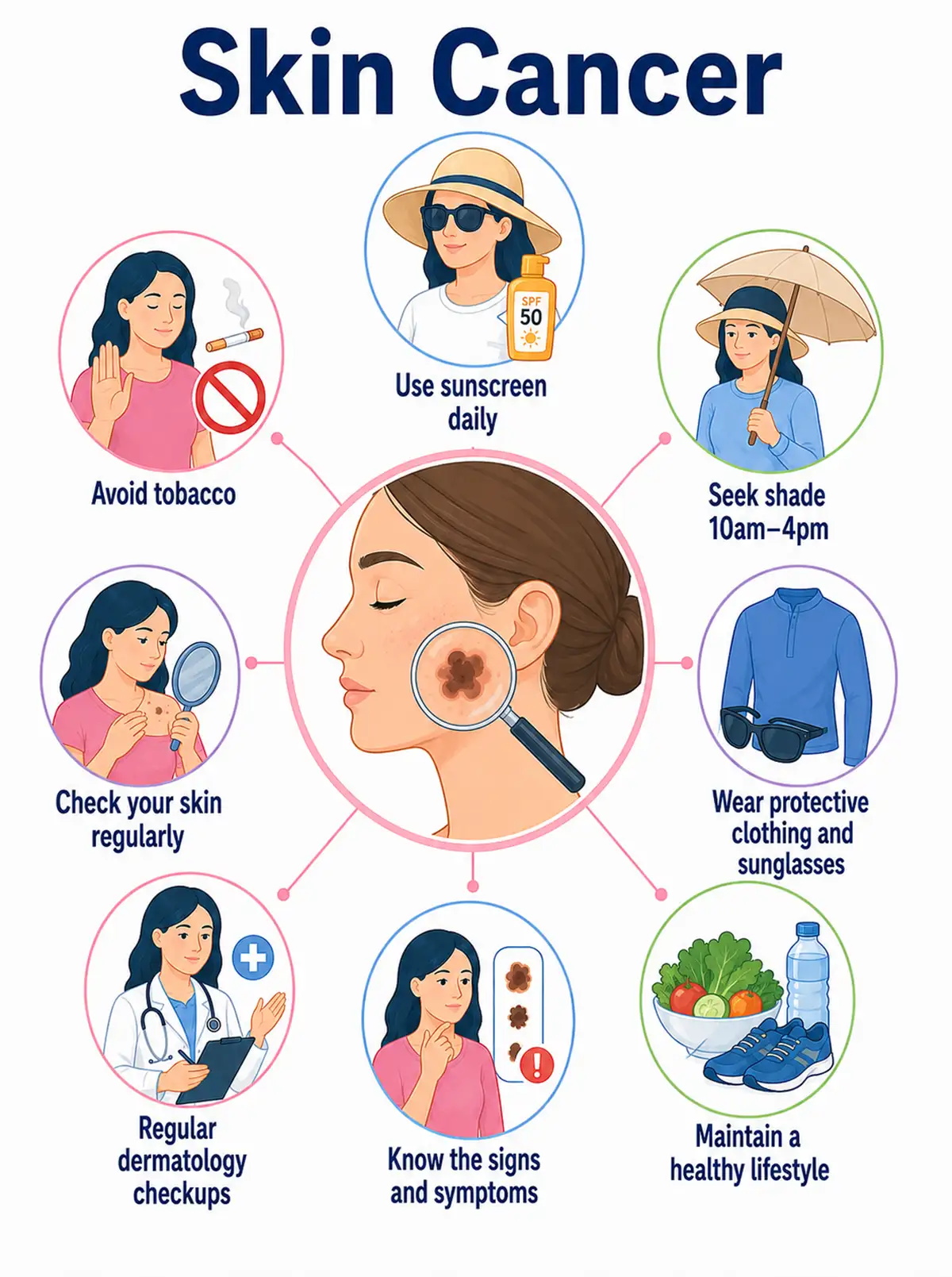
During prolonged outdoor activities, broad-spectrum sunscreen, long-sleeved clothing, and wide-brimmed hats should be used to reduce cumulative UV exposure and lower the risk of developing the disease.
2. Avoiding arsenic exposure
Avoid drinking water with excessive arsenic levels and avoid using arsenic-containing medications; arsenic exposure is a known causative factor for cutaneous squamous cell carcinoma.
3. Smoking cessation
Smoking increases the risk of cutaneous squamous cell carcinoma; carcinogens in tobacco can damage the DNA of skin cells, and quitting smoking helps reduce this risk.
4. Ulcer treatment
Burn scars and chronic ulcers that fail to heal over a long period require timely treatment; these lesions can undergo malignant transformation into Marjolin's ulcers and demand serious attention.
5. Immune monitoring
Individuals using immunosuppressants after organ transplantation should undergo regular skin examinations; an immunosuppressed state increases the risk of skin cancer and makes it more aggressive.
6. Skin self-examination
Perform regular self-examinations of the skin, particularly on exposed areas like the face, backs of the hands, and ears; seek medical attention promptly if new growths or changes in existing lesions are observed.
7. Regular skin examinations
Individuals with fair skin, multiple moles, or a history of long-term outdoor work should undergo annual dermatological examinations to facilitate the early detection and timely management of precancerous lesions, thereby preventing malignant transformation.
Conclusion
Skin cancer is caused by the combined effects of various factors, such as ultraviolet (UV) exposure and chemical carcinogens.Although it is often locally invasive, it can cause disfigurement and serious harm.Sun protection, avoidance of carcinogens, and regular skin examinations to ensure early detection and timely intervention are crucial.


