


1. Circumcision
Circumcision during infancy or early childhood can significantly reduce the risk of penile cancer; individuals with a long foreskin should frequently clean away smegma to minimize chronic irritation.
2. Maintaining hygiene
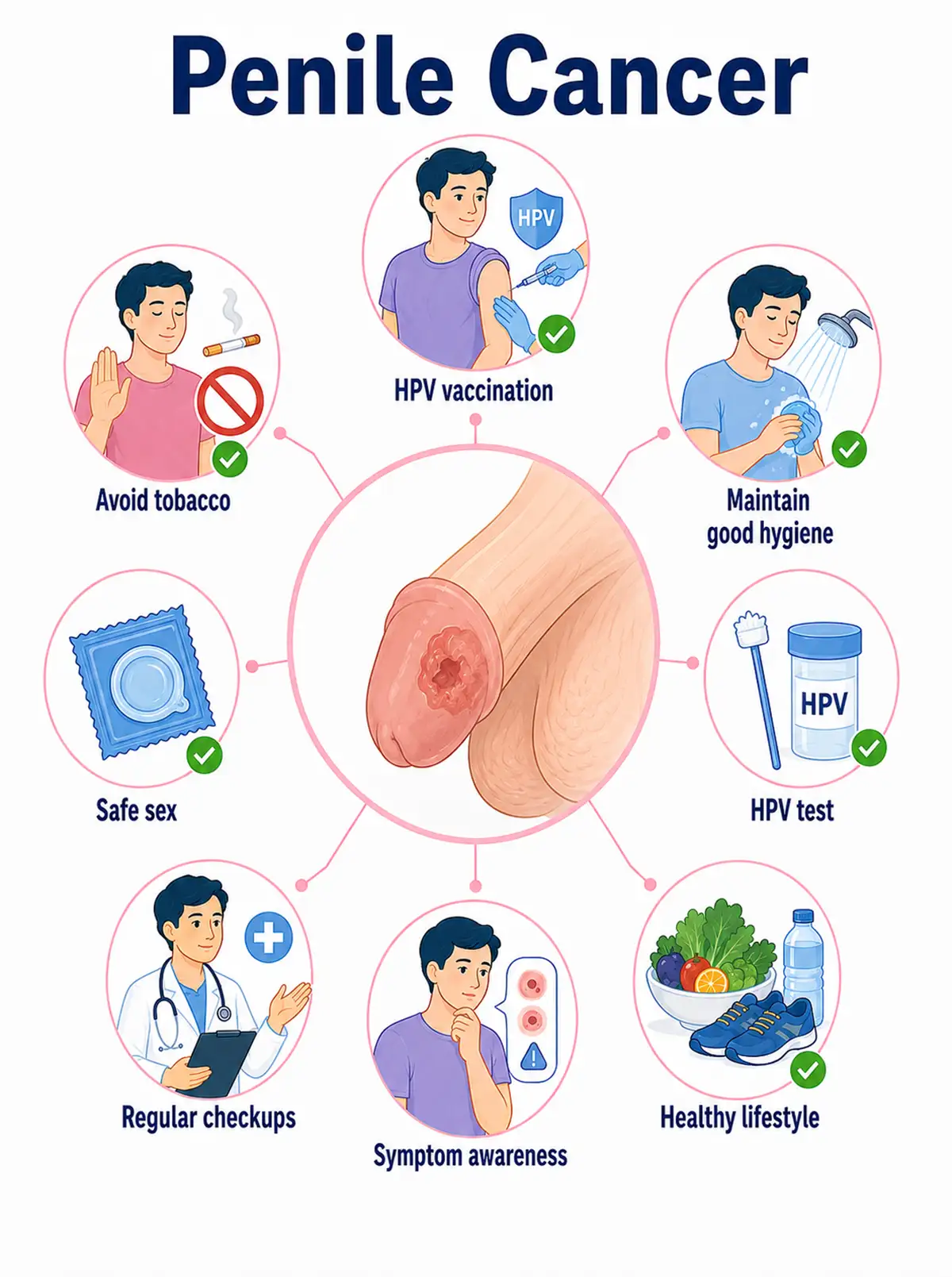
Clean the penis daily—paying particular attention to the inner surface of the foreskin—to keep the area clean and dry, thereby reducing the accumulation of smegma and chronic inflammatory irritation.
3. Smoking cessation
Smoking increases the risk of penile cancer; carcinogens in tobacco are excreted in urine and irritate the penile mucosa. Quitting smoking can reduce the risk of developing the disease.
4. Inflammation treatment
Actively treat chronic balanitis and posthitis; prolonged chronic inflammation is a significant cause of malignant transformation in the penile mucosa and requires serious attention.
5. HPV prevention
Limiting the number of sexual partners and using condoms correctly can reduce risk; HPV infection is associated with some cases of penile cancer, and safe sexual practices help lower this risk.
6. Penile self-examination
Regularly inspect the glans penis and foreskin for white patches, red patches, ulcers, or new growths; seek prompt consultation with a dermatologist or urologist if abnormalities are found.
7. Regular physical examinations
Men over the age of 40—particularly those with a long foreskin—should undergo annual physical examinations; doctors can detect precancerous lesions early and manage them promptly to prevent malignant transformation.
Conclusion
Penile cancer is caused by the combined effects of multiple factors, such as phimosis and chronic inflammation;although rare, it poses serious risks and can affect urination and sexual function.Maintaining hygiene, undergoing early circumcision, and quitting smoking are crucial for early detection and timely intervention.


