


Global prevalence: Vulvar cancer is a rare malignancy of the female reproductive system worldwide; it is relatively more common in elderly women, and prognosis is closely linked to the stage of the disease.
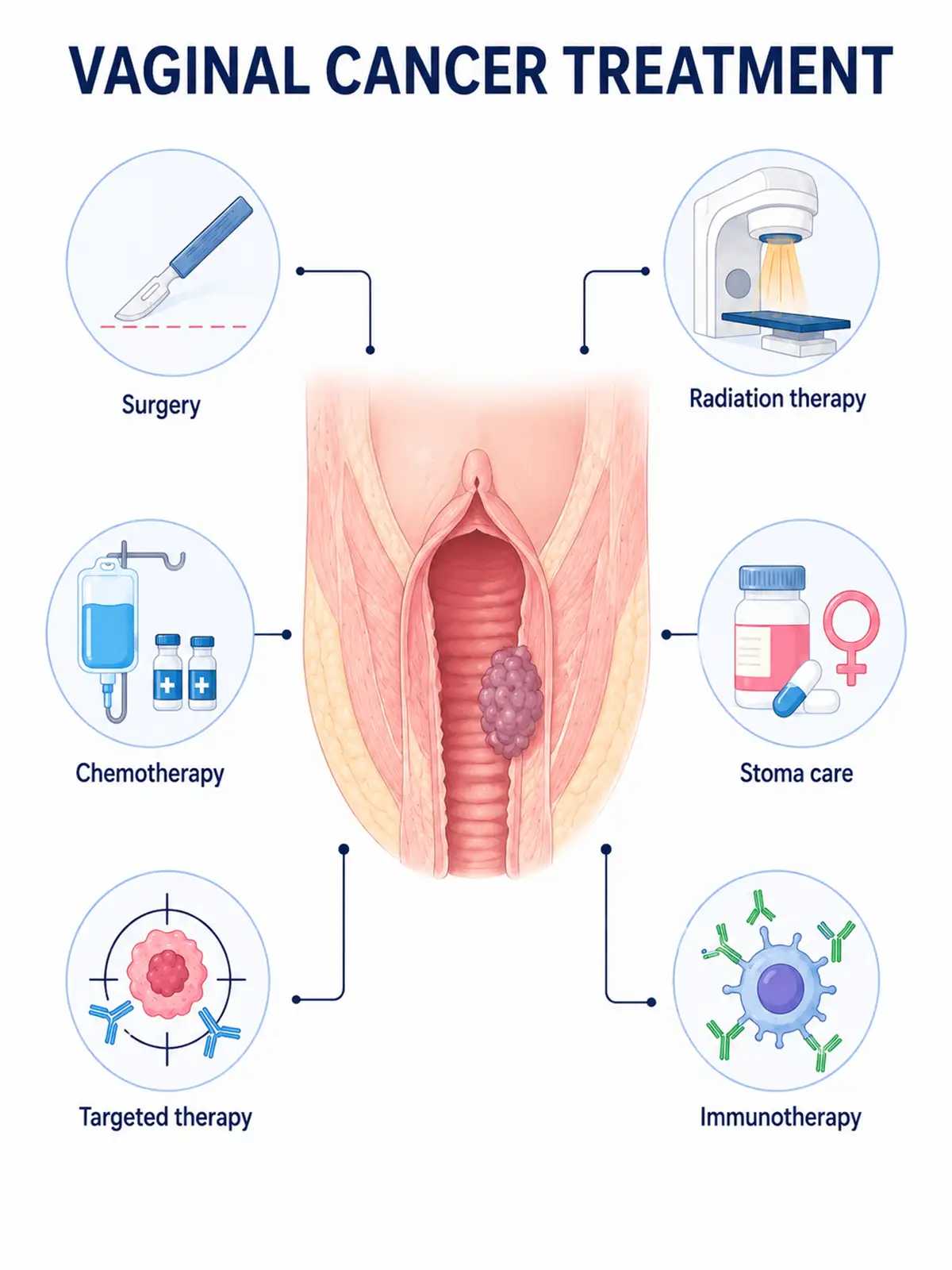
Staging-based treatment for vulvar cancer
Early treatment (involving a localized, smaller tumor with a favorable response)
consisting of surgical resection combined with adjuvant therapy—can effectively control tumor progression while preserving vulvar function.
Intermediate-stage treatment (addressing local spread, inhibiting growth, and delaying progression)
employs a comprehensive approach—such as surgery combined with chemoradiotherapy—to control further tumor spread and preserve vulvar function and appearance to the greatest extent possible.
Treatment for advanced-stage disease (involving distant metastasis, symptom relief, and survival prolongation)
primarily relies on systemic therapies such as radiotherapy and chemotherapy to alleviate clinical symptoms and extend patient survival as much as possible.
Consequences of failing to receive timely treatment in the early stage: If standardized treatment is not administered promptly in the early stage, the tumor will continue to grow and spread/metastasize to surrounding tissues and distant lymph nodes, resulting in a missed opportunity for optimal intervention.
Why choose Fosun Health for vulvar cancer treatment
Diagnosis and treatment of vulvar cancer at Fosun Health are managed by a specialized gynecologic oncology center; the team has accumulated extensive experience in wide local excision, sentinel lymph node biopsy, and comprehensive treatment for advanced-stage disease.Leveraging a global medical network, patients have access to cutting-edge international treatment protocols, including wide local excision, sentinel lymph node biopsy, intensity-modulated radiotherapy (IMRT), concurrent chemoradiotherapy, targeted therapy, and immunotherapy.
For complex cases such as advanced or recurrent vulvar cancer, an MDT—comprising experts from gynecologic oncology, radiation oncology, medical oncology, and plastic/reconstructive surgery—formulates the optimal treatment plan; a cross-border consultation mechanism provides patients with second opinions from top-tier centers abroad.
Foshan Fosun Chancheng Hospital is equipped with the CyberKnife M6 precision radiotherapy system and the VitalBeam linear accelerator, facilitating precision radiotherapy and stereotactic radiosurgery for recurrent lesions.The hospital's gynecologic oncology team possesses extensive experience in sentinel lymph node biopsy and minimally invasive treatment for vulvar cancer; they prioritize preserving the patient's physical appearance and function while providing personalized, comprehensive care for patients at various stages of the disease.
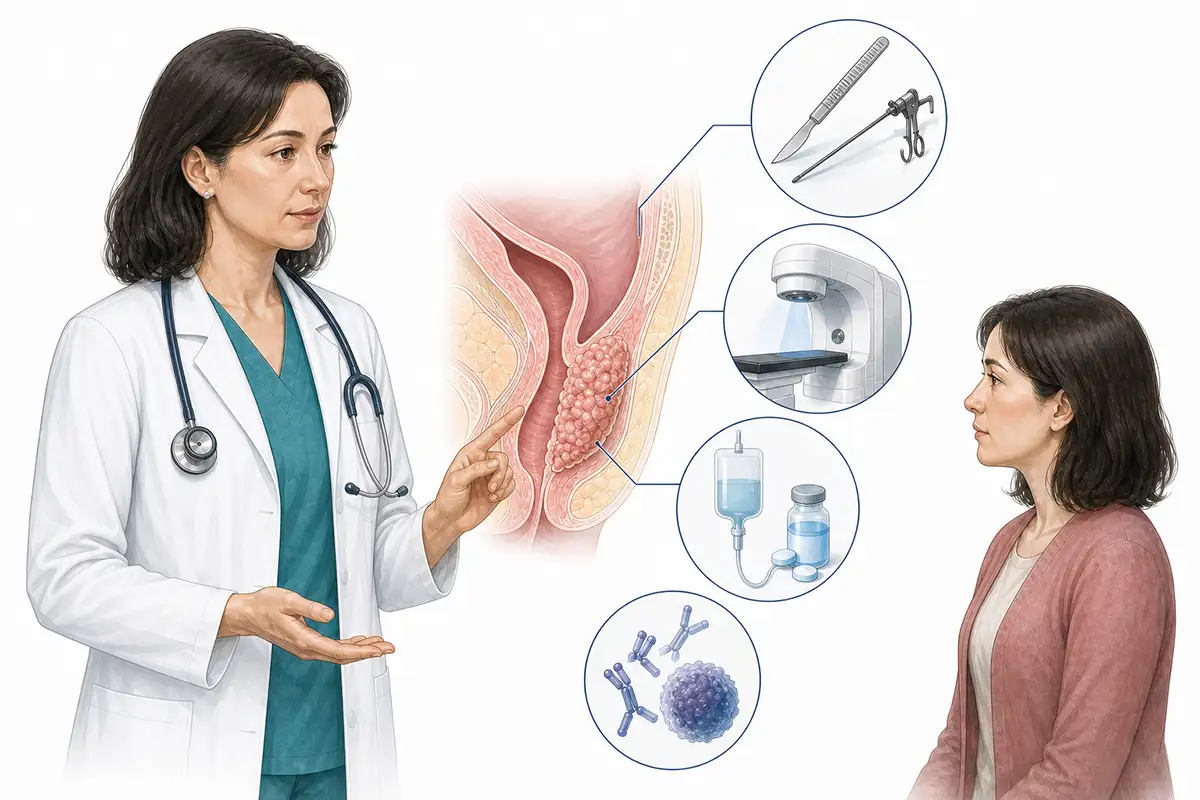
Treatment Methods for Vulvar Cancer
1.Minimally invasive and open surgery for vulvar cancer
For patients with vulvar cancer eligible for surgery, treatment options—selected based on tumor location and extent of invasion—may include wide local excision, radical vulvectomy, and inguinal lymph node assessment or dissection.Sentinel lymph node biopsy may be utilized for some early-stage patients to reduce unnecessary lymph node dissection.
Treatment advantages:
① Tumor resection: Complete resection of primary tumors meeting surgical indications.
② Lymph node assessment: Sentinel lymph node biopsy or lymph node management performed based on tumor stage and risk.
③ Preservation of function: Preserve normal tissue and local function to the greatest extent possible while adhering to the principles of tumor resection.
④ Personalized reconstruction: For patients requiring extensive resection, local tissue reconstruction may be performed depending on the specific situation.
2.VitalBeam linear accelerator precision radiotherapy
External beam radiotherapy is a crucial component of the comprehensive treatment for locally advanced vulvar cancer.Based on the VitalBeam linear accelerator platform, techniques such as IMRT, VMAT, and IGRT can be employed to formulate individualized treatment plans targeting the primary tumor and lymphatic drainage regions.
Treatment advantages:
① Precision irradiation: Design the radiation dose targeting the primary lesion and relevant lymphatic drainage regions.
② Protection of normal tissue: Minimizes radiation exposure to the bladder, rectum, and surrounding normal tissues.
③ Combined radiochemotherapy: Can be used in a comprehensive treatment approach combined with concurrent chemotherapy for some patients with locally advanced disease.
④ Personalized planning: Adjust the radiation field and dosage based on the extent of the tumor and the patient's anatomical structure.
3. Brachytherapy for vulvar cancer
For selected patients with localized lesions or those requiring local dose escalation, brachytherapy—involving the placement of a radiation source near the tumor for local irradiation—may be employed based on lesion location and prior treatment history.
Treatment advantages:
① Localized dose concentration: Increases the radiation dose delivered to the target lesion area.
② Precision therapy: The applicator and treatment scope are determined based on the lesion's location.
③ Protects surrounding tissues: Minimizes radiation exposure to distant normal tissues as much as possible.
④ Comprehensive application: Can be combined with external beam radiotherapy or other treatment modalities.
4.Chemotherapy
Systemic elimination of potential cancer cells using anti-cancer drugs; often combined with radiotherapy to enhance efficacy and control distant metastasis; achieves effective therapeutic results.
5.Immunotherapy
Activates the body's immune system to recognize and attack cancer cells, providing a new, effective treatment option for patients with advanced vulvar cancer to improve therapeutic outcomes.
6.Targeted therapy
Delivers precision strikes against specific molecular targets; offers good efficacy with relatively mild side effects; suitable for select patients with advanced-stage disease.Helps improve therapeutic outcomes.
7.Sentinel lymph node biopsy
Uses tracer technology to locate and excise sentinel lymph nodes, assessing for metastasis and guiding subsequent treatment plans;helps improve overall therapeutic outcomes.
8.Comprehensive therapy
Formulate an individualized comprehensive treatment plan based on the patient's specific condition, combining modalities such as surgery, radiotherapy, and chemotherapy to enhance therapeutic efficacy.
9.Supportive care
Approaches such as nutritional support, psychological counseling, and symptom management can comprehensively improve the patient's physical condition and quality of life, as well as consolidate therapeutic efficacy.
Post-treatment care
Keep the vulvar area clean and dry; wear loose-fitting cotton underwear; attend scheduled follow-up appointments; and actively cooperate with subsequent treatments.
Post-treatment examinations
Periodic gynecological examinations, tumor marker testing, and follow-up imaging are required after treatment to timely detect changes in the disease status.
Conclusion
Vulvar cancer poses a serious threat; the key to treatment lies in early detection, diagnosis, and intervention. Selecting an appropriate treatment plan and adhering to follow-up care helps improve quality of life.


