


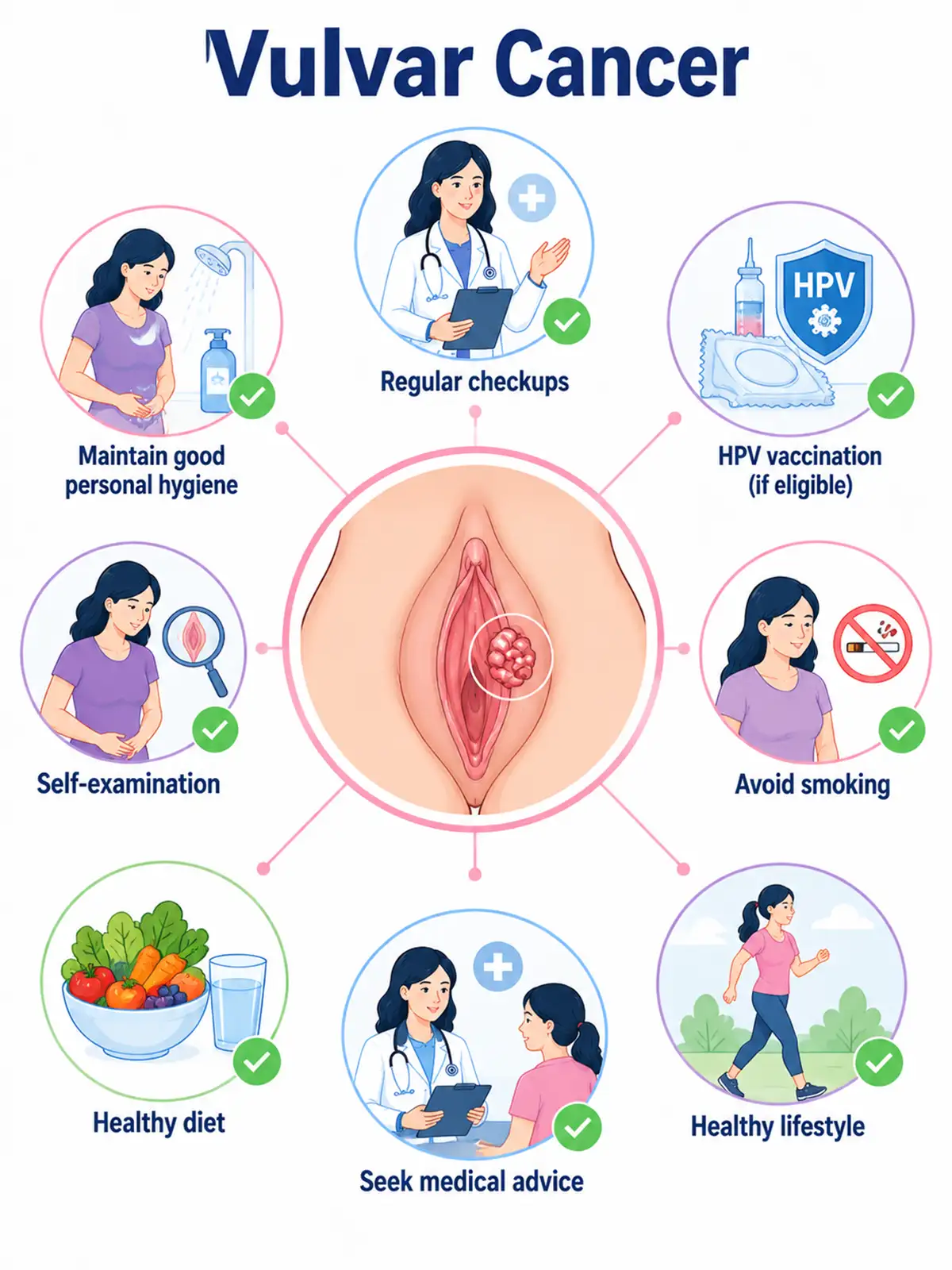
1. HPV vaccine
HPV vaccination for women of the appropriate age can prevent HPV-related vulvar cancer; HPV infection is a significant causative factor for some cases of vulvar squamous cell carcinoma.
2. Treating leukoplakia
Vulvar lichen sclerosus and leukoplakia require timely, standardized treatment and regular follow-up; long-standing precancerous lesions can progress to invasive carcinoma.
3. Maintaining hygiene
Clean the external genitalia daily to keep the area dry and hygienic; wear breathable cotton underwear. Avoiding local moisture and chronic inflammatory irritation helps reduce the risk of malignant transformation.
4. Avoiding scratching
For vulvar itching, the underlying cause should be identified and treated appropriately;avoid repeated scratching, which can cause mucosal damage and chronic inflammation, thereby increasing the risk of malignant transformation.
5. Regular physical examinations
Postmenopausal women should undergo annual gynecological examinations, allowing physicians to monitor changes in the skin and mucosa of the vulva, detect suspicious lesions early, and initiate timely treatment.
6. Smoking cessation
Smoking increases the risk of vulvar cancer and impairs immunity; quitting smoking helps improve local blood circulation and immune function, thereby reducing the risk of developing the disease.
7. Safe sexual practices
Limiting the number of sexual partners and using condoms correctly helps prevent vulvar cancer by reducing the risk of HPV and other sexually transmitted infections.
Conclusion
Vulvar cancer results from the combined effects of various factors, such as HPV infection and chronic skin diseases; although rare, it poses a serious health risk.HPV vaccination, treatment of vulvar leukoplakia, and regular gynecological check-ups are essential for early detection and timely intervention.


