


1. HPV vaccine
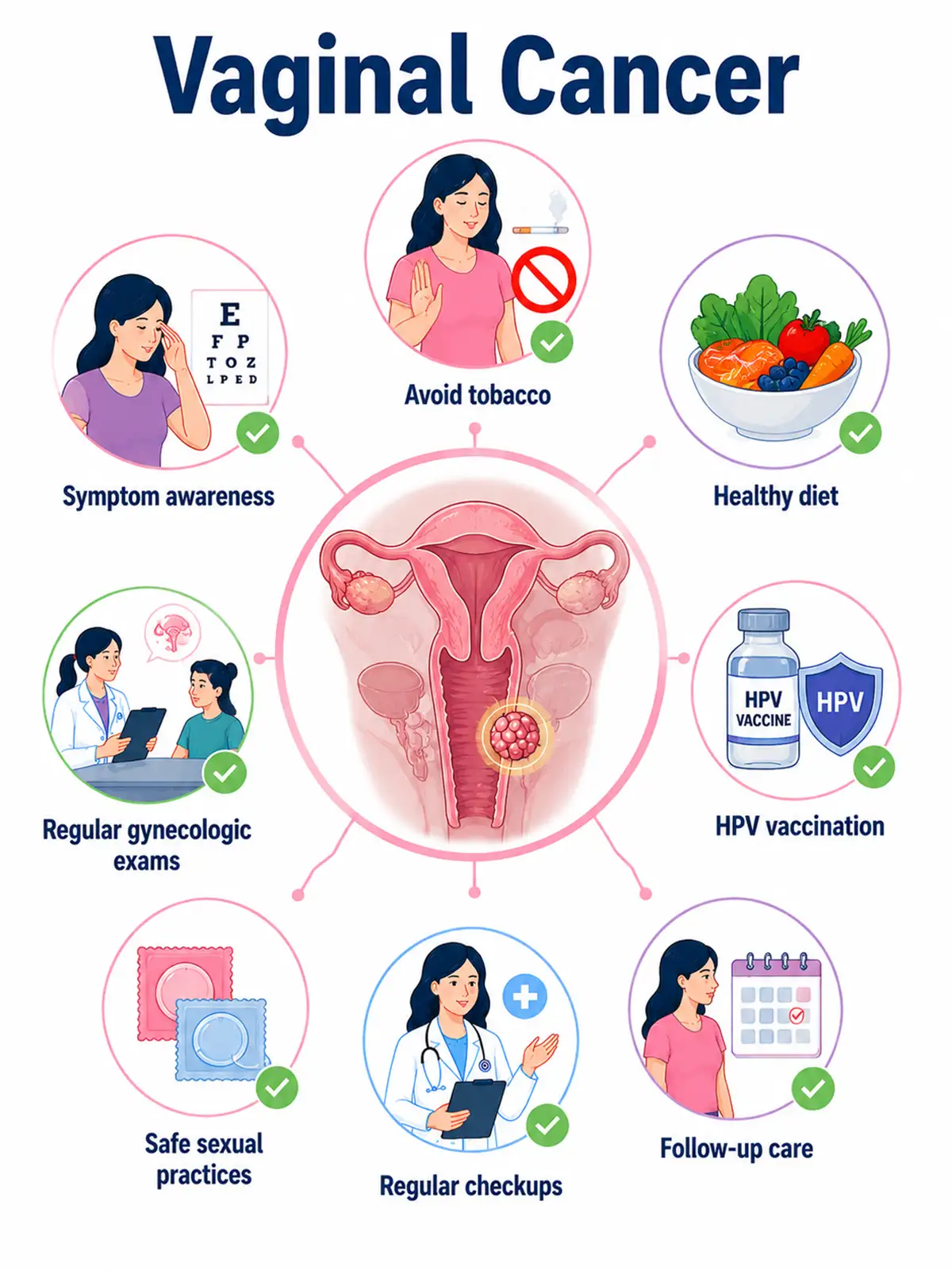
HPV vaccination for women of the appropriate age prevents not only cervical cancer but also HPV-related vaginal cancer; early completion of the vaccination series is recommended.
2. Periodic screening
Individuals with a history of cervical precancerous lesions or hysterectomy should undergo regular vaginal cytology screening to facilitate the early detection of vaginal intraepithelial neoplasia.
3. Safe sexual practices
Limiting the number of sexual partners and using condoms correctly—thereby reducing the risk of HPV infection—is a key measure in preventing vaginal cancer.
4. Smoking cessation
Smoking increases the risk of vaginal cancer and lowers local immunity; quitting smoking helps clear HPV infections and reduces the risk of malignant changes in the vaginal mucosa.
5. Maintaining hygiene
Keep the vulvar area clean and dry; avoid the long-term use of irritating washes that disrupt the balance of vaginal flora, thereby reducing irritation from chronic inflammation.
6. Treatment of inflammation
Actively treat chronic vaginitis and vaginal intraepithelial neoplasia; failure to promptly treat high-grade lesions can lead to progression into invasive vaginal cancer.
7. Genetic counseling
Women whose mothers took diethylstilbestrol (DES) during pregnancy should undergo regular vaginal examinations; there is a clear causal link between DES exposure and vaginal clear-cell adenocarcinoma.
Conclusion
Vaginal cancer results from the interplay of multiple factors, including HPV infection and vaginal intraepithelial neoplasia; although rare, it poses a serious health risk.HPV vaccination, regular screening, and maintaining genital hygiene are crucial for early detection and timely intervention.


