


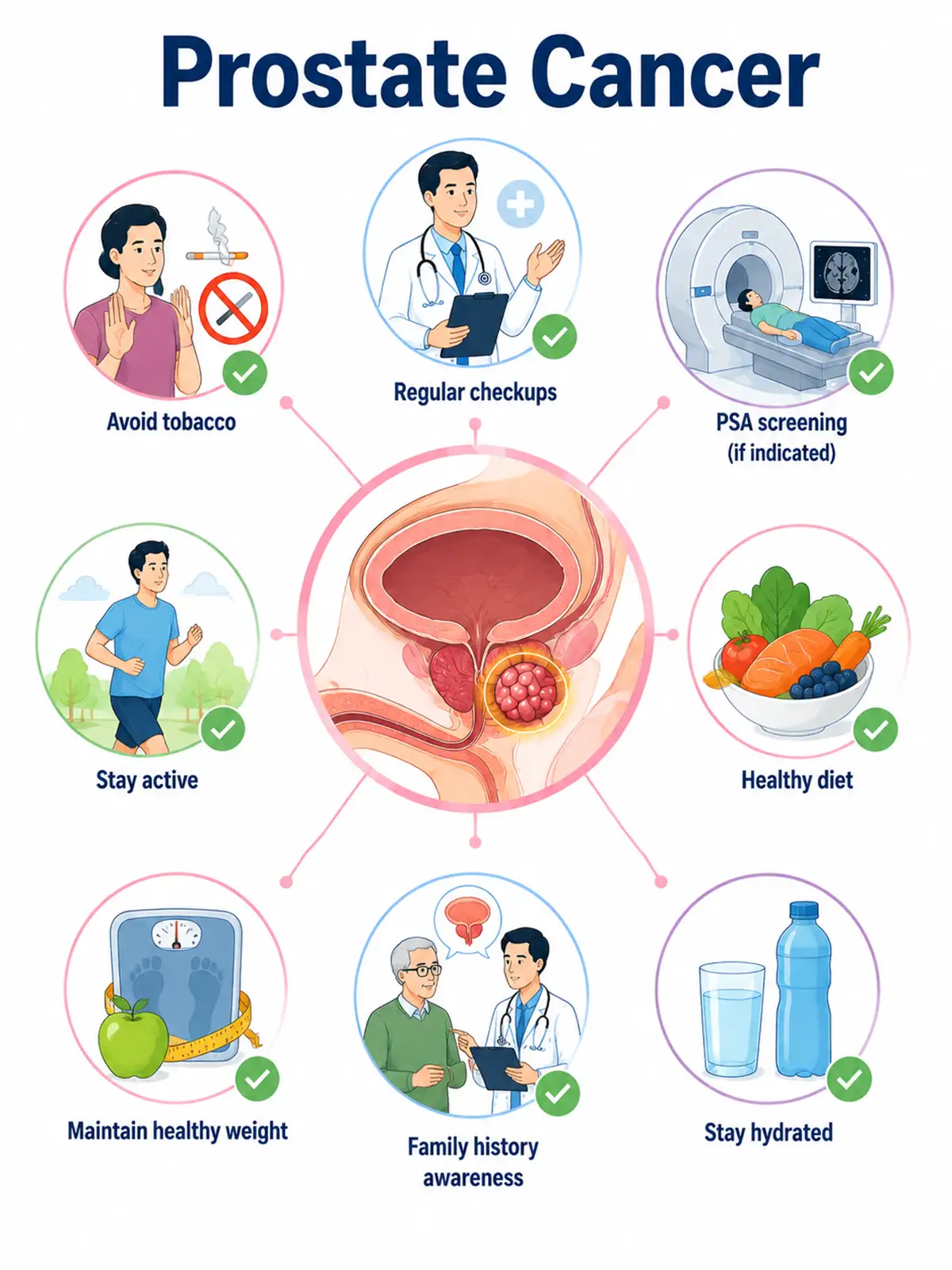
1. Regular PSA testing
Men over the age of 50 should undergo annual prostate-specific antigen (PSA) testing;those with a family history should begin regular screening at age 45.
2. Healthy diet
Reducing the intake of red meat and high-fat dairy products, while increasing the consumption of foods rich in lycopene (such as tomatoes and watermelon), helps protect prostate health.
3. Moderate exercise
Engage in at least 150 minutes of moderate-intensity exercise per week; exercise lowers androgen levels and improves immune function, thereby reducing risk.
4. Weight control
Obesity increases the risk of aggressive prostate cancer; maintaining a healthy weight and engaging in regular exercise help maintain hormonal balance and reduce the risk of developing the disease.
5. Avoid supplementation
Avoid long-term, high-dose intake of selenium and vitamin E supplements; large-scale studies indicate that these supplements may increase, rather than decrease, the risk of prostate cancer.
6. Genetic counseling
Individuals with a family history of prostate or breast cancer should undergo genetic counseling; carriers of BRCA mutations face a significantly increased risk of prostate cancer and require close monitoring.
7. Monitoring urination
Seek medical attention promptly if urinary frequency, urgency, difficulty urinating, or hematuria occurs; while often caused by benign hyperplasia, the possibility of prostate cancer must be ruled out.
Conclusion
Prostate cancer results from the interplay of various factors, such as age and genetics;it is a common and serious malignancy in older men.Early detection and timely intervention—achieved through regular PSA testing, a healthy diet, and moderate exercise—are crucial for improving prognosis.


