


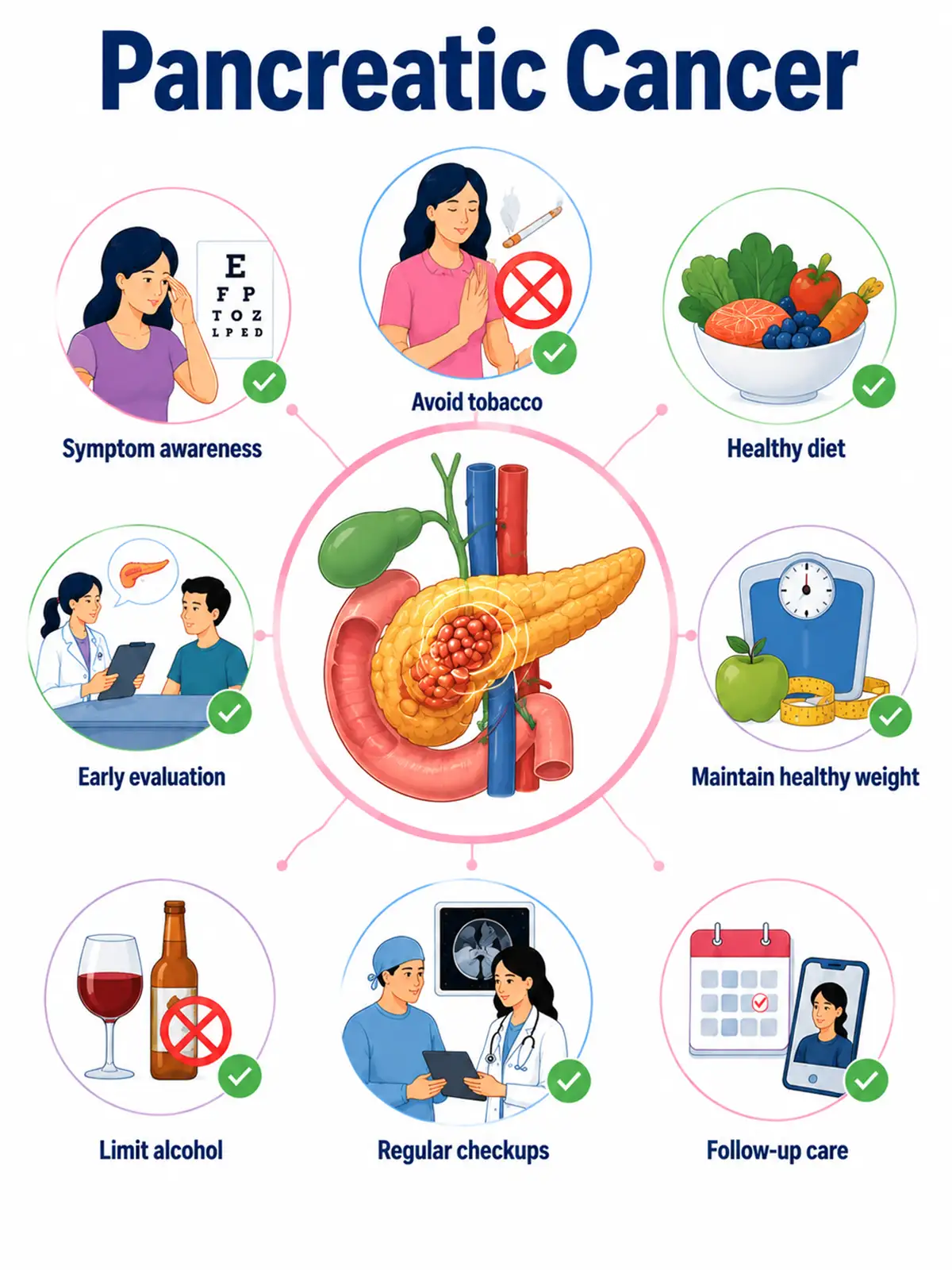
1. Smoking cessation
Smoking is the most significant modifiable risk factor for pancreatic cancer; the risk can drop to near-normal levels ten years after quitting, so one should quit smoking immediately.
2. Controlling blood sugar
Patients with diabetes should strictly control their blood glucose levels; a chronic hyperglycemic environment may promote abnormal proliferation of pancreatic ductal epithelial cells, thereby increasing the risk of malignant transformation.
3. Healthy diet
Reduce diets high in fat and protein but low in fiber; increase the intake of vegetables, fruits, and whole grains; and avoid overeating and excessive alcohol consumption.
4. Weight control
Obesity, particularly abdominal obesity, increases the risk of pancreatic cancer; maintaining a healthy weight and regular exercise can reduce insulin resistance and lower the risk.
5. Treatment of pancreatitis
Patients with chronic pancreatitis require active treatment and regular follow-up; long-term chronic inflammation is a significant risk factor for pancreatic cancer and warrants serious attention.
6. Avoiding chemical exposure
Limit exposure to chemical substances such as N-nitrosodimethylamine, pesticides, and organic solvents; these substances can damage pancreatic cells and increase the risk of malignant transformation.
7. Regular imaging
High-risk individuals—such as those with a family history or chronic pancreatitis—should undergo regular abdominal CT or MRI scans to detect pancreatic space-occupying lesions at an early stage.
Conclusion
Pancreatic cancer is caused by a combination of factors, such as smoking and chronic pancreatitis; it is highly malignant, with insidious early symptoms and severe health risks.Quitting smoking, controlling blood sugar levels, and undergoing regular imaging examinations are crucial for early detection and timely intervention.


