


1. Betel nut chewing
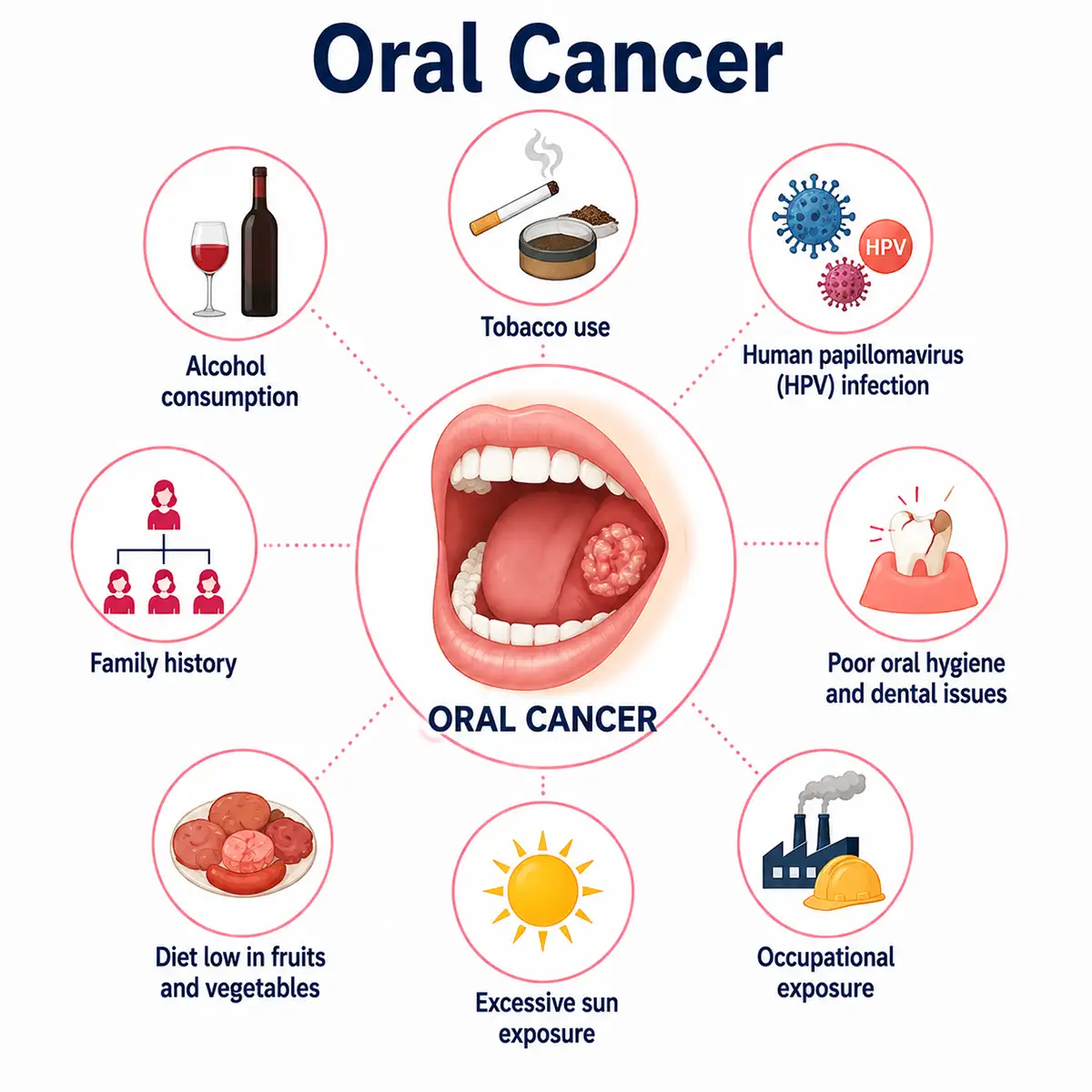
Arecoline and arecaidine are known carcinogens; long-term betel nut chewing is the primary risk factor for oral cancer, particularly buccal mucosa cancer.
2. Smoking and alcohol consumption
Over 70 carcinogens in tobacco can directly irritate the oral mucosa, while alcohol disrupts the mucosal barrier and facilitates the absorption of carcinogens; the two act synergistically.
3. Oral hygiene
Poor oral hygiene over a prolonged period fosters the growth of bacteria and fungi, facilitates the formation of carcinogens such as nitrosamines, and increases the risk of malignant transformation in the oral mucosa.
4. HPV infection
Infection with high-risk human papillomavirus (HPV), particularly type 16, is closely associated with the development of oropharyngeal cancer and cancer of the base of the tongue, with a higher prevalence observed in young patients.
5. Chronic irritation
Long-term friction and irritation of the oral mucosa caused by sharp tooth cusps, ill-fitting dental restorations, or retained tooth roots can lead to chronic inflammation and epithelial dysplasia.
6. Malnutrition
Insufficient intake of fresh fruits and vegetables leads to vitamin and trace element deficiencies; iron deficiency, in particular, can reduce the resistance of the oral mucosa and promote carcinogenesis.
7. Leukoplakia
Precancerous lesions such as oral leukoplakia, erythroplakia, and lichen planus can undergo malignant transformation if they persist for a long time; the risk is higher when epithelial dysplasia is present.
Conclusion
Oral cancer is caused by the combined effects of multiple factors, such as betel nut chewing, smoking, and alcohol consumption; it is a prevalent and serious malignant tumor of the head and neck.Quitting betel nut, tobacco, and alcohol use, maintaining oral hygiene, and undergoing regular oral examinations are crucial for early detection and timely intervention.


