


1. Infection prevention
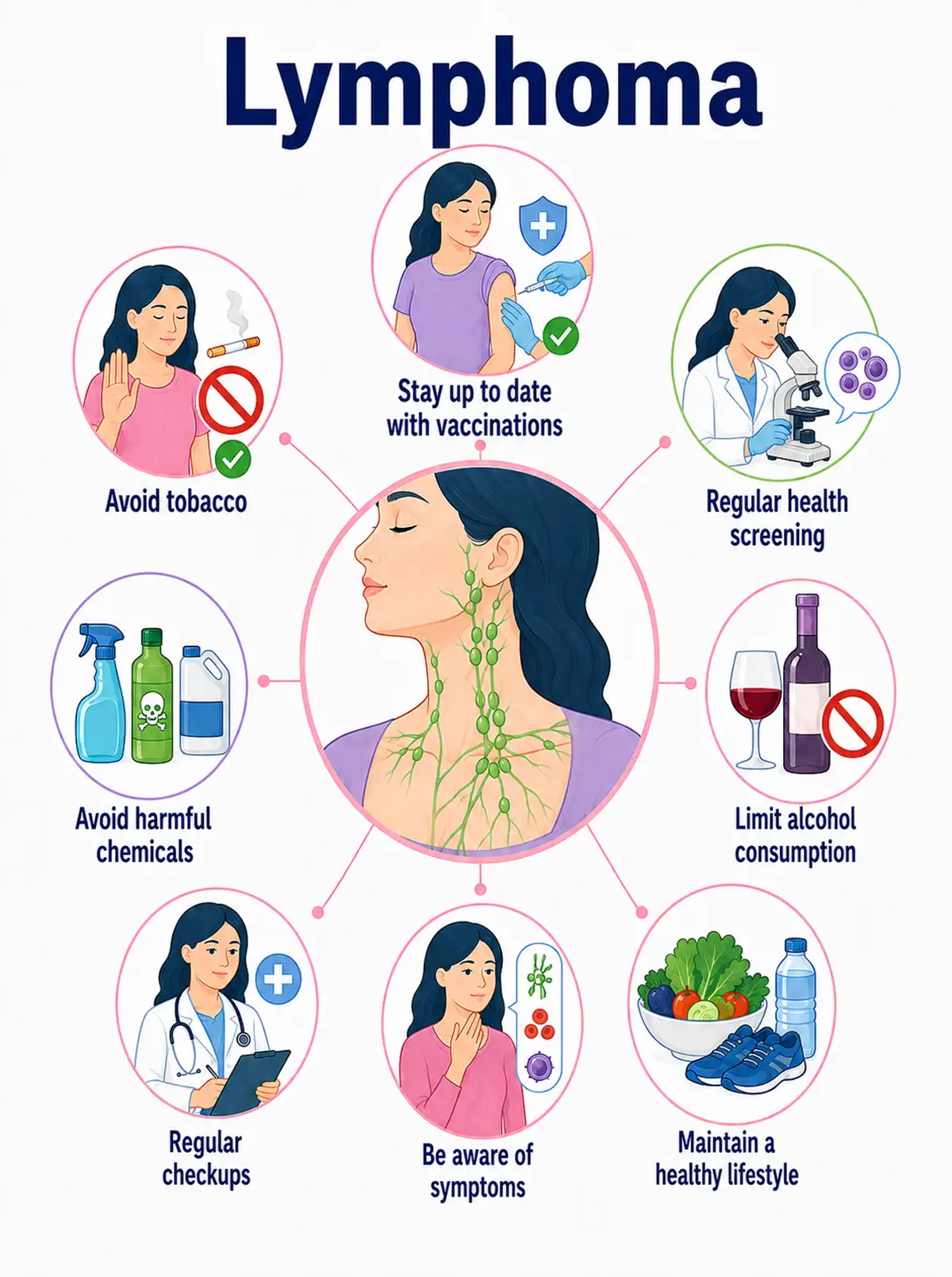
Actively prevent and treat infections such as Epstein-Barr virus (EBV) and *Helicobacter pylori*; these infections are closely associated with various lymphoma subtypes.
2. Avoiding chemical exposure
Reduce exposure to chemicals such as benzene, herbicides, pesticides, and organic solvents; long-term exposure increases the risk of non-Hodgkin lymphoma.
3. Boosting immunity
Maintain a regular daily routine, a balanced diet, and moderate exercise; enhancing immune function helps the body recognize and eliminate abnormal lymphocytes.
4. Weight control
Obesity increases the risk of certain types of lymphoma; maintaining a healthy weight and engaging in regular exercise can regulate hormone levels and reduce the risk of developing the disease.
5. Smoking cessation and alcohol restriction
Smoking and excessive alcohol consumption increase the risk of lymphoma; carcinogens in tobacco and alcohol can impair immune system function, so these habits should be given up.
6. Treatment of autoimmune diseases
Patients with autoimmune diseases like rheumatoid arthritis and lupus erythematosus should receive standardized treatment; long-term immune abnormalities can increase the risk of developing lymphoma.
7. Regular physical examinations
Undergo a comprehensive annual physical examination, including palpation of lymph nodes; seek medical attention promptly if painless lymph node enlargement occurs, particularly in the neck or axilla (armpit).
Conclusion
Lymphoma is caused by the interplay of multiple factors, such as Epstein-Barr virus (EBV) infection and immunosuppression; it is a common and serious hematologic malignancy.Preventing infections, avoiding chemical exposure, boosting immunity, and ensuring early detection and timely intervention are crucial.


