


Global disease prevalence: Leukemia is a common hematologic malignancy worldwide; it affects both children and adults, and some subtypes have a relatively favorable prognosis.
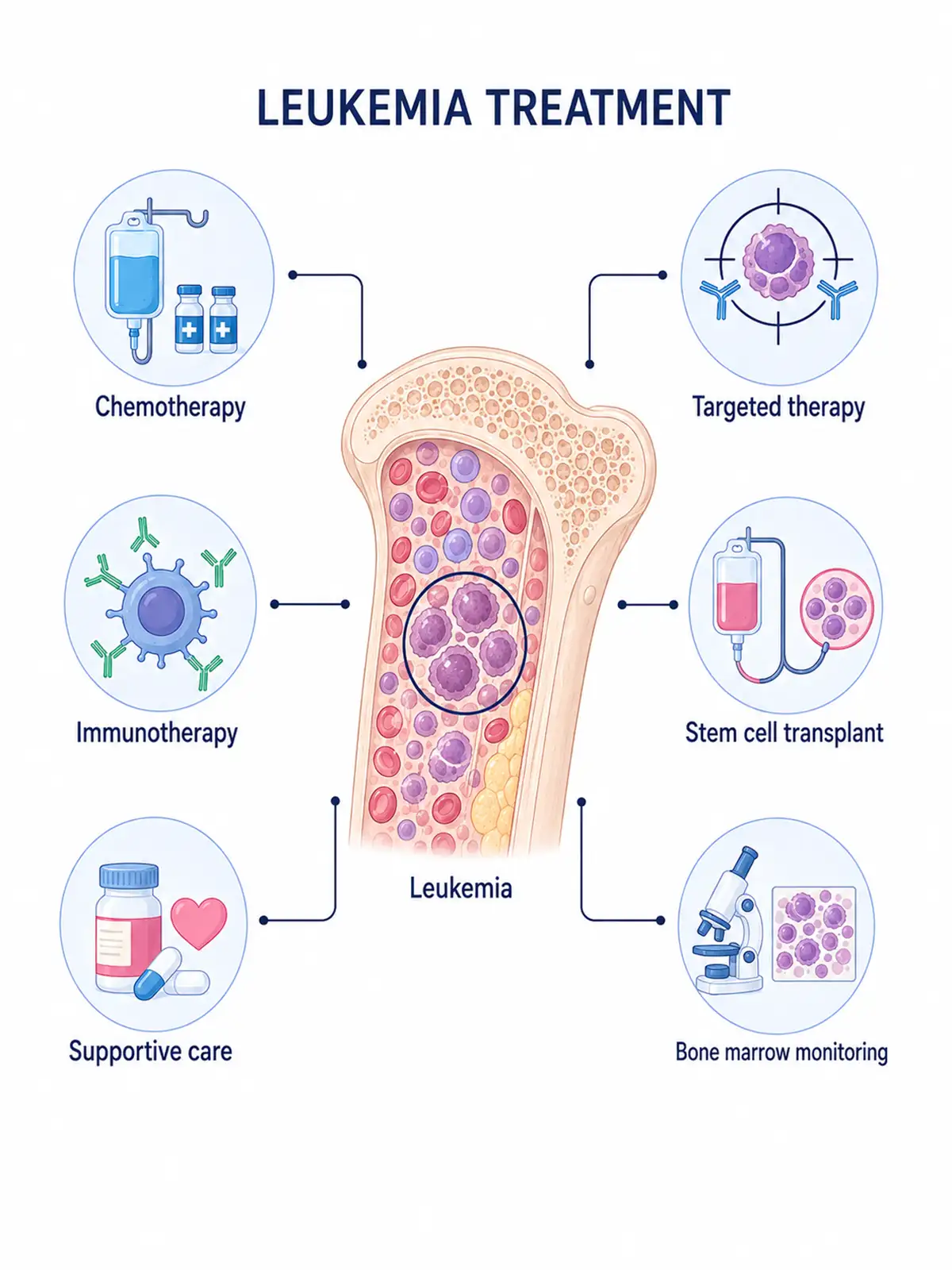
Treatment based on leukemia stages
Early treatment (addressing the condition early to control progression and achieve good results)
using chemotherapy combined with targeted drugs can effectively control the proliferation of leukemia cells, resulting in a relatively high remission rate.
Intermediate-stage treatment (addressing disease progression, inhibiting spread, and delaying deterioration)
employs a comprehensive approach—combining multi-drug chemotherapy with immunotherapy—to control further disease progression and slow the rate of deterioration.
Advanced-stage treatment (addressing extensive involvement, alleviating symptoms, and prolonging survival)
primarily employs modalities such as chemotherapy, immunotherapy, and stem cell transplantation to alleviate clinical symptoms and maximize patient survival time.
Consequences of delayed early treatment: Failure to receive timely, standardized treatment in the early stages allows leukemia cells to continue proliferating and infiltrating the bone marrow and systemic organs; missing the optimal window for intervention can be life-threatening.
Why choose Fosun Health for leukemia treatment
Leukemia diagnosis and treatment at Fosun Health are managed by a specialized hematologic oncology center; the team possesses extensive experience in chemotherapy, targeted therapy, hematopoietic stem cell transplantation, and CAR-T cell immunotherapy.Leveraging a global medical network, patients have access to cutting-edge international treatment regimens, including standard chemotherapy, tyrosine kinase inhibitor (TKI) targeted therapy, allogeneic hematopoietic stem cell transplantation, and Fosun Kite CAR-T cell therapy.
For complex cases such as relapsed/refractory leukemia, an MDT—comprising experts in hematology, transplantation, molecular pathology, and radiology—collaborates to formulate the optimal treatment plan; a cross-border consultation mechanism enables patients to obtain second opinions from leading international hematology centers.
YiKaiDa® (axicabtagene ciloleucel injection), independently developed by Fosun Kite, is the first CAR-T product approved in China. It has been utilized in 38 countries and regions by nearly 5,000 patients, achieving an overall response rate of 83%, a complete response rate of 58%, and a 4-year overall survival rate of 44%.In September 2025, a second CAR-T product, brexucabtagene autoleucel injection, was submitted for approval for the indication of relapsed/refractory acute lymphoblastic leukemia, bringing greater hope of a cure to leukemia patients.
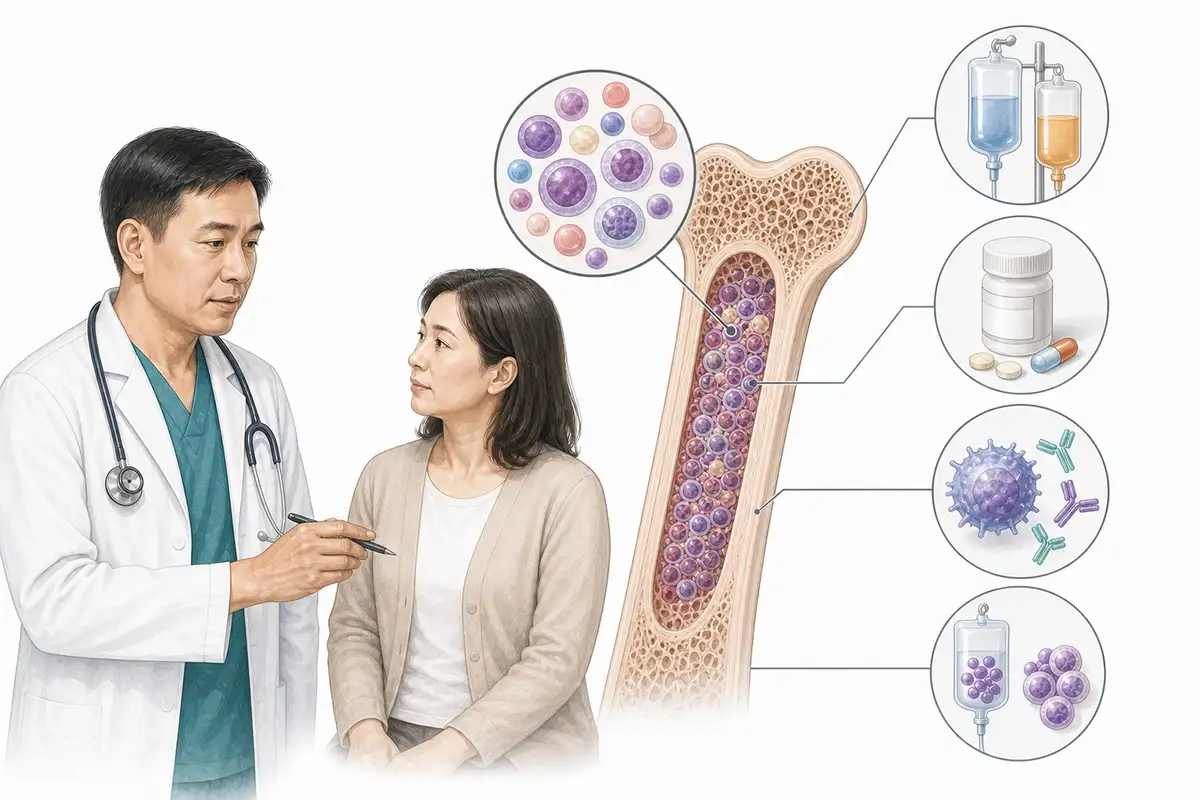
Leukemia Treatment Methods
1.Chemotherapy
For patients with acute myeloid leukemia and certain types of acute lymphoblastic leukemia, chemotherapy serves as a key component of induction therapy; appropriate combination regimens are selected based on leukemia subtype, age, molecular genetic characteristics, and physical condition.
2.CAR-T cell therapy
For selected patients with relapsed or refractory B-cell acute lymphoblastic leukemia (B-ALL) who meet the indications, CAR-T cell therapy targeting CD19 or other targets may be evaluated.
Treatment advantages:
① Targeted recognition: Engineered T cells capable of recognizing specific leukemia cell antigens.
② Suitable for relapsed/refractory cases: Offers new treatment options for patients who have failed prior therapies.
③ Personalized cell therapy: Cell therapy is administered based on the patient's tumor antigens and specific clinical condition.
④ Achievement of deep remission: Some patients may achieve deep disease remission.
3. Targeted therapy
Targeted drugs are selected based on the molecular genetic characteristics of the leukemia—such as FLT3 or IDH inhibitors for AML, retinoic acid and arsenic agents for APL, and BCR::ABL1 tyrosine kinase inhibitors for CML.
Treatment advantages:
① Molecular targeting: Acts on specific genes or signaling pathways within leukemia cells.
② More precise treatment: Selection of appropriate drugs based on molecular testing results.
③ Applicable to different disease subtypes: Various targeted drugs can be used for leukemia patients with corresponding molecular abnormalities.
④ Long-term treatment for some patients: For example, chronic myeloid leukemia can be controlled long-term using TKIs.
4.Hematopoietic stem cell transplantation
For certain cases of high-risk, relapsed, or refractory acute leukemia, as well as patients with clear indications for transplantation, allogeneic hematopoietic stem cell transplantation may be considered based on disease type, MRD status, treatment response, and physical condition.
5.Intrathecal chemotherapy and CNS prophylactic therapy
For patients with acute lymphoblastic leukemia, certain types of acute myeloid leukemia, and those at risk of central nervous system involvement, intrathecal chemotherapy and other forms of central nervous system prophylaxis may be administered based on the specific disease subtype.
6.Comprehensive therapy
Formulate an individualized comprehensive treatment plan—combining chemotherapy, targeted therapy, immunotherapy, and other modalities based on the patient's specific condition—to enhance therapeutic efficacy;administer treatment.
7.Supportive care
Interventions such as blood transfusion, anti-infection therapy, and nutritional support can comprehensively improve the patient's physical condition and quality of life, thereby enhancing treatment efficacy.
Post-treatment care
Maintain oral hygiene and dietary cleanliness to prevent infection and bleeding; attend scheduled follow-up appointments; and actively cooperate with subsequent treatments.
Post-treatment examinations
Regular complete blood counts (CBC), bone marrow aspiration, and minimal residual disease (MRD) testing are required after treatment to detect changes in the condition in a timely manner.
Conclusion
Leukemia poses a serious threat; successful treatment hinges on early detection, diagnosis, and intervention, as well as selecting the appropriate treatment plan and adhering to follow-up care to control disease progression.


