


1. Ionizing radiation
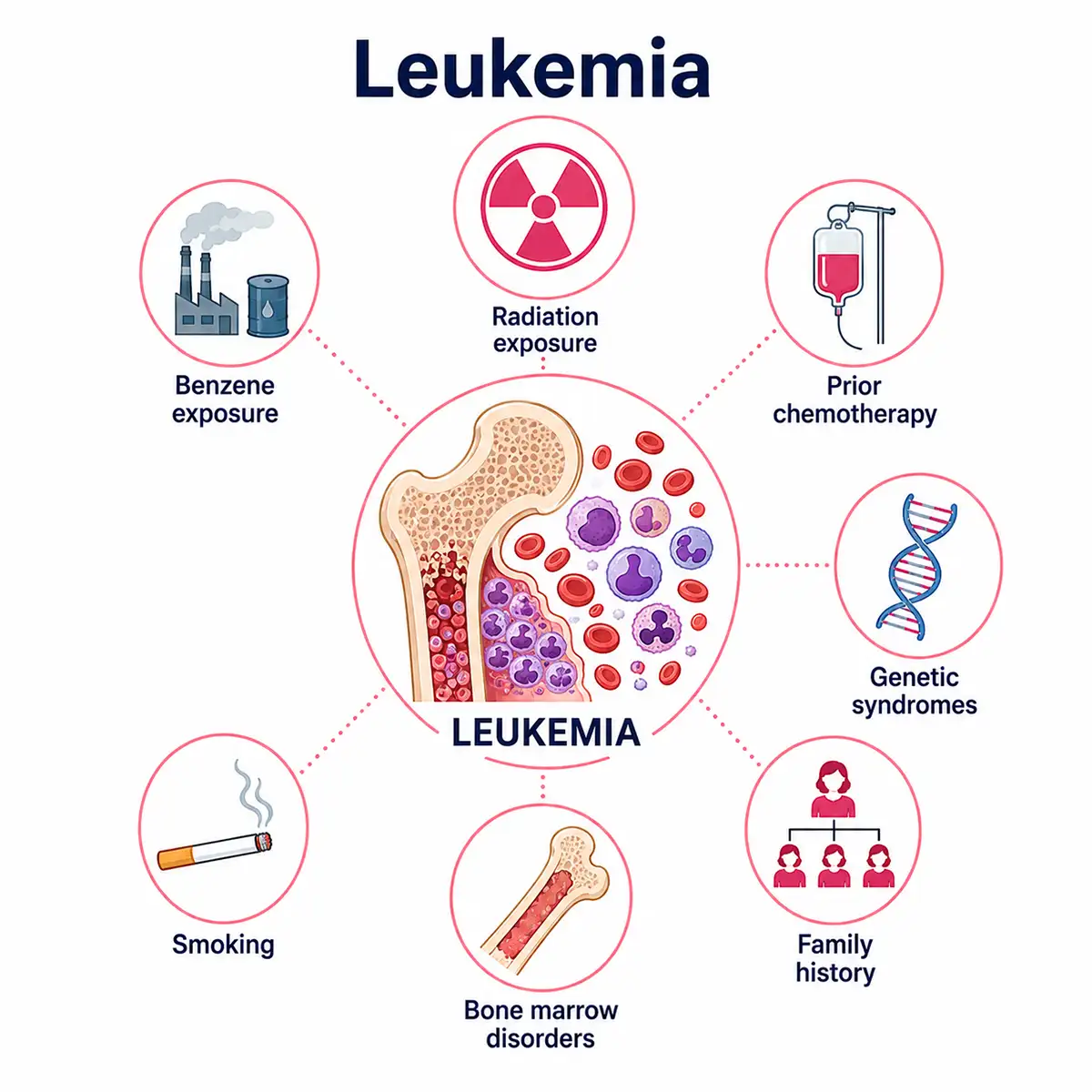
High-dose ionizing radiation—such as that from atomic bomb explosions or radiotherapy—can damage the DNA of hematopoietic stem cells in the bone marrow, significantly increasing the risk of developing leukemia.
2. Benzene compounds
Long-term exposure to benzene and its derivatives—such as those found in paints, rubber, and raw materials for the footwear industry—can impair bone marrow hematopoietic function and induce leukemia.
3. Viral infection
Human T-cell lymphotropic virus type 1 (HTLV-1) is closely associated with adult T-cell leukemia; Epstein-Barr virus (EBV) may also be linked to certain subtypes of leukemia.
4. Genetic factors
The incidence of leukemia is significantly higher in patients with chromosomal abnormalities such as Down syndrome, and the risk for first-degree relatives is two to three times higher than normal.
5. Chemotherapy drugs
Chemotherapy drugs such as alkylating agents and topoisomerase inhibitors can induce treatment-related leukemia, typically manifesting five to ten years after the initial treatment.
6. Smoking as a factor
Smoking increases the risk of acute myeloid leukemia; carcinogens in tobacco, such as benzene, can be absorbed through the lungs into the bloodstream and affect the hematopoietic system.
7. History of hematological disease
Hematologic disorders such as myelodysplastic syndromes and myeloproliferative neoplasms can transform into acute leukemia.
Conclusion
Leukemia is caused by the combined effects of various factors, such as ionizing radiation, chemical toxins, and viral infections; it is a hematologic malignancy that poses a serious threat to life and health.Avoiding exposure to benzene, minimizing radiation exposure, and undergoing regular complete blood count (CBC) tests are crucial for early detection and timely intervention.


