


1. Avoidance of radiation
Minimize unnecessary radiological examinations; ensure proper protection when working with radiation, as high-dose radiation is a known causative factor for leukemia.
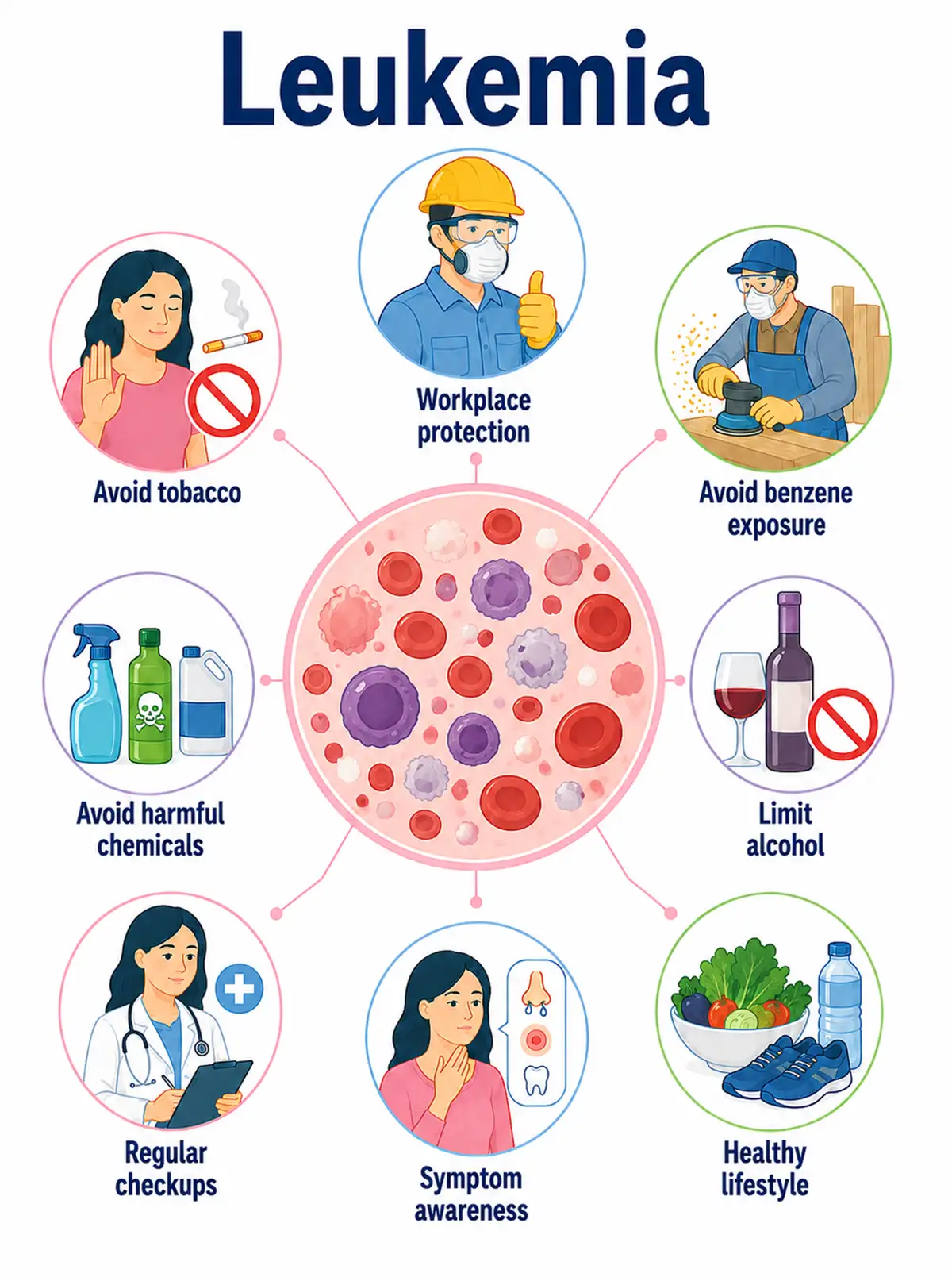
2. Avoiding benzene exposure
Avoid long-term exposure to benzene and its derivatives (such as raw materials used in the paint, rubber, and footwear industries); benzene can impair bone marrow hematopoiesis and induce leukemia.
3. Preventing infection
Actively prevent viral infections such as HTLV-1 and EBV; maintain good personal hygiene and avoid crowded places to reduce the risk of infection.
4. Balanced diet
Increase the intake of fresh vegetables, fruits, and high-quality protein, and supplement with folic acid, iron, and vitamin B12 to maintain the nutrients required for normal hematopoiesis.
5. Regular daily routine
Maintain adequate sleep and a regular daily routine; avoiding chronic sleep deprivation and mental stress helps maintain normal immune system function.
6. Moderate exercise
Moderate aerobic exercise performed weekly can boost immunity and improve blood circulation and metabolism, though excessive fatigue should be avoided.
7. Regular blood tests
Undergo an annual complete blood count (CBC) to monitor changes in white blood cells, red blood cells, and platelets; seek medical attention promptly if signs of anemia, bleeding tendencies, or infection arise.
Conclusion
Leukemia is caused by the combined effects of various factors, such as ionizing radiation, chemical toxins, and viral infections; it is a hematologic malignancy that poses a serious threat to life and health.Avoiding exposure to benzene, minimizing radiation exposure, and undergoing regular complete blood count (CBC) tests are crucial for early detection and timely intervention.


