


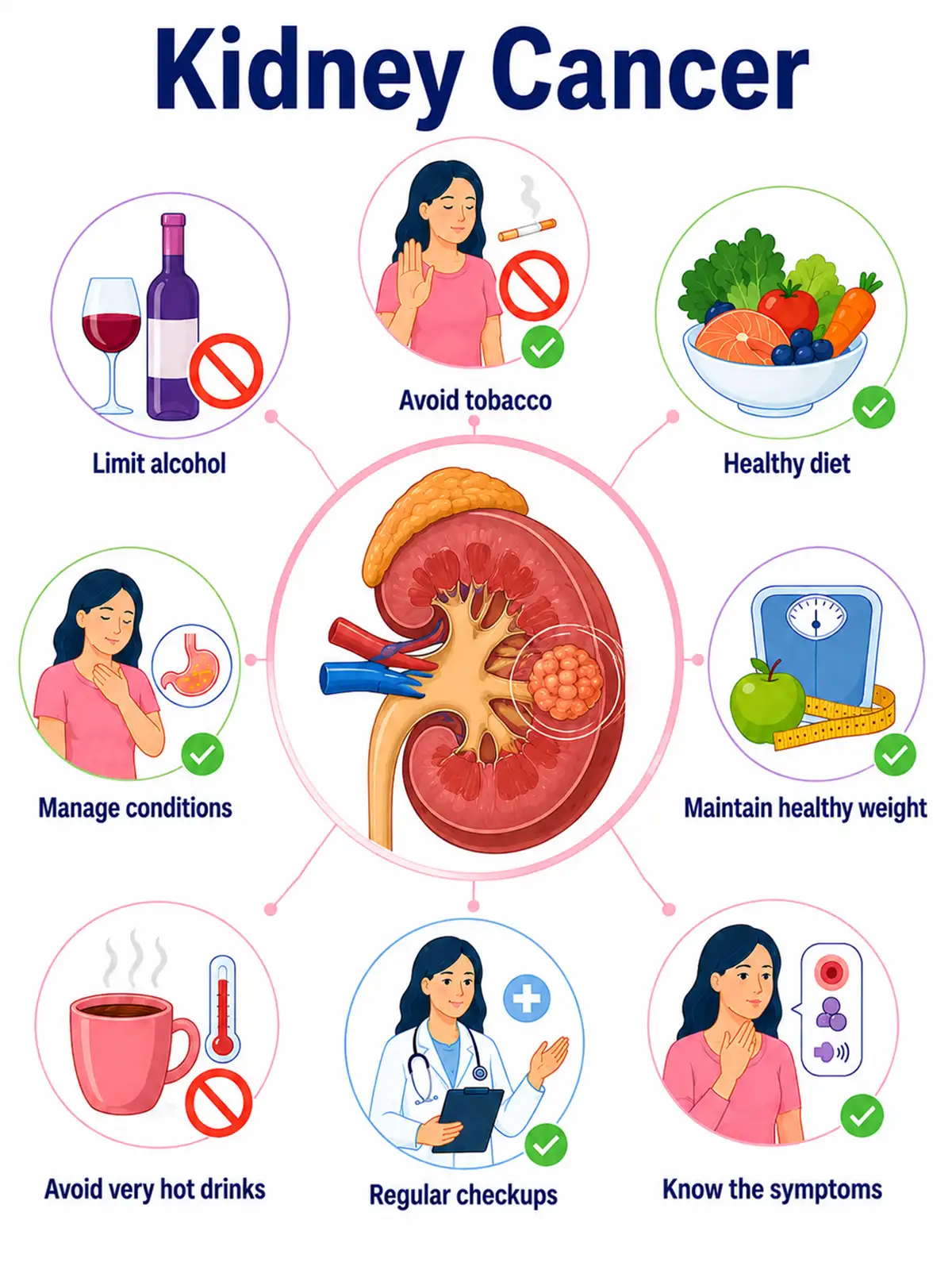
1. Smoking cessation
Smoking is the most significant modifiable risk factor for kidney cancer; the risk gradually decreases after quitting. Quitting is beneficial at any time, so take action immediately.
2. Weight control
Obesity increases the risk of kidney cancer; maintaining a healthy weight and engaging in regular exercise can regulate hormone levels and improve metabolism, thereby reducing the risk of developing the disease.
3. Blood pressure control
Long-term hypertension is an independent risk factor for renal cancer; blood pressure should be monitored regularly and controlled within the normal range through medication and lifestyle interventions.
4. Healthy diet
Increase the intake of vegetables and fruits, while reducing red meat and processed meats; a high-fiber diet helps maintain kidney health and reduce cancer risk.
5. Avoid exposure
Personnel working with asbestos, cadmium, or in the petrochemical industry should implement occupational protection measures to reduce exposure to harmful chemicals and lower risk.
6. Regular ultrasound
Individuals over the age of 40—particularly smokers and those with obesity—should undergo annual renal ultrasound examinations to facilitate the early detection of renal space-occupying lesions.
7. Genetic screening
Individuals with a family history of VHL syndrome should undergo regular abdominal imaging; patients with VHL have a high incidence of renal cancer and require lifelong monitoring for early detection.
Conclusion
Renal cancer is caused by the combined effects of multiple factors, such as smoking and obesity; early symptoms are often inconspicuous, yet the disease poses a serious threat.Quitting smoking, controlling weight, and undergoing regular ultrasound examinations to facilitate early detection and timely intervention are crucial for improving prognosis.


