


1. Smoking factor
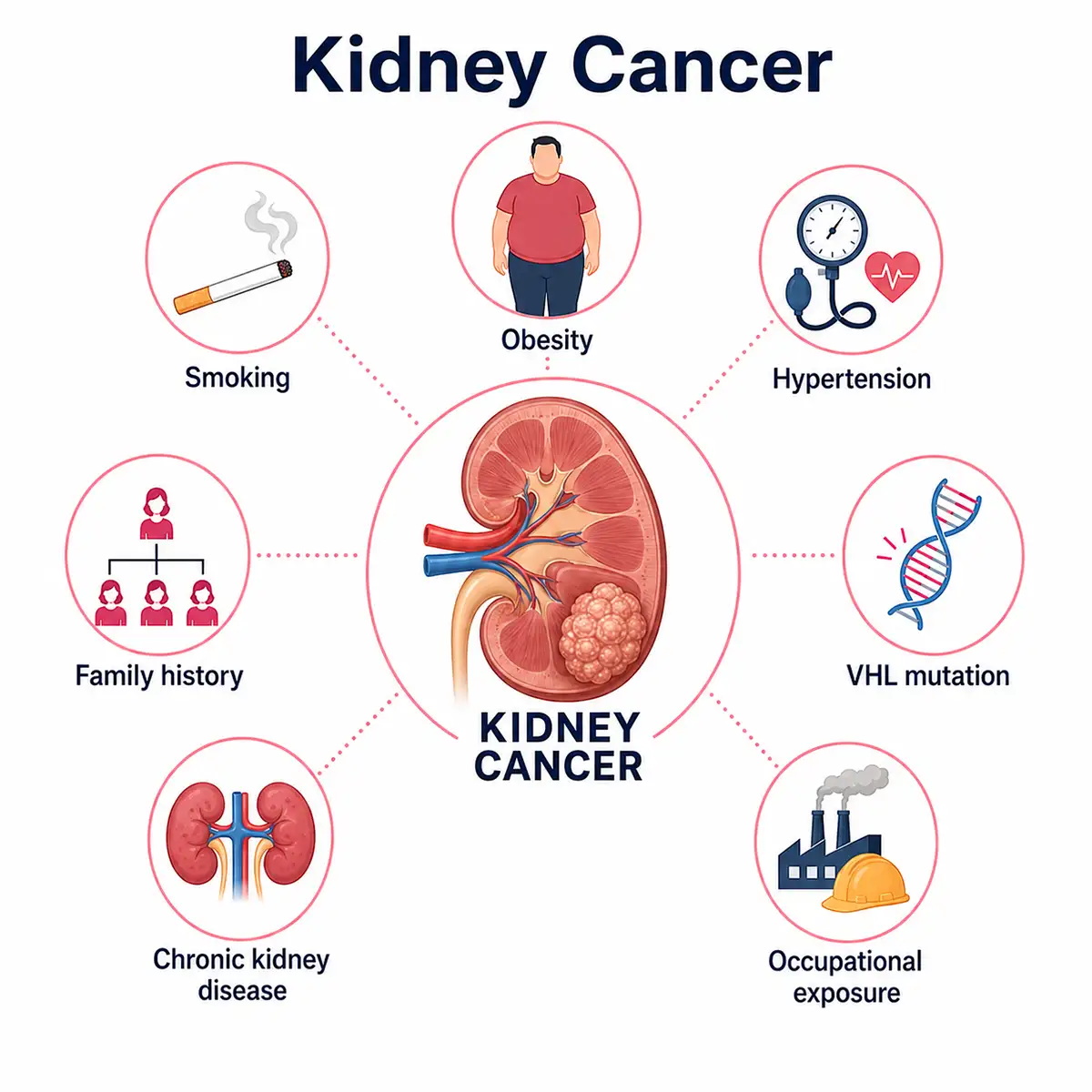
Smoking is the most significant modifiable risk factor for kidney cancer; smokers face a risk approximately 50% higher than non-smokers, and the risk gradually decreases after quitting.
2. Obesity factors
Obese individuals have a higher risk of developing kidney cancer compared to those of normal weight; obesity-related hormonal changes and insulin resistance may promote the malignant transformation of renal cells.
3. Hypertension-related factors
Long-term hypertension is an independent risk factor for renal cancer; chronic renal ischemia and cellular damage caused by hypertension may contribute to tumor development.
4. Genetic factors
Hereditary disorders such as VHL syndrome and tuberous sclerosis significantly increase the risk of renal cancer; BRCA1-associated proteins are also implicated in the disease's pathogenesis.
5. Occupational exposure
Workers with long-term exposure to harmful substances such as asbestos, cadmium, coke, and petrochemical products face an increased risk of kidney cancer compared to the general population.
6. Dietary factors
High, long-term intake of red meat and processed meat may increase the risk of kidney cancer; insufficient intake of fresh fruits and vegetables is also associated with an elevated risk.
7. Age and gender
Renal cancer is most common in older adults over the age of sixty; the incidence rate in men is approximately double that in women, with a male-to-female ratio of about 2:1.
Conclusion
Kidney cancer is caused by a combination of factors, including smoking and obesity;early symptoms are often subtle, yet the disease poses serious risks.Quitting smoking, managing weight, and undergoing regular check-ups to ensure early detection and timely intervention are crucial for improving prognosis.


