


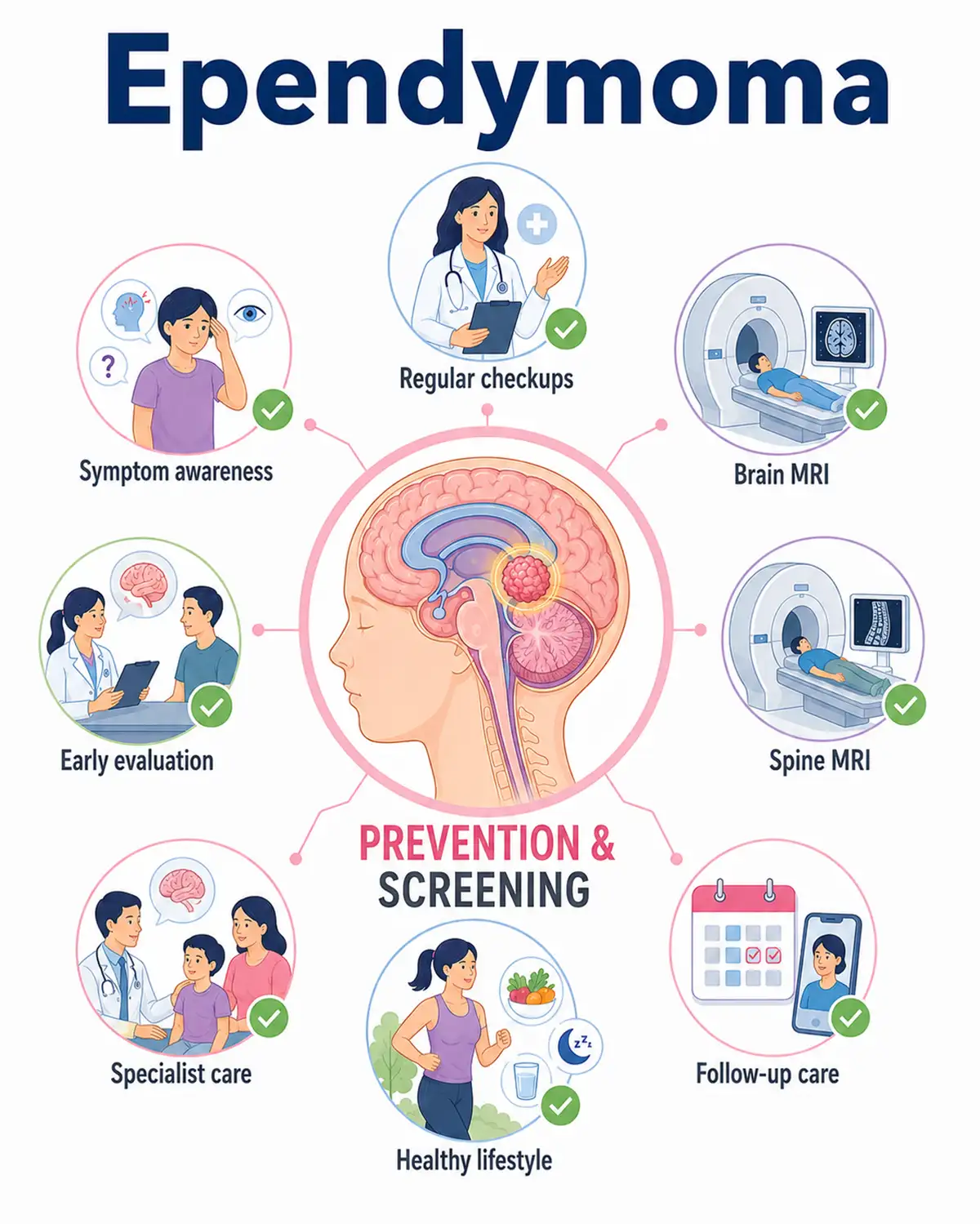
1. Genetic counseling
Individuals with a family history of neurofibromatosis type 2 (NF2) should undergo NF2 gene testing, as mutations in the NF2 gene are closely associated with the development of ependymomas.
2. Avoiding radiation
Children should avoid unnecessary radiological examinations of the head and neck; ionizing radiation can increase the risk of ependymoma, and children are particularly sensitive to it.
3. Prenatal care
Pregnant women should avoid exposure to radiation and chemical carcinogens; the embryonic stage is a critical period for the formation of ependymal tissue and requires special protection.
4. Healthy diet
Increase the intake of foods rich in folic acid and antioxidants; these nutrients play a crucial protective role in the development and maintenance of the nervous system.
5. Regular daily routine
Maintaining a regular daily routine and adequate sleep aids in the repair of the nervous system and helps prevent prolonged excessive fatigue and a decline in immune function.
6. Focus on children
Children exhibiting headaches, vomiting, unsteady gait, or vision problems should seek medical attention promptly; vigilance is required as children are a high-risk group for ependymomas.
7. Regular imaging
Individuals with hereditary high-risk factors or neurological symptoms should undergo regular MRI examinations; early detection of tumors allows for timely surgical intervention.
Conclusion
Ependymomas result from a combination of factors, including embryonic developmental abnormalities and genetic influences; they are most common in children and pose serious health risks.For individuals with a family history, genetic counseling, radiation avoidance, and regular imaging—to ensure early detection and timely intervention—are crucial.


