


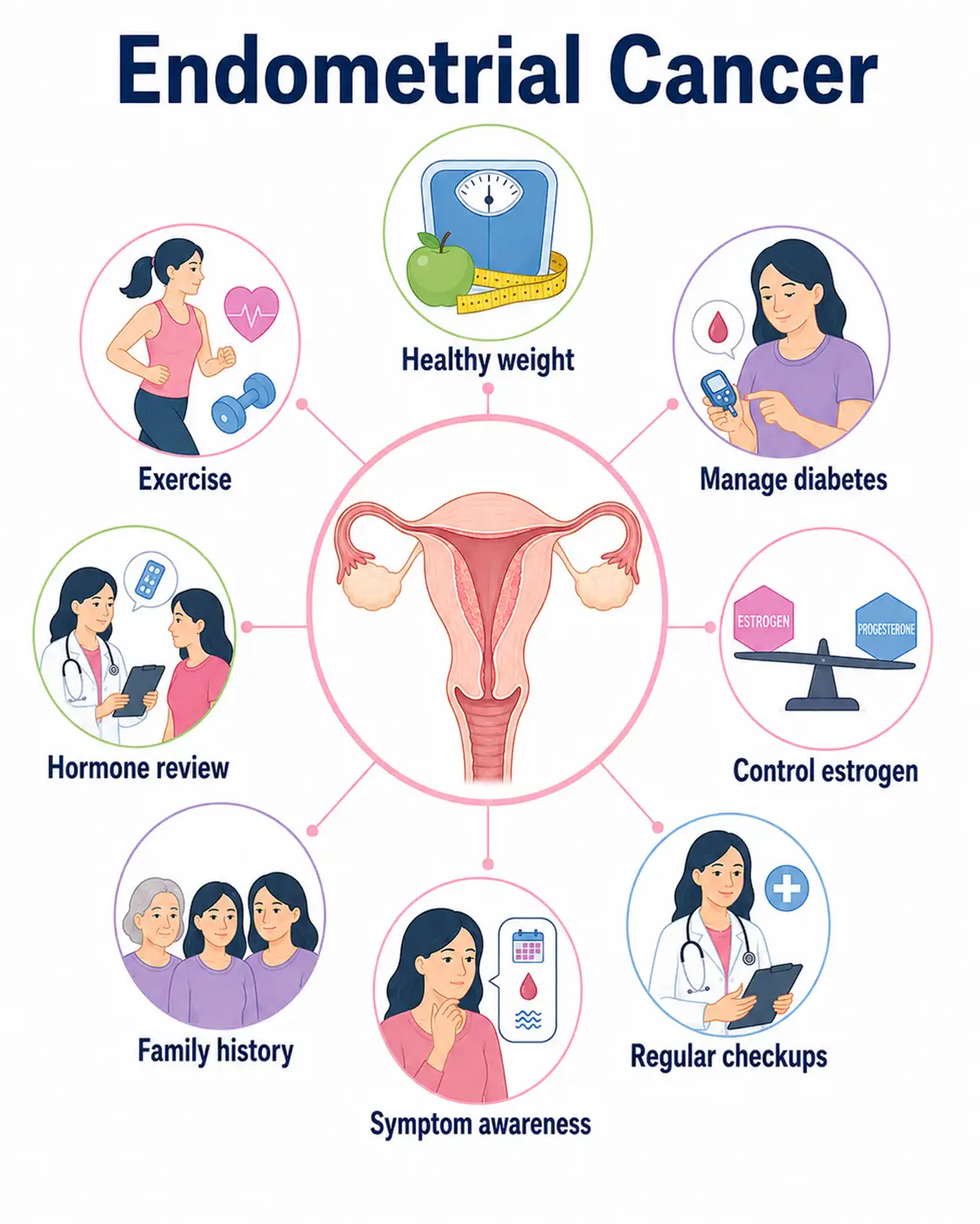
1. Weight control
Obesity is an important risk factor. Keeping body mass index below twenty-four significantly lowers estrogen levels and reduces disease risk.
2. Blood glucose management
Patients with diabetes should strictly control glucose. Insulin resistance and hyperinsulinemia stimulate abnormal endometrial cell proliferation and increase malignant transformation risk.
3. Regular exercise
At least 150 minutes of moderate-intensity exercise weekly lowers estrogen and improves insulin sensitivity, providing protection.
4. Hormone replacement
Postmenopausal hormone replacement should include progesterone protection. Estrogen alone maintains endometrial proliferation and increases malignant transformation risk.
5. Monitor menstruation
Postmenopausal bleeding or menstrual irregularities warrant prompt consultation. Abnormal uterine bleeding may be an early endometrial cancer signal requiring serious attention.
6. Healthy diet
Increase vegetables, fruit, and whole grains and reduce red and processed meat. A high-fiber diet helps regulate estrogen metabolism and reduce risk.
7. Regular screening
High-risk individuals, including those with obesity, diabetes, or Lynch syndrome, should undergo regular endometrial biopsy and ultrasound assessment of endometrial thickness.
Conclusion
Endometrial cancer is closely associated with metabolic abnormalities and causes serious harm as a common female genital tract malignancy. Weight control, blood glucose management, and attention to menstrual abnormalities are essential for early detection and timely intervention.


