


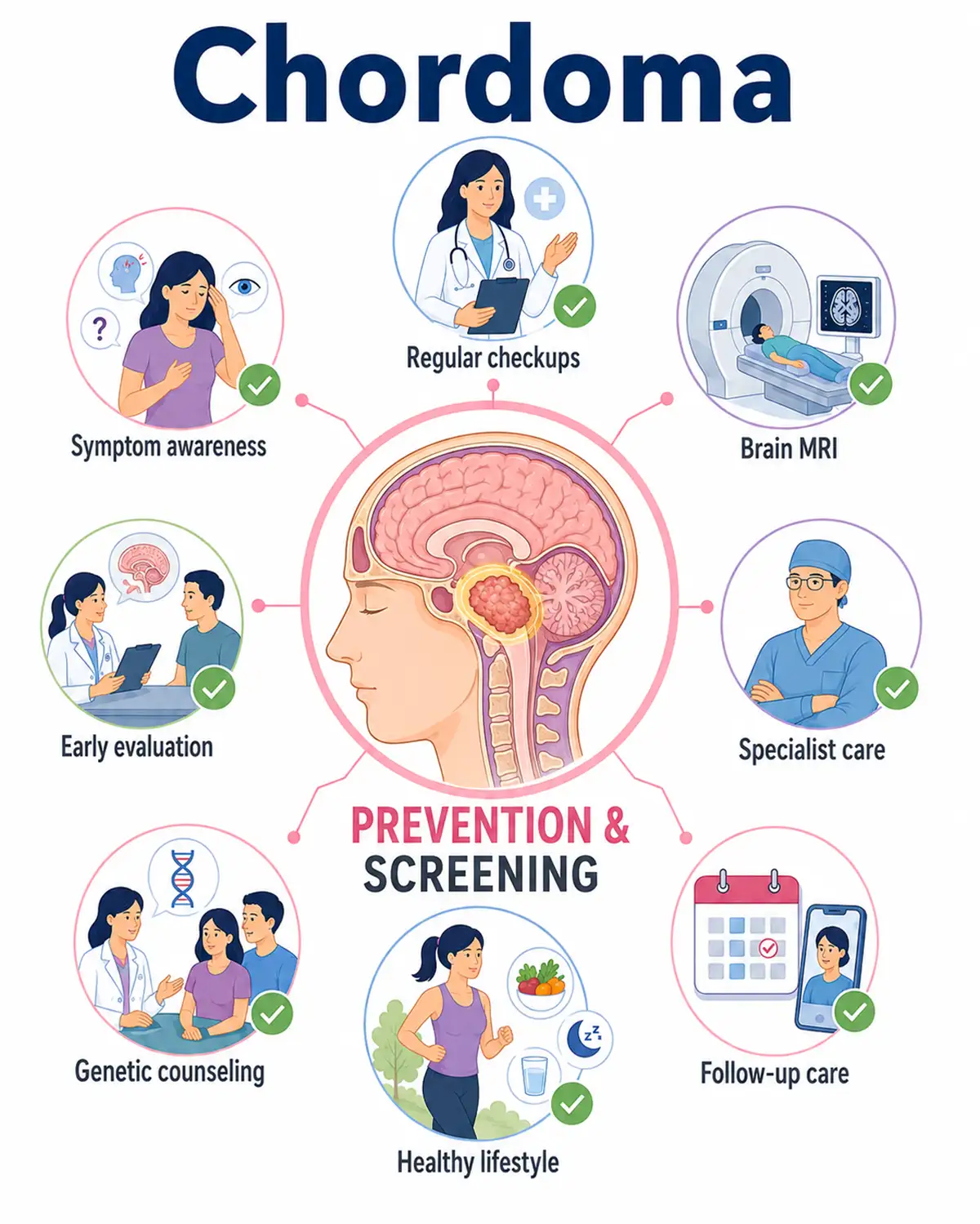
1. Avoidance of radiation
Minimize unnecessary radiological examinations and treatments; ionizing radiation may increase the risk of developing chordoma and warrants serious attention.
2. Attention to the sacrococcygeal region
Medical attention should be sought promptly if persistent pain, numbness, or difficulty defecating occurs in the sacrococcygeal region; vigilance is required as this is a common site for chordomas.
3. Attention to the skull base
If symptoms such as headache, double vision (diplopia), or facial numbness occur, examine the skull base; skull base chordomas can invade multiple cranial nerves and pose serious risks.
4. Regular exercise
Moderate exercise strengthens bones and boosts immunity; avoiding prolonged sedentary behavior helps maintain healthy blood circulation in the sacrococcygeal region.
5. Balanced diet
Ensuring sufficient intake of calcium and vitamin D helps maintain bone health; while the direct link to chordoma is unclear, it benefits overall health.
6. Avoiding trauma
Take care to protect the spine and sacrococcygeal region from severe trauma; while the causal link between trauma and chordoma is unclear, protecting the skeletal structure is beneficial and harmless.
7. Regular imaging
Individuals with persistent symptoms in the sacrococcygeal region or skull base should undergo CT or MRI scans; early detection of tumors allows for complete resection and improved treatment outcomes.
Conclusion
Chordoma is caused by a combination of factors, including notochordal tissue remnants and genetic abnormalities. Although it grows slowly, it is highly locally invasive and poses serious health risks.Prompt medical attention is crucial if sacrococcygeal pain or cranial nerve symptoms appear, as early detection and timely intervention are vital.


