


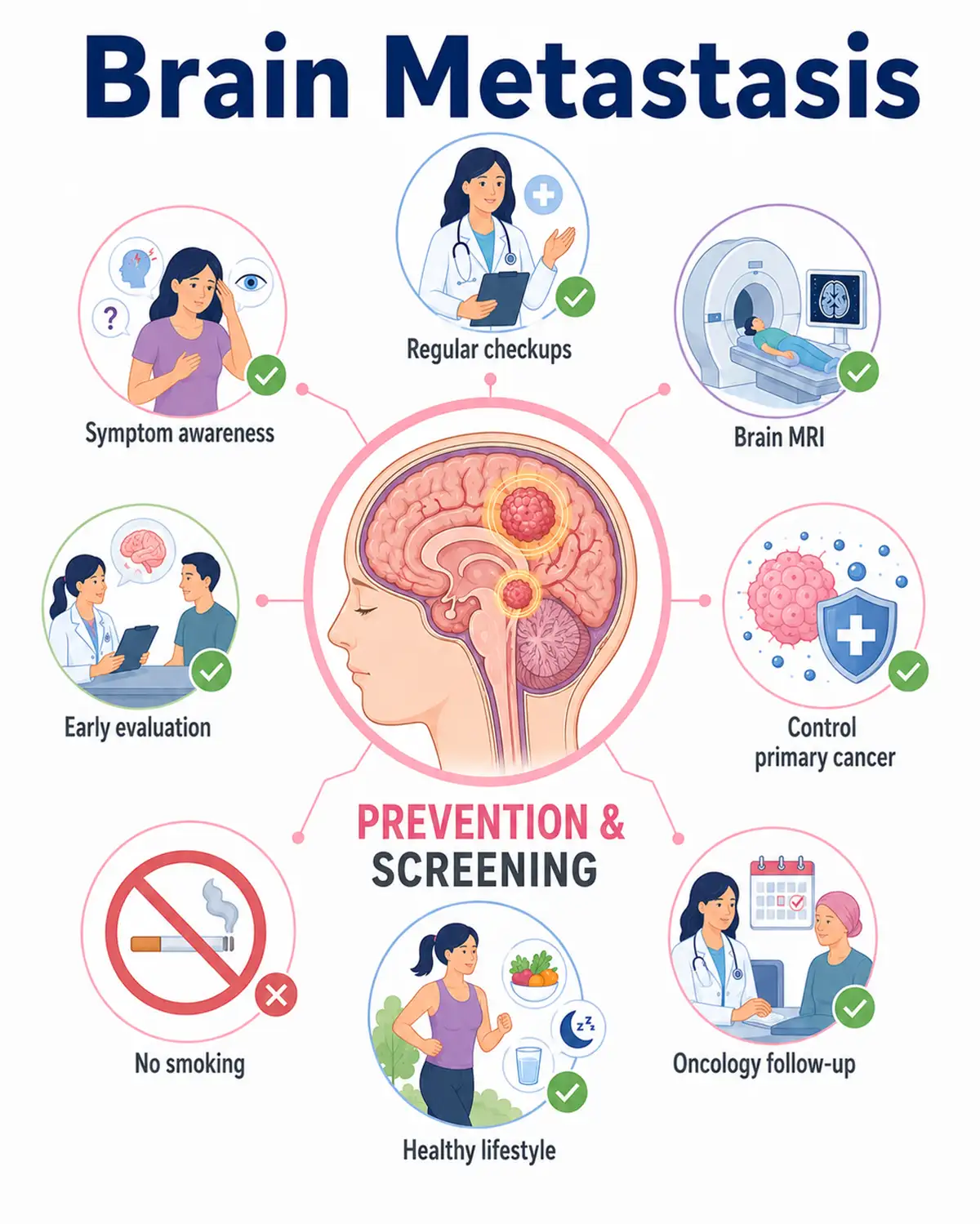
1. Control of primary disease
Actively and properly treat primary tumors such as lung cancer, breast cancer, and melanoma; controlling the primary tumor is the most fundamental measure for preventing brain metastasis.
2. Periodic neurological assessment
Cancer patients should undergo regular neurological assessments; a cranial MRI scan should be performed promptly if symptoms such as headache, vomiting, or limb weakness occur.
3. Boosting immunity
A balanced diet, regular exercise, and adequate sleep can enhance immune function, helping the body recognize and eliminate metastatic tumor cells.
4. Avoiding infection
Minimizing the risk of infection helps prevent further decline in immune function; infections can activate inflammatory factors that promote tumor growth and metastasis.
5. Psychological counseling
Maintain a positive and optimistic mindset, avoiding excessive anxiety and depression; a healthy mental state helps maintain immune function and supports treatment efficacy.
6. Regular imaging
Patients with high-risk cancers should undergo regular cranial MRI examinations; close monitoring is particularly required for patients with small-cell lung cancer and HER2-positive breast cancer.
7. Standardized follow-up
After completing initial treatment, strict adherence to the prescribed follow-up schedule is essential; early detection of brain metastasis allows for timely local treatments such as radiotherapy or surgery.
Conclusion
Brain metastases result from the hematogenous spread of a primary tumor to the brain; they are the most common type of intracranial malignancy and pose a serious health risk.Actively controlling the primary tumor and undergoing regular neurological examinations to ensure early detection and timely intervention are vital for prolonging survival.


