


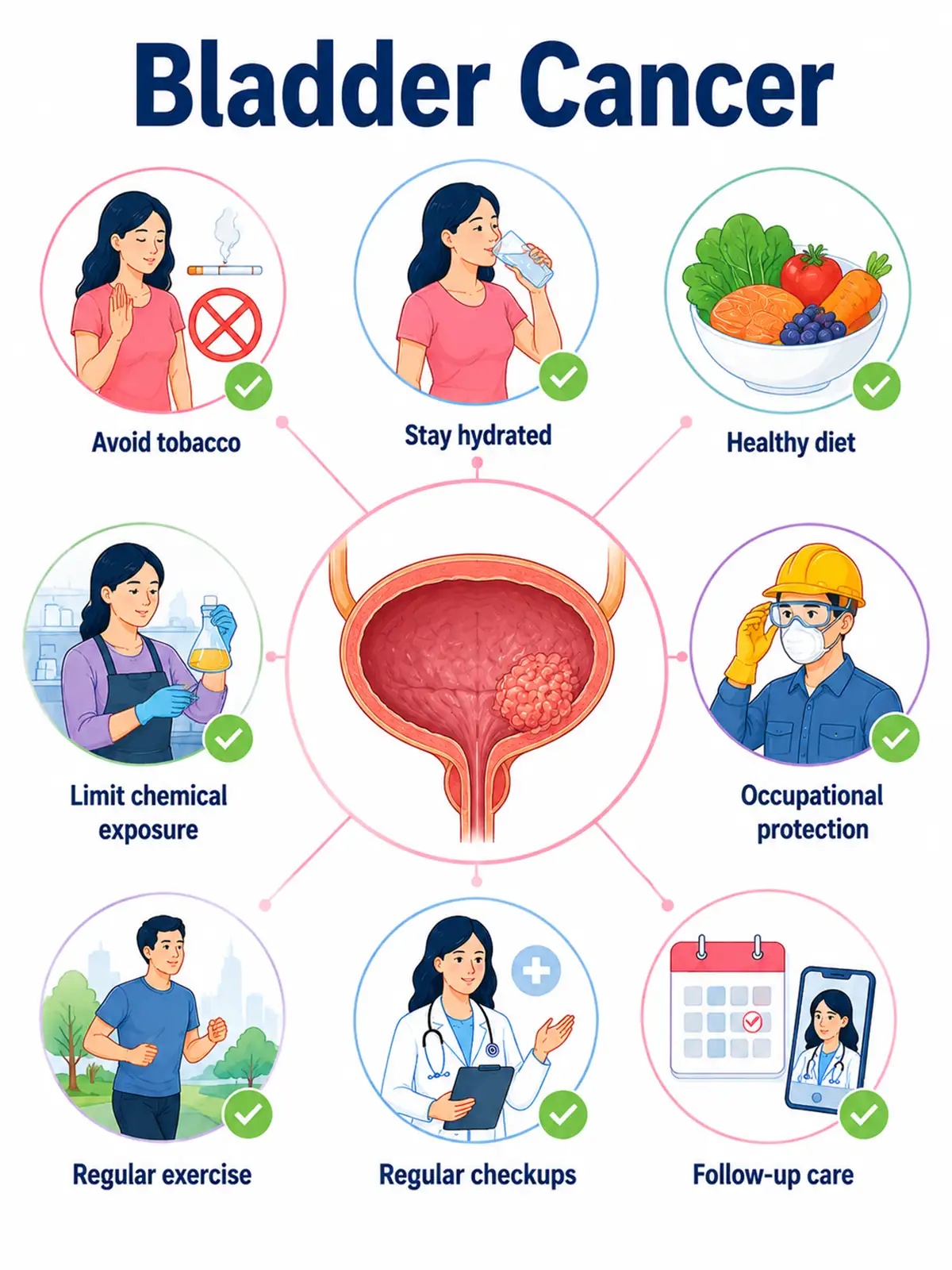
1. Smoking cessation
Smoking is the primary risk factor for bladder cancer; more than 70 carcinogens in tobacco are excreted in urine and irritate the bladder mucosa, but quitting smoking can significantly reduce the risk.
2. Occupational protection
Personnel working with dyes, rubber, leather, or aluminum processing should implement occupational protection measures; aromatic amines are known bladder carcinogens.
3. Drinking plenty of water
Drink over 2,000 ml of water daily to increase urine volume, dilute harmful substances in the urine, accelerate their excretion, and reduce their contact time with the bladder mucosa.
4. Avoiding holding urine
Develop the habit of urinating promptly; holding urine for long periods exposes the bladder lining to carcinogens in the urine for extended durations, increasing the risk of cancer.
5. Healthy diet
Increase the intake of vegetables and fruits rich in antioxidants; the isothiocyanates found in cruciferous vegetables can reduce the risk of developing bladder cancer.
6. Regular urinalysis
Individuals over the age of 50—particularly smokers and those with occupational exposure—should undergo annual routine urinalysis and urinary cytology to facilitate the early detection of hematuria and abnormal cells.
7. Avoiding contamination
Consume safe and sanitary water, avoid long-term exposure to water containing heavy metals like arsenic, and reduce damage to the bladder mucosa caused by chemical carcinogens.
Conclusion
Bladder cancer is caused by the combined effects of various factors, such as smoking and occupational exposure; it is a common and serious malignant tumor of the urinary system.Quitting smoking, implementing occupational safety measures, and undergoing regular urine tests are crucial for early detection and timely intervention.


