


1. Genetic screening
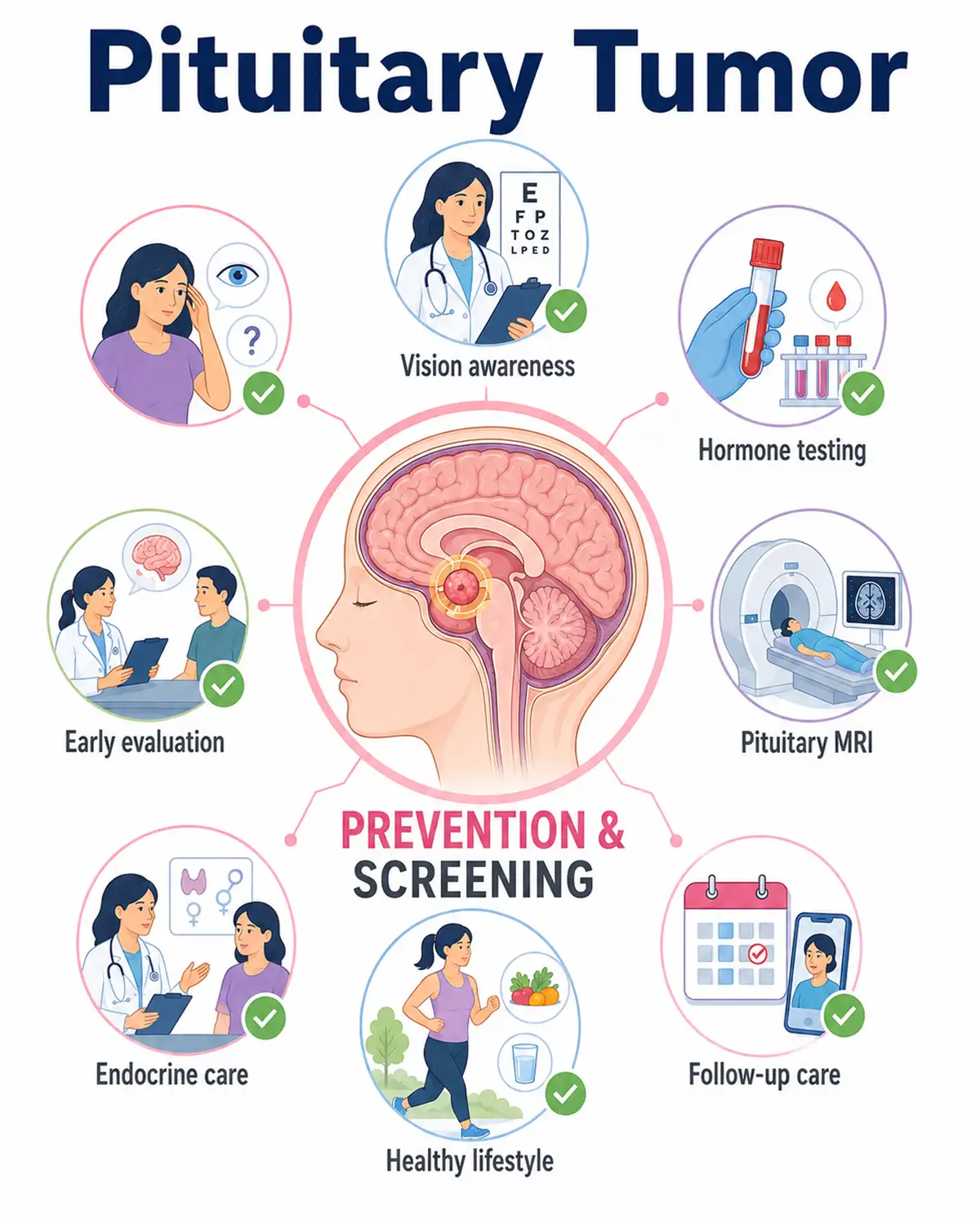
Individuals with a family history of multiple endocrine neoplasia (MEN) should undergo *MEN1* gene testing; carriers of *MEN1* mutations require lifelong monitoring of pituitary function.
2. Endocrine examination
Regularly monitor hormone levels such as prolactin, growth hormone, and cortisol; abnormally elevated levels may be early signs of a pituitary tumor.
3. Periodic imaging
High-risk individuals should undergo regular MRI scans of the sellar region; early detection of microadenomas allows for pharmacological control, avoiding surgery and improving treatment outcomes.
4. Avoiding radiation
Minimize unnecessary radiological examinations of the head and neck; although the link between radiation and pituitary tumors is less clear than with other tumors, caution is still advised.
5. Regular daily routine
Maintaining a regular daily routine and adequate sleep, while avoiding prolonged mental stress and excessive fatigue, helps stabilize the hypothalamic-pituitary axis.
6. Balanced diet
Maintain a balanced diet to avoid nutritional excess or deficiency; excessive obesity may affect hormone levels and indirectly promote the growth of pituitary tumors.
7. Monitoring symptoms
Seek medical attention promptly if symptoms such as headache, vision loss, menstrual irregularities, or acromegaly occur, as these may be clinical manifestations of a pituitary tumor.
Conclusion
Pituitary tumors result from the interplay of various factors, such as genetic mutations and hormonal imbalances. Although mostly benign, they can severely impair endocrine function.For individuals with a family history, genetic screening and regular endocrine check-ups are crucial to ensure early detection and timely intervention.


