


1. Avoidance of radiation
Minimize unnecessary radiological examinations and treatments, and specifically avoid radiation exposure during childhood; ionizing radiation is a definite causative factor for osteosarcoma.
2. Genetic screening
Individuals with a family history of Li-Fraumeni syndrome or hereditary retinoblastoma should undergo genetic counseling; these genetic conditions significantly increase the risk of osteosarcoma.
3. Treatment of Paget's disease
Patients with Paget's disease of bone require active treatment and regular monitoring; secondary osteosarcoma is a major complication of Paget's disease that warrants serious attention.
4. Monitoring bone pain
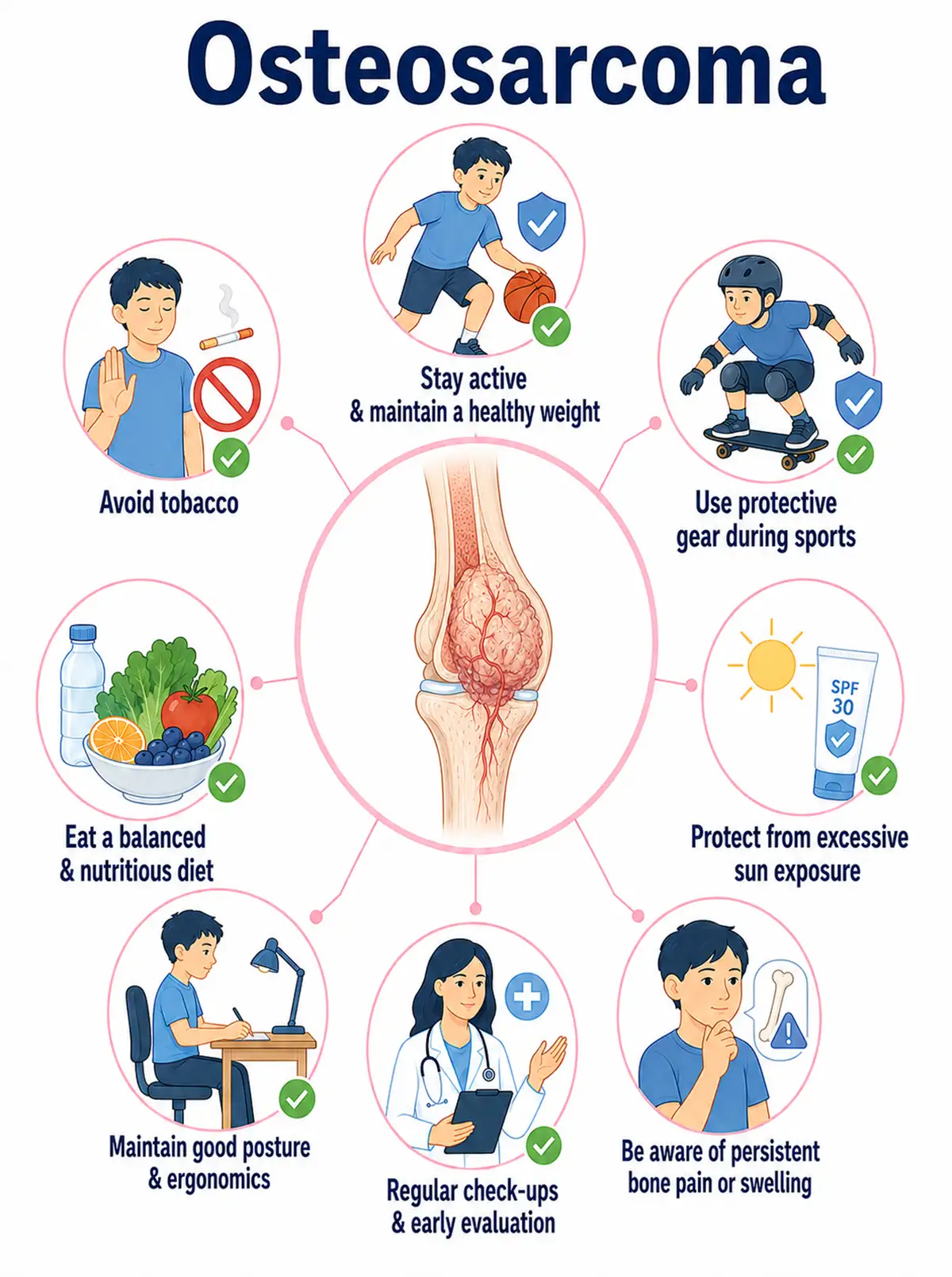
Adolescents with persistent bone pain (particularly pain that intensifies at night), localized swelling, or limited mobility should seek medical attention promptly; early detection can improve the rate of limb-salvage surgery.
5. Moderate exercise
Engaging in moderate exercise strengthens bones, but excessively strenuous activity that could cause skeletal injury should be avoided; care should be taken to protect joints during exercise.
6. Balanced nutrition
Ensuring sufficient intake of calcium, vitamin D, and protein supports normal bone development and the maintenance of bone density, thereby reducing the risk of disease.
7. Regular imaging
High-risk individuals should undergo regular skeletal X-ray or MRI examinations to detect abnormal bone signals early, allowing for timely assessment and management.
Conclusion
Osteosarcoma is caused by a combination of factors, including genetic mutations and radiation exposure;it is the most common malignant bone tumor in adolescents and poses a serious health risk. Avoiding radiation, paying attention to bone pain, and undergoing regular imaging examinations are essential for early detection and timely intervention.


