


Multiple myeloma is a tumor resulting from the malignant proliferation of plasma cells.Plasma cells are the terminally differentiated form of B lymphocytes responsible for producing antibodies involved in humoral immunity; in this disease, malignant plasma cells proliferate extensively in the bone marrow and produce monoclonal immunoglobulins.
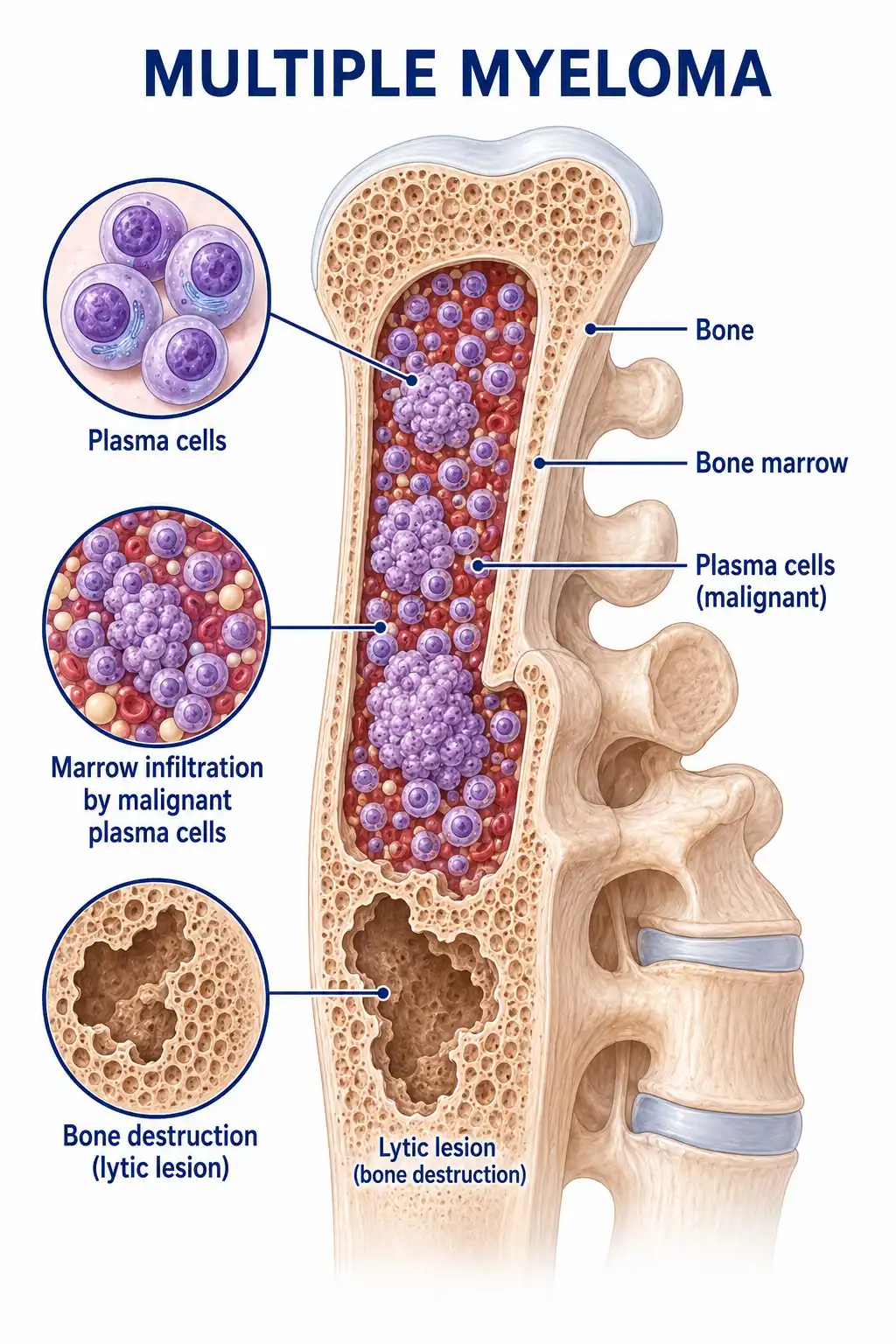
Global overview of myeloma
Multiple myeloma is the second most common hematologic malignancy, with an incidence rate of approximately 4–5 cases per 100,000 people annually.It predominantly affects the elderly (aged 65 and older), is more common in men than in women, and has a higher incidence among individuals of African descent.
Consult a doctor regarding cancer-related issues
Middle-aged or elderly individuals experiencing symptoms such as persistent bone pain, unexplained anemia, renal impairment, or recurrent infections should promptly consult a hematologist.
Main types of myeloma
1. IgG-type myeloma
The most common type, accounting for approximately 50% of cases; monoclonal IgG protein can be detected in both serum and urine.
2. IgA myeloma
The second most common type, accounting for approximately 20% of cases; the prognosis is slightly worse than that of the IgG type.
3. Light chain myeloma
Produces only light-chain proteins (accounting for approximately 20%); prone to causing renal impairment and amyloidosis.
4. IgD-type myeloma
Relatively rare, accounting for approximately 2% of cases; prognosis is poor, and it is often accompanied by extramedullary disease.
5. Non-secretory myeloma
Monoclonal protein is undetectable in serum and urine (occurring in approximately 3% of cases), and diagnosis relies on bone marrow biopsy.
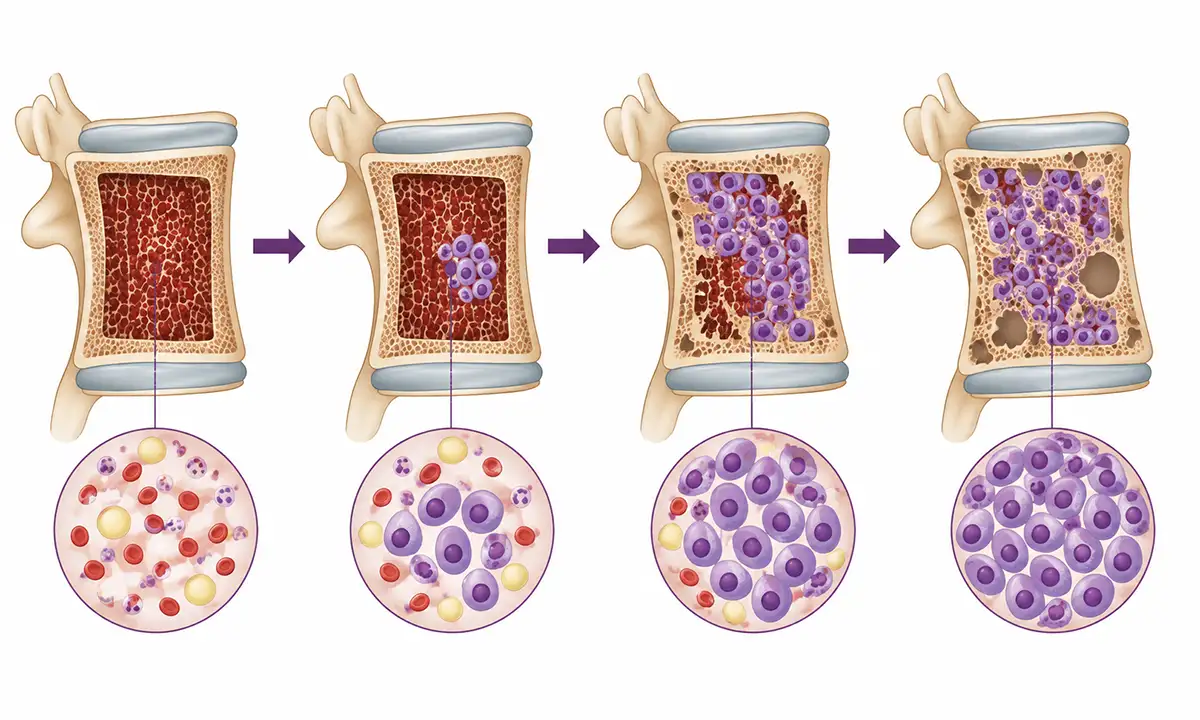
Typical symptoms and signs of myeloma
1. Bone pain
Persistent bone pain is the most common symptom; it typically affects the lower back, thorax, and pelvis, worsens with physical activity, and is pronounced at night.
2. Anemia
Infiltration of the bone marrow by malignant plasma cells suppresses hematopoiesis, resulting in pallor, fatigue, and palpitations upon exertion.
3. Renal function impairment
The deposition of light-chain proteins in the renal tubules leads to renal function impairment, manifesting as edema, oliguria, and azotemia.
4.Hypercalcemia
Bone destruction releases calcium ions into the bloodstream, leading to thirst, polyuria, constipation, and confusion.
5. Infection
A reduction in normal immunoglobulins leads to impaired immune function and recurrent bacterial and viral infections.
6. Pathological fracture
Osteolytic lesions reduce bone strength, making fractures possible even with minor trauma.
Diagnostic Methods for Myeloma
1. Serum protein electrophoresis
Serum protein electrophoresis can detect an M-protein spike and is an important screening tool for myeloma.
2. Immunofixation electrophoresis
Immunofixation electrophoresis can determine the type of M-protein, including its heavy and light chain types.
3. Bone marrow biopsy
Bone marrow aspiration and biopsy showing a plasma cell proportion greater than 10% serve as a key basis for diagnosis.
4. Imaging examination
Whole-body low-dose CT, MRI, or PET-CT can visualize osteolytic lesions and bone destruction.
5. Free light chain test
An abnormal serum free light chain ratio is a key indicator for diagnosis and monitoring treatment efficacy.
6. Cytogenetic testing
FISH testing detects cytogenetic abnormalities such as t(4;14), t(14;16), and del(17p), which are crucial for prognostic assessment.
What are the treatment methods for myeloma
1. Induction chemotherapy
A triplet regimen based on a proteasome inhibitor (bortezomib), an immunomodulatory agent (lenalidomide), and dexamethasone is currently the standard induction therapy.
2. Autologous stem cell transplantation
For patients eligible for transplantation, undergoing autologous hematopoietic stem cell transplantation following induction chemotherapy can significantly prolong progression-free survival and overall survival.
3. Maintenance therapy
Maintenance therapy with lenalidomide following transplantation can further prolong progression-free survival.
4. Targeted therapy
Proteasome inhibitors, immunomodulators, and CD38 monoclonal antibodies (such as daratumumab) are core targeted therapies for myeloma.
5. Bisphosphonates
Zoledronic acid or pamidronate sodium can inhibit bone destruction and reduce the occurrence of skeletal-related events.
6. Supportive care
Includes comprehensive measures such as correcting anemia, preventing and treating infections, preserving renal function, and preventing thrombosis.
7. Treatment for recurrence
Patients with recurrent disease may be treated with combinations of targeted therapies utilizing different mechanisms of action or may participate in clinical trials.
8. Follow-up monitoring
Regularly monitor serum M-protein, free light chains, and bone marrow status to evaluate treatment efficacy and detect recurrence early.
Conclusion
Multiple myeloma is a common hematologic malignancy; the application of targeted therapies and autologous stem cell transplantation has significantly improved patient survival and quality of life.


