


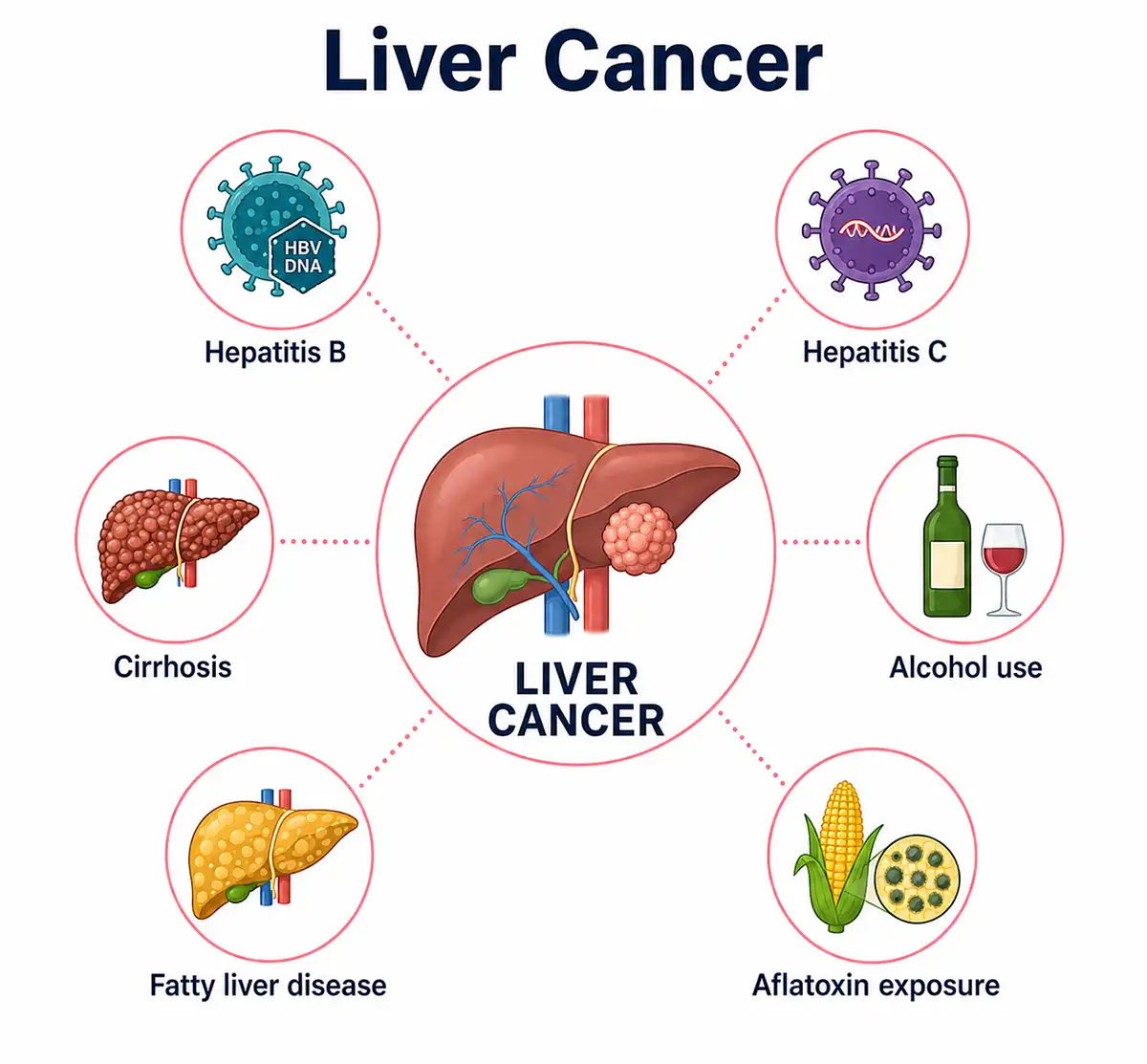
1. Hepatitis B infection
Chronic hepatitis B virus infection is the primary cause of liver cancer in my country; approximately 90% of liver cancer patients carry the hepatitis B virus, and viral integration can induce malignant transformation.
2. Aflatoxin
Aflatoxin B1 is one of the most potent carcinogens discovered to date;it primarily contaminates moldy peanuts and corn, and acts synergistically with hepatitis B infection to promote carcinogenesis.
3. Alcohol consumption factors
Long-term, heavy alcohol consumption can lead to alcoholic liver disease and cirrhosis, thereby increasing the risk of liver cancer; it is a primary cause of liver cancer in Europe and the United States.
4. Hepatitis C infection
Chronic hepatitis C virus infection can lead to chronic hepatitis and cirrhosis and is a major causative factor for liver cancer, particularly in Europe, the United States, and Japan.
5. Liver cirrhosis
Cirrhosis caused by various factors serves as a critical pathological basis for the development of liver cancer; hepatocytes may undergo malignant transformation during the process of repeated injury and repair.
6. Fatty liver
Non-alcoholic fatty liver disease can progress to steatohepatitis and cirrhosis; as obesity rates rise, the incidence of fatty liver-associated liver cancer is increasing year by year.
7. Genetic factors
Certain hereditary diseases, such as hemochromatosis and Wilson's disease, can increase the risk of liver cancer; genetic susceptibility plays a significant role in disease onset.
Conclusion
Liver cancer is caused by the combined effects of multiple factors, such as hepatitis B infection and aflatoxin exposure; it is a highly prevalent and dangerous malignancy worldwide.Early detection and timely intervention—achieved through hepatitis B vaccination, avoiding moldy foods, abstaining from alcohol, and undergoing regular ultrasound and alpha-fetoprotein (AFP) screening—are crucial.


