


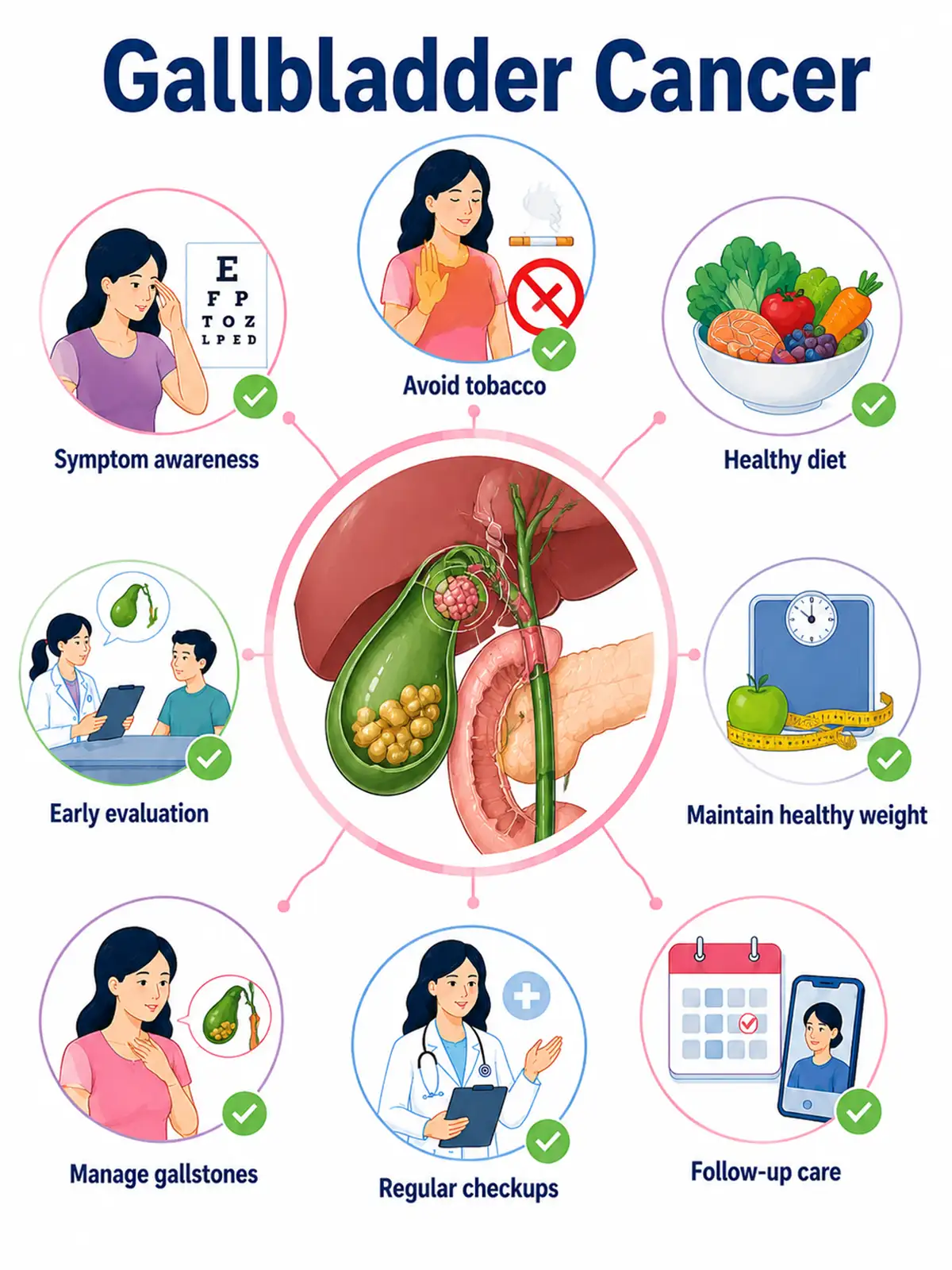
1. Treatment of calculi (stones)
Actively treat gallstones, particularly gallbladder-filling stones and porcelain gallbladder; long-term irritation by stones is the most significant pathogenic factor for gallbladder cancer.
2. Polyp management
Gallbladder polyps exceeding 1 cm in diameter—particularly adenomatous polyps—should be surgically removed promptly; vigilance is required due to the high risk of malignant transformation in large polyps.
3. Treatment of inflammation
Patients with chronic cholecystitis require standardized treatment; long-term chronic inflammation causes repeated injury and repair of the gallbladder mucosa, increasing the risk of malignant transformation.
4. Healthy diet
Reduce the intake of high-fat and high-cholesterol foods; increase the consumption of vegetables, fruits, and dietary fiber; and maintain a regular diet to avoid overeating, which can irritate the gallbladder.
5. Weight control
Obesity increases the risk of gallstones and gallbladder cancer; maintaining a healthy weight and engaging in regular exercise facilitate normal bile drainage and help reduce this risk.
6. Management of the pancreaticobiliary ducts
Congenital anomalous pancreaticobiliary junction requires timely surgical correction, as the reflux of pancreatic juice into the gallbladder is a major risk factor for gallbladder cancer.
7. Regular ultrasound
Women over the age of 40—particularly those with obesity—should undergo annual gallbladder ultrasound examinations to facilitate the early detection of gallbladder wall thickening and space-occupying lesions.
Conclusion
Gallbladder cancer results from the combined effects of multiple factors, such as gallstones and chronic inflammation; it is difficult to detect in the early stages and poses a serious health risk.Treating gallstones and polyps, along with undergoing regular ultrasound examinations to ensure early detection and timely intervention, is crucial.


