


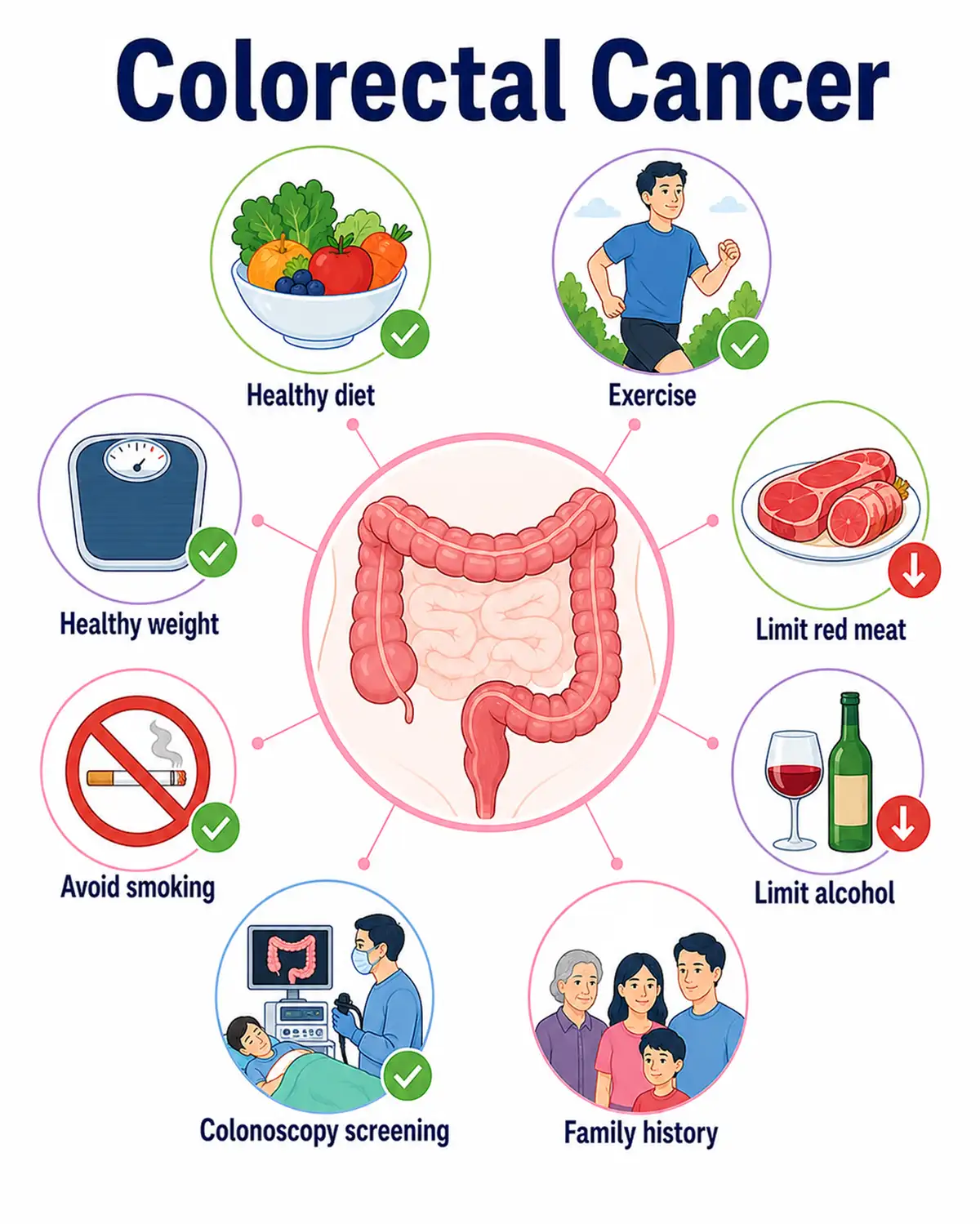
1. High-fiber diet
Increase the intake of vegetables, fruits, and whole grains; dietary fiber promotes intestinal motility, shortening the contact time between carcinogens and the intestinal mucosa, thereby reducing risk.
2. Reducing red meat intake
Reduce the intake of red meat and processed meats; consumption should be limited because heterocyclic amines and polycyclic aromatic hydrocarbons—produced during high-temperature cooking—are known intestinal carcinogens.
3. Weight control
Obesity, particularly abdominal obesity, increases the risk of colorectal cancer; maintaining a healthy weight and regular exercise can regulate insulin levels and lower the risk of developing the disease.
4. Smoking and alcohol cessation
Smoking and heavy alcohol consumption increase the risk of colorectal cancer; carcinogens in tobacco and alcohol can directly damage the intestinal mucosa and promote malignant cell transformation.
5. Regular exercise
Engage in at least 150 minutes of moderate-intensity exercise per week; exercise promotes intestinal motility, reduces inflammatory factors, and lowers the risk of colorectal cancer.
6. Regular colonoscopy
Individuals over the age of 45 should undergo regular colonoscopies; high-risk groups, such as those with a family history, should begin screening earlier. Early detection and timely removal of polyps can prevent progression to cancer.
7. Monitoring polyps
Adenomatous polyps are precancerous lesions for colorectal cancer;if polyps are detected, they should be promptly removed via endoscopy, followed by regular follow-up examinations to prevent recurrence and malignant transformation.
Conclusion
Colorectal cancer is a highly prevalent and serious malignancy worldwide.Increasing dietary fiber intake, managing body weight, and undergoing regular colonoscopies for early detection and timely intervention are crucial for improving prognosis.


