


1. High-fat diet
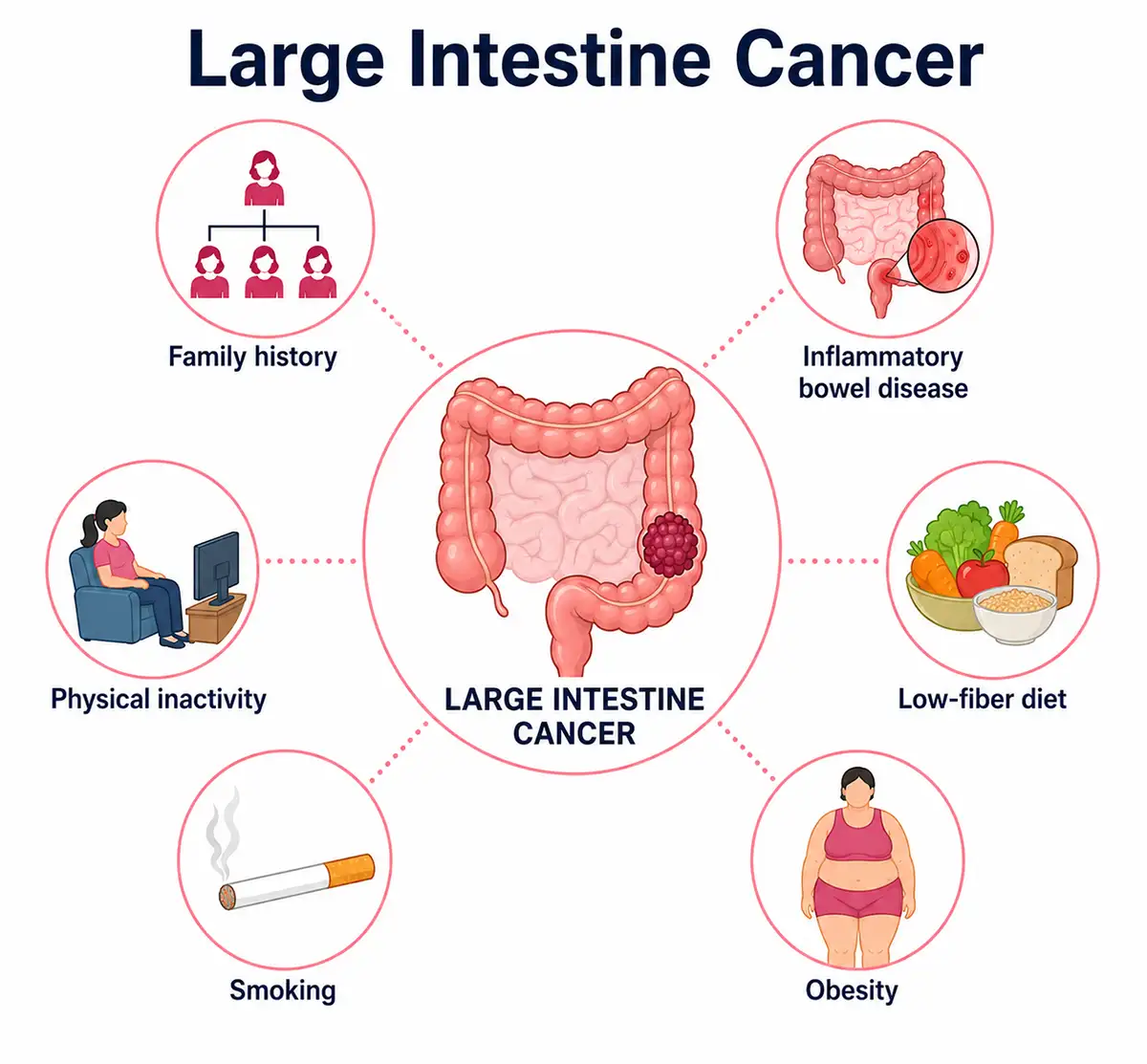
Long-term consumption of a diet high in fat and protein but low in fiber increases the risk of colorectal cancer; metabolites produced by gut microbiota can damage the intestinal mucosa.
2. Genetic factors
Approximately 5%–10% of colorectal cancers are linked to genetics; Lynch syndrome and familial adenomatous polyposis (FAP) are the primary hereditary colorectal cancer syndromes.
3. Inflammatory bowel disease
Chronic inflammatory bowel diseases, such as ulcerative colitis and Crohn's disease, persist over the long term; repeated cycles of mucosal inflammation and repair can increase the risk of malignant transformation.
4. Adenomatous polyp
Colorectal adenomatous polyps are established precancerous lesions; the risk of malignant transformation is particularly high for villous adenomas and polyps larger than one centimeter in diameter.
5. Processed meat
Long-term consumption of processed meats—such as sausages, ham, and cured meats—exposes individuals to nitrites and polycyclic aromatic hydrocarbons, which can increase the risk of colorectal cancer.
6. Obesity-related factors
Obesity, particularly abdominal obesity, increases the risk of colorectal cancer; insulin resistance and chronic inflammation promote the abnormal proliferation of intestinal cells.
7. Age factors
The incidence of colorectal cancer increases with age and is most common in people over fifty; however, a noticeable trend toward occurrence in younger populations has emerged in recent years and warrants attention.
Conclusion
Colorectal cancer is caused by a combination of factors, including a high-fat diet and genetic predisposition; it is a highly prevalent and dangerous malignancy worldwide.Improving dietary habits, controlling body weight, and undergoing regular colonoscopy screenings for early detection and timely intervention are crucial.


