


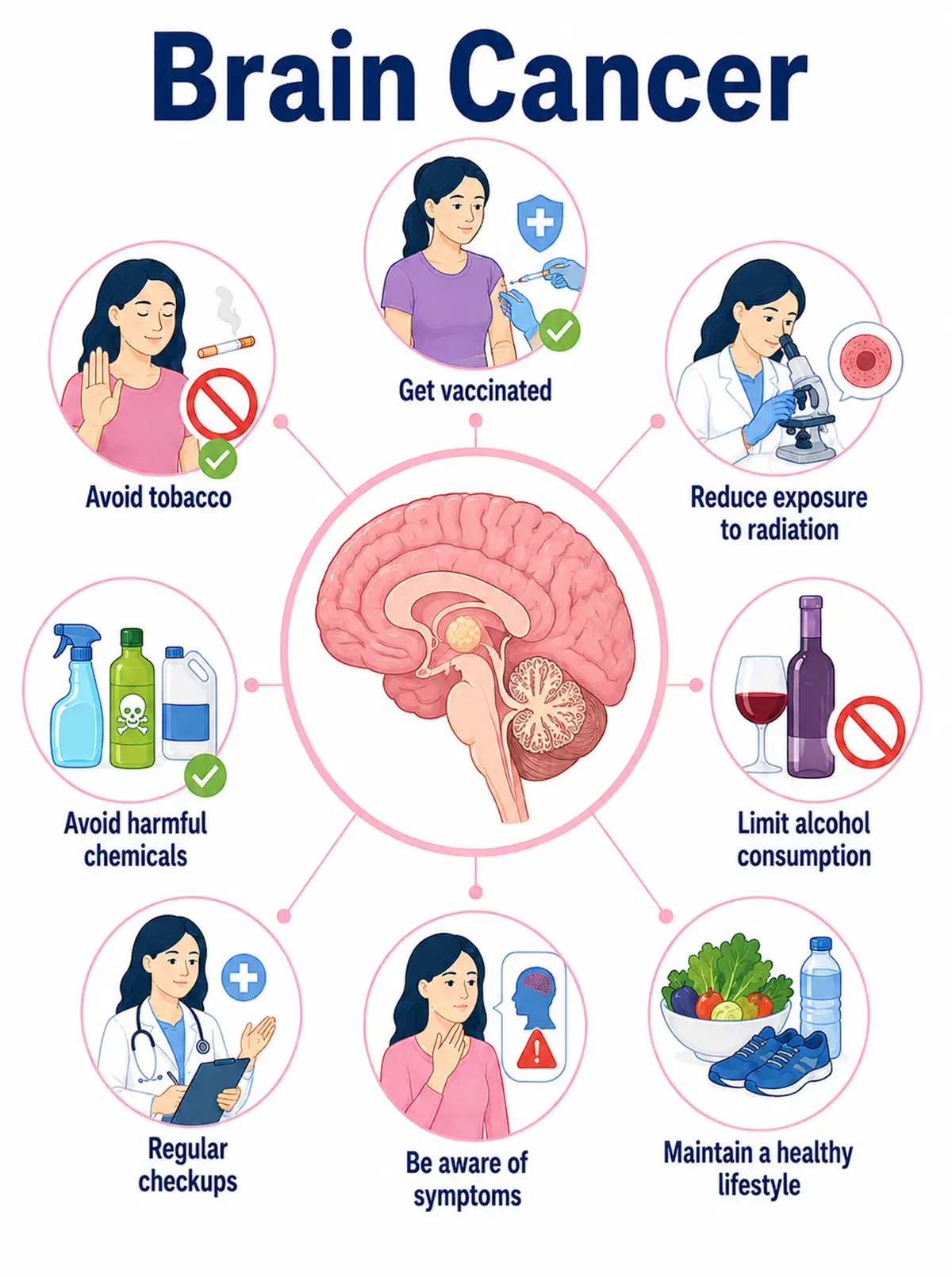
1. Avoidance of radiation
Minimize unnecessary radiological examinations of the head and neck, and ensure children avoid exposure to radiation sources; ionizing radiation is the only confirmed environmental risk factor for brain cancer.
2. Healthy diet
Reduce the intake of cured, smoked, and processed meats; these foods contain nitroso compounds that can be converted into carcinogens within the body, thereby increasing the risk of disease.
3. Smoking cessation and alcohol restriction
Smoking and excessive alcohol consumption increase the risk of cancer; carcinogens in tobacco can reach brain tissue via the bloodstream. Quitting these unhealthy habits reduces the risk.
4. Genetic counseling
Individuals with a family history of Li-Fraumeni syndrome or neurofibromatosis should undergo genetic counseling and genetic testing; high-risk individuals require enhanced surveillance.
5. Regular daily routine
Maintain adequate sleep and a regular daily routine; avoiding chronic sleep deprivation and mental stress helps maintain normal immune system function to combat tumors.
6. Moderate exercise
Engaging in moderate aerobic exercise weekly boosts immunity; exercise improves blood circulation and metabolism while lowering levels of inflammatory markers.
7. Monitoring symptoms
Seek medical attention promptly if symptoms such as persistent headache, nausea and vomiting, seizures, or limb weakness occur; early detection can improve treatment outcomes.
Conclusion
Brain cancer is caused by the combined effects of various factors, such as ionizing radiation and genetic mutations;it is the most common primary intracranial malignant tumor and poses a serious health threat.Avoiding radiation exposure, maintaining a healthy lifestyle, and undergoing regular check-ups for early detection and timely intervention are crucial.


