


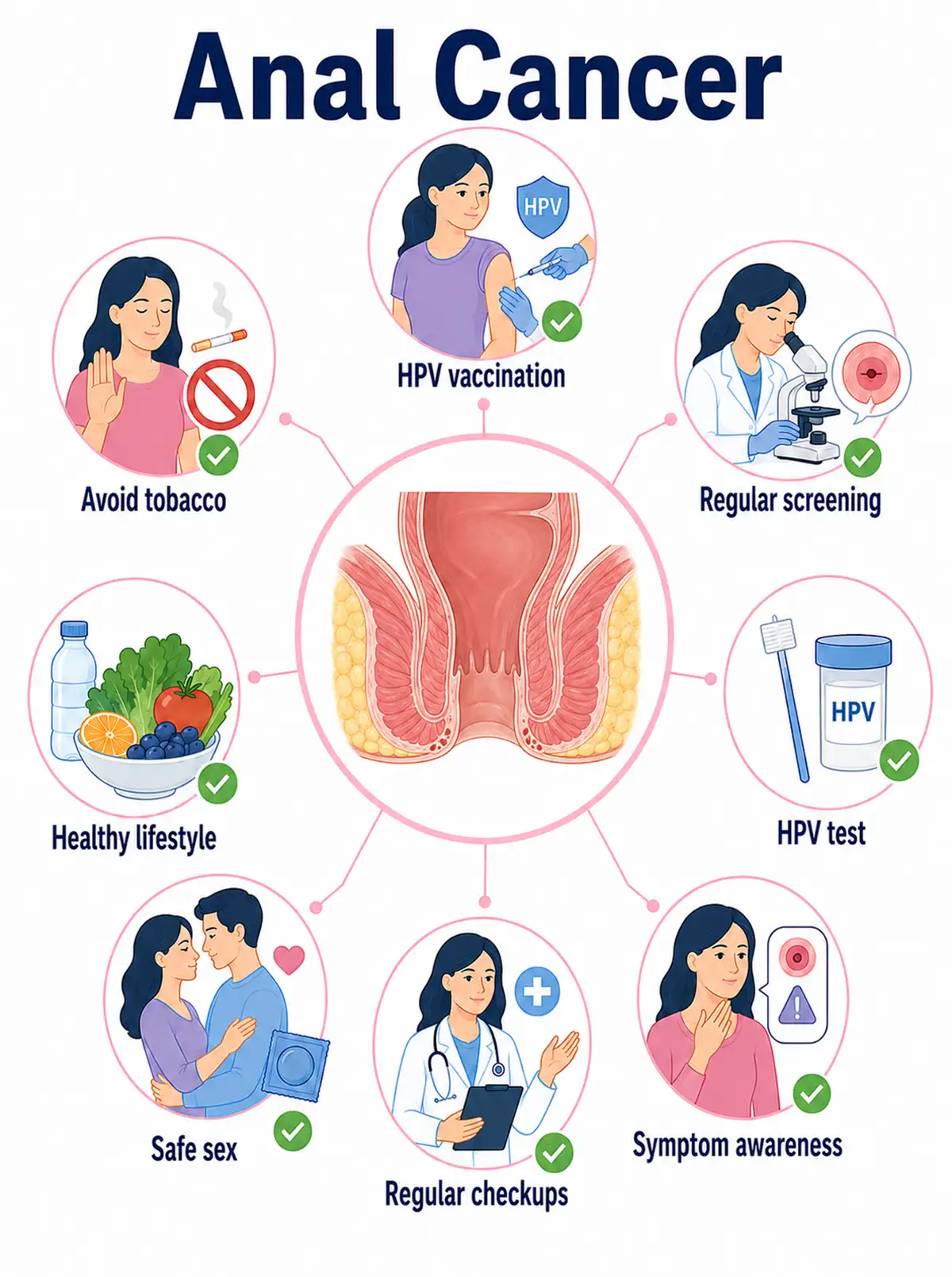
1. HPV vaccine
Vaccination against HPV in the appropriate age group can prevent HPV-related anal cancer; HPV type 16 is a primary causative factor for anal cancer.
2. Safe sexual practices
Limiting the number of sexual partners and using condoms correctly is important; anal intercourse increases the likelihood of HPV infection, thereby raising the risk of developing anal cancer.
3. Periodic screening
Individuals with HIV infection and men who have sex with men (MSM) should undergo regular anal cytology screening to facilitate the early detection and timely management of anal intraepithelial neoplasia.
4. Smoking cessation
Smoking increases the risk of anal cancer and suppresses immune function; quitting smoking helps improve local blood circulation and enhances immune surveillance.
5. Perianal treatment
Actively treat anal fistulas, anal fissures, and chronic perianal inflammation; prolonged chronic inflammation can lead to mucosal epithelial dysplasia, increasing the risk of malignant transformation.
6. HIV treatment
Individuals with HIV infection should receive standardized antiretroviral therapy to maintain immune function; an immunosuppressed state promotes persistent HPV infection, thereby increasing the risk of anal cancer.
7. Avoiding immunosuppression
Organ transplant patients should adjust immunosuppressant dosages under medical guidance and undergo regular anal screening to detect suspicious lesions early.
Conclusion
Anal cancer is caused by a combination of factors, including HPV infection and immunosuppression;although rare, it poses serious health risks.HPV vaccination, safe sexual practices, and regular anal screenings—enabling early detection and timely intervention—are crucial for improving prognosis.


