


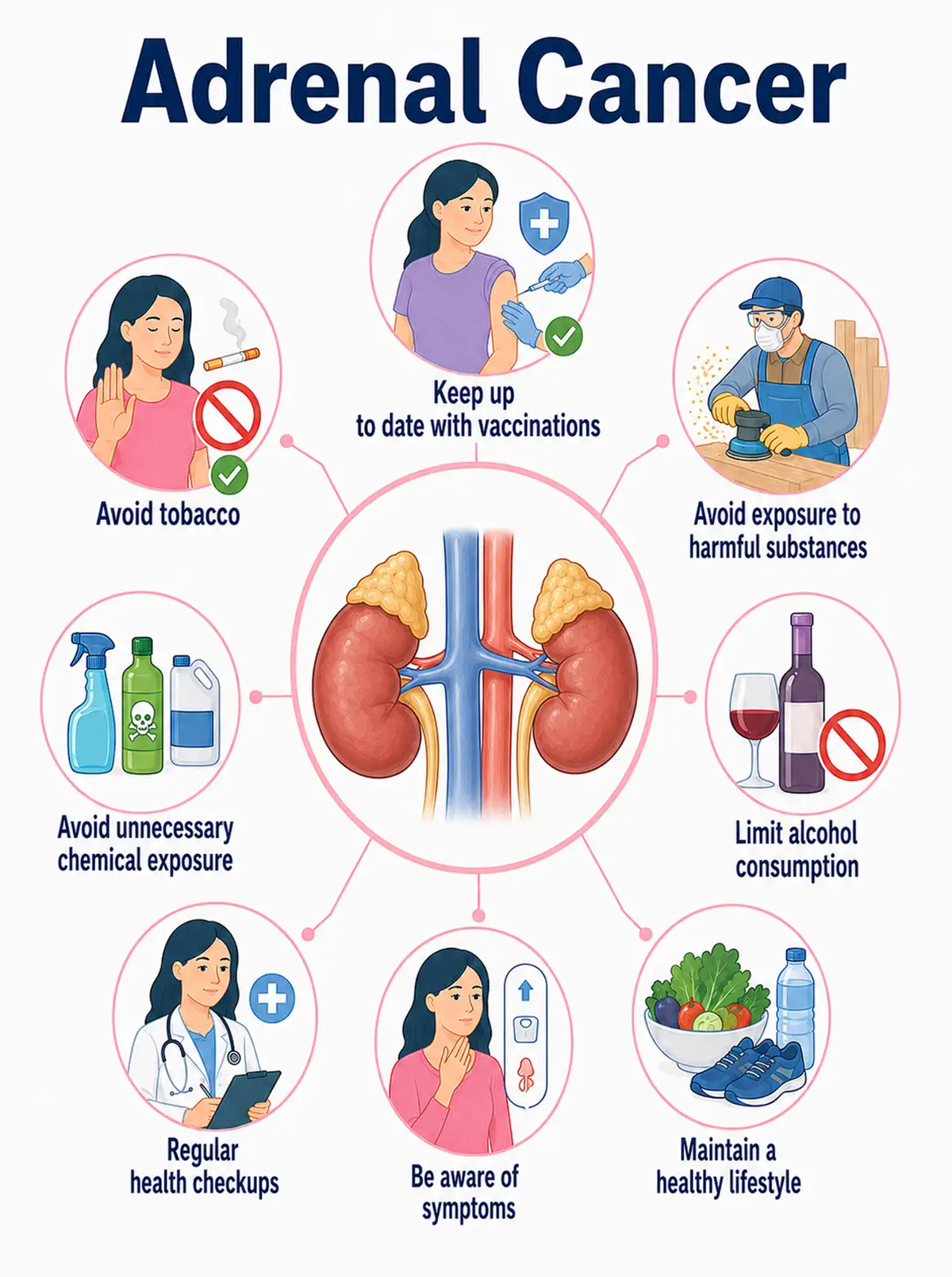
1. Genetic screening
Individuals with a family history of Li-Fraumeni syndrome, Lynch syndrome, or multiple endocrine neoplasia (MEN) should undergo genetic counseling and genetic testing.
2. Periodic imaging
Individuals at high genetic risk should undergo regular abdominal CT or MRI scans to detect adrenal masses early and ensure timely assessment.
3. Hormone monitoring
If symptoms of Cushing's syndrome or primary aldosteronism appear, cortisol and aldosterone levels should be tested; hormonal abnormalities suggest the possible presence of a tumor.
4. Avoiding radiation
Minimize unnecessary abdominal radiological examinations; radiation exposure should be avoided, especially during childhood, to reduce the risk of adrenal cell mutations.
5. Healthy living
Maintain a regular daily routine, a balanced diet, and moderate exercise; enhancing overall immune function helps resist tumor development.
6. Weight control
Children with Beckwith-Wiedemann syndrome require regular monitoring of growth and development, as the syndrome is closely associated with childhood adrenocortical carcinoma.
7. Monitoring symptoms
Seek medical attention promptly if an abdominal mass, weight changes, hypertension, or symptoms of hormonal imbalance occur, as these may be clinical manifestations of adrenocortical carcinoma.
Conclusion
Adrenocortical carcinoma is caused by a combination of factors, including TP53 gene mutations and genetic syndromes; although rare, it is highly malignant and poses a serious health threat.For individuals with a family history, genetic screening and regular imaging examinations are crucial for early detection and timely intervention.


