


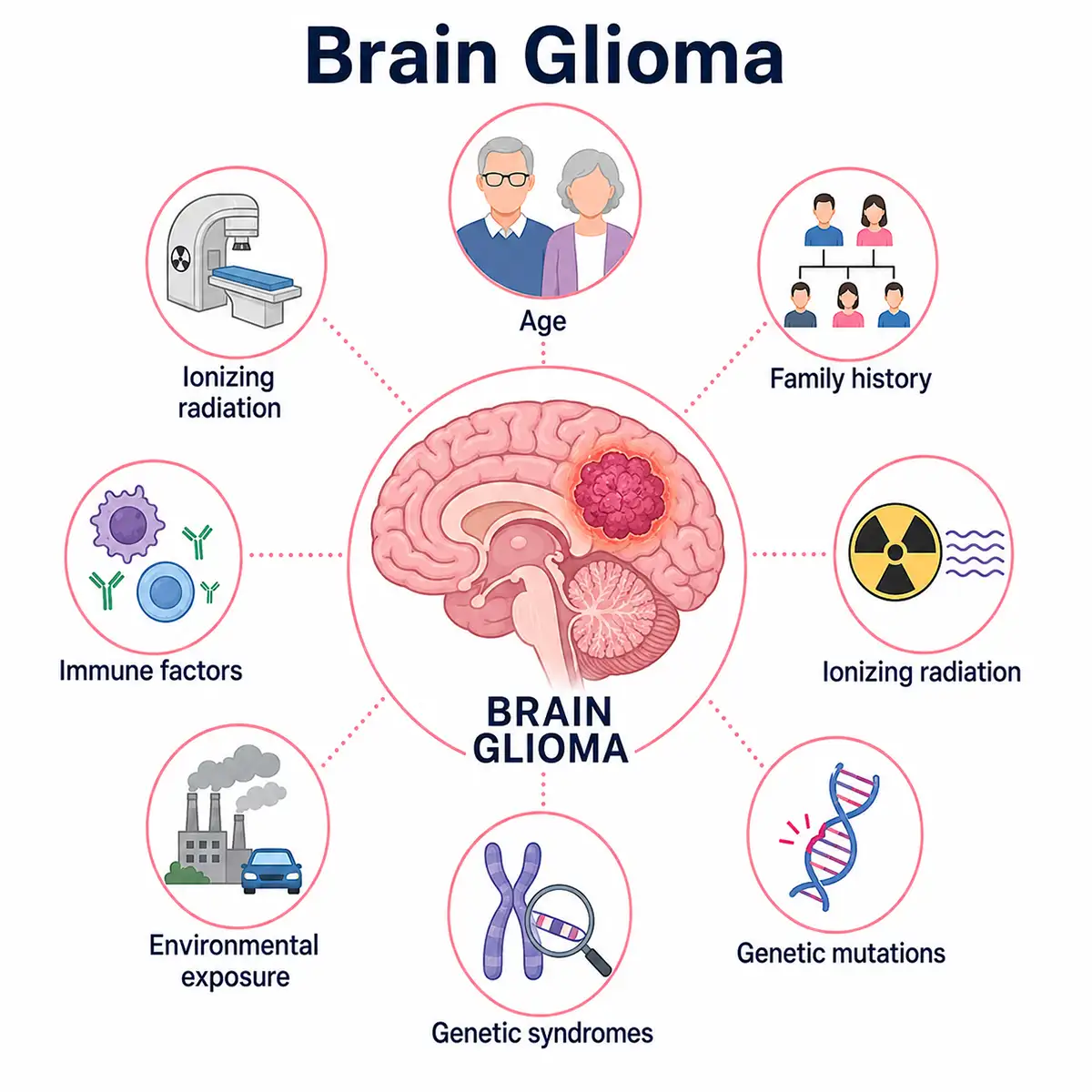
1. Ionizing radiation
Exposure to high-dose ionizing radiation is the only confirmed environmental risk factor for gliomas; the risk of developing the disease is significantly increased in individuals with a history of radiotherapy, with a latency period that can span decades.
2. Genetic factors
A small proportion of gliomas are hereditary; genetic disorders such as neurofibromatosis and Li-Fraumeni syndrome significantly increase the risk of developing gliomas.
3. Gene mutation
Mutations in genes such as IDH1, IDH2, and TP53 drive the development and progression of gliomas; distinct molecular subtypes exhibit unique genetic characteristics and prognostic profiles.
4. Nitroso compounds
Nitroso compounds in pickled foods and processed meats can be converted into potent carcinogens; long-term intake may increase the risk of developing brain gliomas.
5. Viral infection
Viral infections, such as cytomegalovirus, may contribute to the development of gliomas; viral genes can integrate into the host cell genome and disrupt normal regulatory processes.
6. Lifestyle
Unhealthy lifestyle habits, such as long-term smoking and alcohol consumption, may be associated with the development of gliomas; an unbalanced diet and a lack of physical exercise also increase the risk.
7. Environmental pollution
Workers exposed to air pollution over the long term, as well as their children, exhibit higher rates of glioma compared to the general population; this is associated with exposure to hydrocarbon compounds.
Conclusion
Gliomas are caused by a combination of factors, including ionizing radiation and genetic mutations;they are the most common type of malignant intracranial tumor and pose a serious health risk.Avoiding radiation exposure, maintaining a healthy lifestyle, and undergoing regular check-ups to ensure early detection and timely intervention are crucial.


