


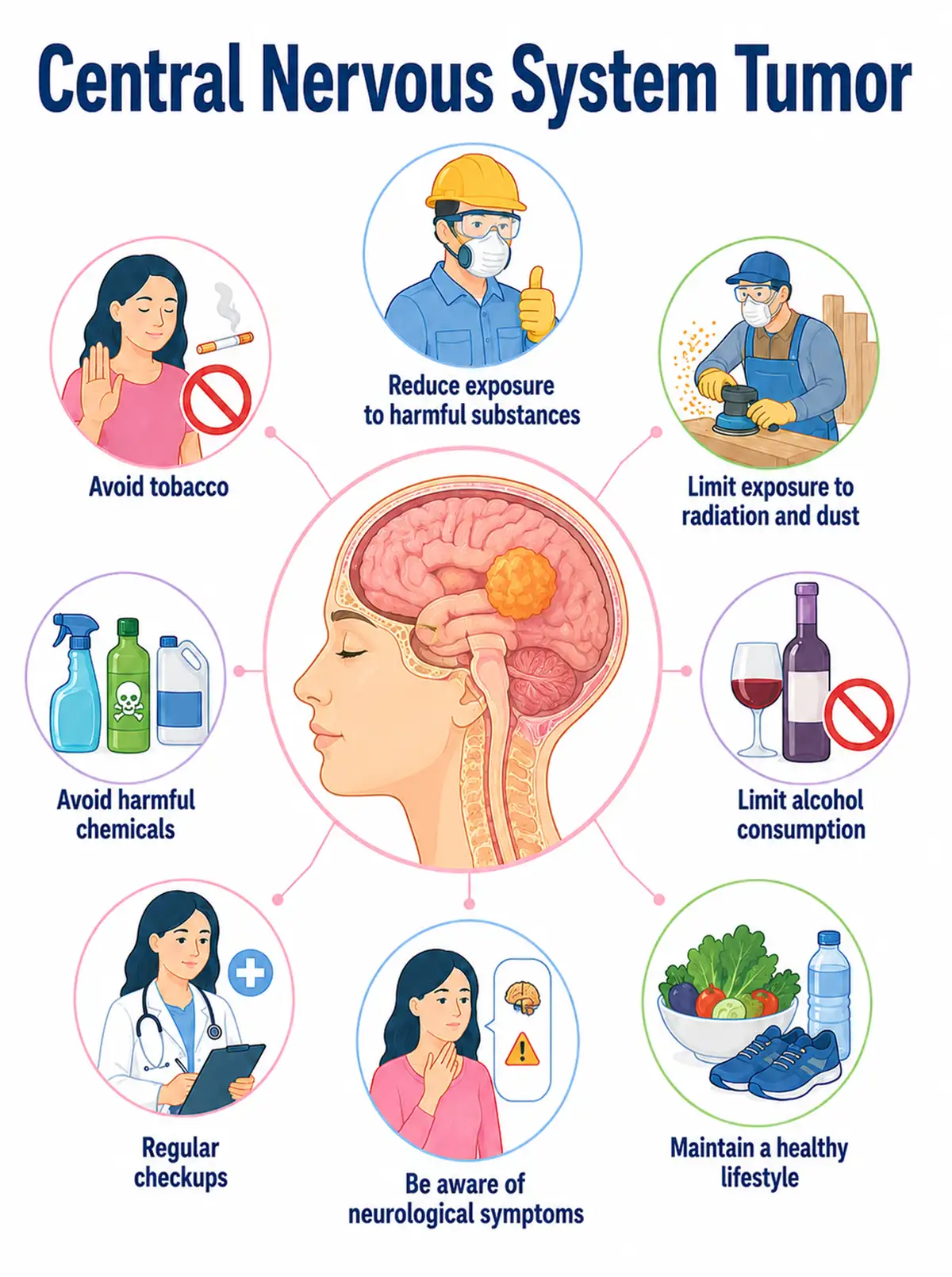
1. Avoidance of radiation
Minimize unnecessary radiological examinations of the head and neck, and ensure children avoid exposure to radiation sources; ionizing radiation is a definite risk factor for central nervous system tumors.
2. Genetic screening
Individuals with a family history of Li-Fraumeni syndrome, neurofibromatosis, or tuberous sclerosis should undergo genetic counseling and genetic testing.
3. Healthy diet
Reduce the intake of cured, smoked, and processed meats; these foods contain nitroso compounds that can be converted into carcinogens within the body, thereby increasing risk.
4. Smoking and alcohol cessation
Smoking and excessive alcohol consumption increase the risk of cancer; carcinogens in tobacco can damage the nervous system. Quitting these unhealthy habits reduces the risk of developing the disease.
5. Regular daily routine
Maintain adequate sleep and a regular daily routine; avoiding chronic sleep deprivation and mental stress helps maintain normal immune system function.
6. Moderate exercise
Moderate aerobic exercise performed weekly can boost immunity, improve cerebral blood flow and metabolism, and lower levels of inflammatory factors.
7. Regular imaging
Individuals with hereditary high-risk factors or neurological symptoms should undergo regular cranial MRI examinations; early detection of tumors allows for timely intervention.
Conclusion
CNS tumors result from the interplay of various factors, such as ionizing radiation and genetic syndromes; they can compress neural tissue and cause serious harm.Avoiding radiation exposure, undergoing genetic screening, and having regular imaging examinations are crucial for early detection and timely intervention.


