


1. Betel nut chewing
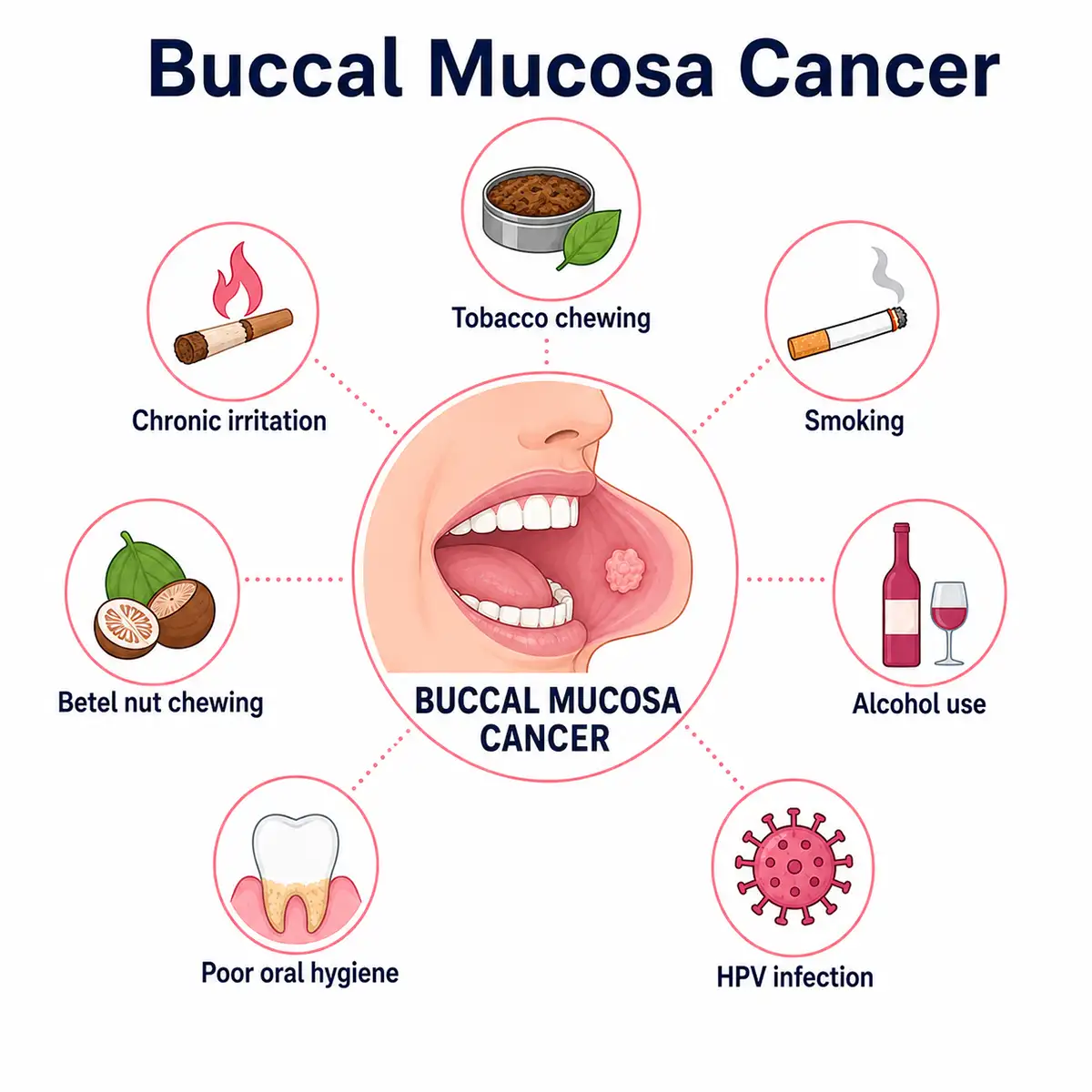
Long-term betel nut chewing is the leading risk factor for buccal mucosal cancer. Arecoline and arecaidine in betel nuts have established carcinogenic effects and can damage the mucosa.
2. Smoking and alcohol consumption
Tobacco carcinogens directly irritate the cheek mucosa, while alcohol acts as a solvent to promote carcinogen absorption. Together, they synergistically increase cancer risk.
3. Poorly fitted dental restorations
Sharp residual tooth roots, poorly fitted dentures, and metal restorations chronically irritate the cheek mucosa mechanically, potentially causing chronic inflammation and cancer.
4. Oral hygiene
Long-standing poor oral hygiene promotes bacterial and fungal growth. Carcinogens such as nitrosamines produced by these organisms can increase buccal mucosal cancer risk.
5. HPV infection
High-risk human papillomavirus infection is associated with some buccal mucosal cancers. Viral DNA can integrate into the host genome and promote malignant transformation.
6. Nutritional deficiencies
Insufficient fresh fruit and vegetable intake leads to vitamin and trace element deficiencies. Iron deficiency in particular can weaken oral mucosal defenses and promote malignant transformation.
7. Leukoplakia
Long-standing precancerous lesions such as oral leukoplakia and lichen planus may become malignant, especially when epithelial dysplasia is present.
Conclusion
Buccal mucosal cancer results from the combined effects of betel nut chewing, smoking, drinking, and other factors and can seriously impair eating and speech. Giving up betel nuts, tobacco, and alcohol, maintaining oral hygiene, and regular examinations for early detection and timely intervention are essential.


