


1. High-fiber, low-fat
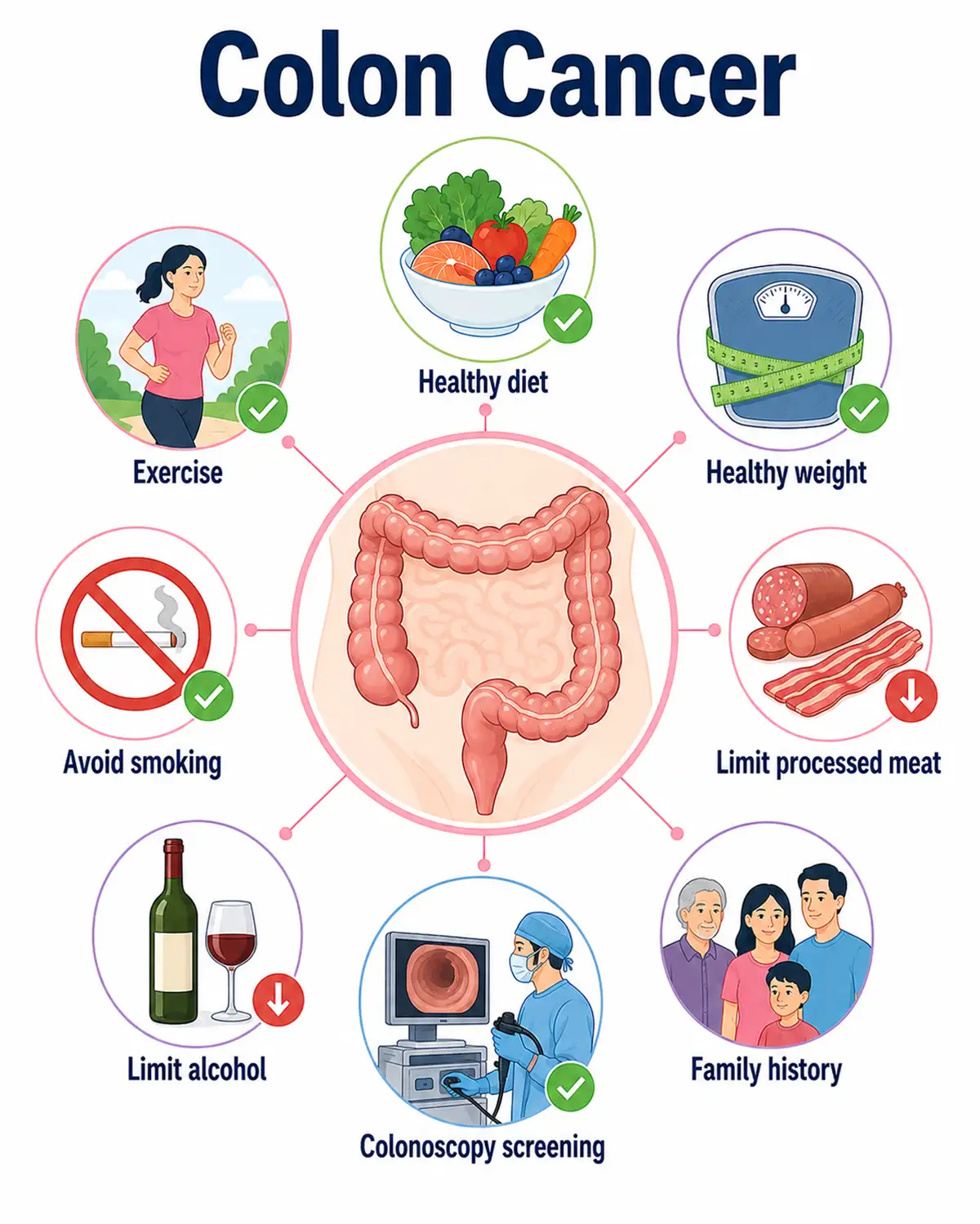
Increase dietary fiber intake and reduce animal fat; dietary fiber can bind to bile acids and carcinogens in the intestine, accelerating their excretion and thereby reducing risk.
2. Eat more fruits and vegetables
Consume at least five different colors of fruits and vegetables daily; the folate, calcium, and antioxidants they contain protect the colonic mucosa and reduce the risk of malignant transformation.
3. Vigorous exercise
Engage in at least 30 minutes of brisk walking or jogging daily; exercise promotes bowel motility and reduces the time carcinogens remain in the intestinal tract.
4. Blood glucose control
Patients with diabetes should strictly control their blood glucose levels; hyperinsulinemia can promote abnormal proliferation of colonic epithelial cells, increasing the risk of developing colon cancer.
5. Limit alcohol consumption
Excessive alcohol consumption increases the risk of colon cancer; limiting intake to no more than two drinks per day for men and one for women helps protect the intestinal mucosa.
6. Calcium and vitamin D supplementation
Adequate supplementation of calcium and vitamin D helps protect the colonic mucosa; studies indicate that sufficient calcium intake can reduce the recurrence rate of adenomas and the risk of malignant transformation.
7. Regular screening
Individuals over the age of 50 should undergo regular fecal occult blood testing and colonoscopy; those with a family history should begin screening earlier and shorten the interval between examinations.
Conclusion
Colon cancer is caused by a combination of factors, including poor diet and a lack of physical activity; early screening is highly effective.Improving dietary habits, engaging in regular exercise, and undergoing routine screening to ensure early detection and timely intervention are crucial.


