


The Body Cavity Hyperthermic Perfusion Therapy System is an oncology treatment device that combines hyperthermia technology with local chemotherapy, primarily used for treating malignant tumors in the abdominal cavity.The device consists of a constant-temperature heating system, a circulation and perfusion system, an intelligent control system, a multi-point temperature monitoring module, and a treatment workstation. It enables precise control of perfusion temperature, flow rate, pressure, and treatment duration, thereby enhancing the safety and efficacy of the treatment process.The system uses an external heating unit to heat the perfusion fluid (containing chemotherapy drugs) to the appropriate therapeutic temperature, then uses a circulation pump to continuously deliver it into the patient's body cavity; the fluid is subsequently recovered, filtered, reheated, and recirculated, ensuring the continuous action of the drug within the tumor region.
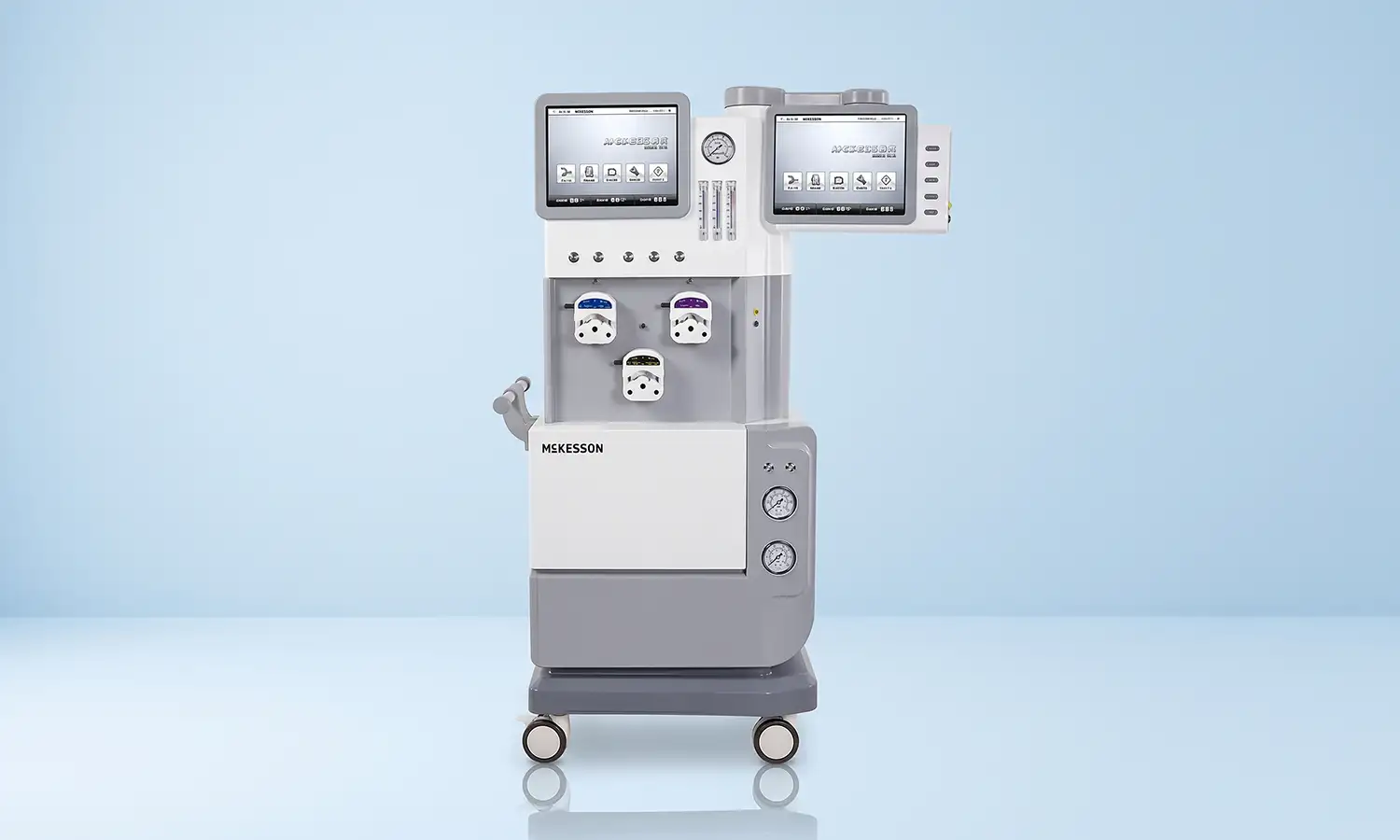
Core Technologies
What is a hyperthermic intracavitary perfusion therapy machine?
The Hyperthermic Intraperitoneal Chemotherapy (HIPEC) system is an intelligent medical device designed for the local treatment of malignant tumors. Its core concept integrates hyperthermia with local chemotherapy. By precisely heating a perfusion fluid containing chemotherapy drugs and continuously circulating it within the patient's body cavity, the system ensures thorough contact between the medication and the tumor site, thereby increasing local drug concentration.Simultaneously, the high-temperature environment enhances the sensitivity of tumor cells to the chemotherapy drugs, improving the ability to control free-floating cancer cells and microscopic residual lesions.
1. Constant heating and precise temperature control technology
The body cavity hyperthermic perfusion therapy machine features an intelligent constant-temperature control system. It uses a heating module to precisely raise the temperature of the perfusion fluid and incorporates temperature sensors to monitor temperature fluctuations in real-time.During treatment, the system sets a target temperature based on the treatment protocol, continuously monitors the fluid temperature, and automatically adjusts heating power to maintain stability.This precise temperature control technology ensures the drug solution acts continuously within the optimal temperature range, enhancing the anti-tumor effect while preventing damage to normal tissues caused by excessive heat, thereby improving treatment safety.
2. Circulatory perfusion and precise drug delivery technology
The body cavity hyperthermic perfusion therapy machine employs intelligent circulatory perfusion technology. It uses an extracorporeal circulation device to continuously deliver heated chemotherapy solution into the patient's body cavity while recovering and recirculating the fluid, ensuring the therapeutic solution acts continuously within the target area.This technology expands the contact area between the drug and both the tumor tissue and potential micrometastases, allowing the chemotherapy drug to cover the treatment zone more uniformly and mitigating the issue of uneven drug distribution often associated with traditional administration methods.During treatment, the device precisely controls circulation speed, perfusion pressure, and treatment duration to maintain a stable circulation state, providing a safer and more controllable environment for clinicians.Furthermore, the continuous circulatory perfusion mode helps maintain drug concentration within the treatment area, thereby enhancing local therapeutic efficacy.
3. Synergistic thermochemotherapy technology
Hyperthermic intraperitoneal chemotherapy enhances local anti-tumor efficacy through the synergistic effect of a high-temperature environment and chemotherapy drugs.Optimal temperatures increase tumor cell sensitivity to chemotherapy agents and improve drug uptake efficiency. Additionally, the treatment promotes local blood perfusion and improves tissue oxygenation, thereby optimizing the therapeutic environment within the tumor region.Clinically, this therapy is often administered in conjunction with tumor resection surgery; it can also be combined with other anti-tumor modalities based on the patient's specific condition, forming comprehensive treatment regimens such as "surgery combined with hyperthermic perfusion chemotherapy" or "tumor resection combined with HIPEC."This technology further reduces the risk of local postoperative recurrence, offering a more precise treatment option for patients with peritoneal metastases or tumors disseminated within the body cavity.
Scope of Indications
The Body Cavity Hyperthermic Perfusion Therapy System is primarily used for the comprehensive treatment of malignant tumors in body cavities and conditions associated with peritoneal metastasis.
1. Areas for treatment/adjunctive therapy
Field Primary Applications
Malignant peritoneal tumors Adjuvant therapy for peritoneal carcinoma and peritoneal metastases
Gastrointestinal tumors; treatment of peritoneal metastasis from gastric and colorectal cancers
Gynecologic Oncology: Intraperitoneal treatment for ovarian cancer and uterine malignancies
Abdominal tumors; comprehensive treatment for disseminated abdominal tumors
2. Suitable patient population
• Patients with abdominal malignancies and peritoneal metastases
For patients at risk of peritoneal seeding or free-floating abdominal cancer cells, hyperthermic intracavitary perfusion therapy utilizes local thermo-chemotherapy to enhance control over micrometastases.
• Patients requiring recurrence risk reduction after tumor resection
After tumor resection, some patients may still harbor residual cancer cells invisible to the naked eye.Hyperthermic intracavitary perfusion therapy can be administered postoperatively via local circulatory perfusion to further eliminate potential residual lesions.
• Patients requiring precise local treatment
For patients seeking to minimize the systemic side effects of chemotherapy while intensifying local treatment, this technology concentrates the drug's action on the target area, thereby enhancing treatment precision.
Core Strengths
Comparison Dimension Conventional Chemotherapy Hyperthermic Intracavitary Perfusion Therapy Machine
Administration method Systemic circulation Precise local intracavitary perfusion
Drug concentration Limited by systemic tolerability Maintains high local drug concentration
Treatment scope Difficult to precisely cover tiny peritoneal lesions Directly acts on body cavity regions
Temperature control Synergistic hyperthermia Precise, constant-temperature hyperthermia
Treatment modality: Monotherapy vs. Combined hyperthermia and chemotherapy.
Treatment precision Relies on drug distribution Targeted circulatory perfusion
Conventional Chemotherapy Methods
Conventional chemotherapy typically involves intravenous or systemic administration, requiring the drug to circulate throughout the body before reaching the target lesion.Due to systemic tolerance limits, there are constraints on increasing drug concentration; consequently, drug coverage and efficacy regarding minute lesions in specific areas—such as the abdominal cavity—may be compromised.Moreover, conventional chemotherapy relies primarily on the pharmacological action of the drug itself, representing a relatively singular treatment modality.
Body Cavity Hyperthermic Perfusion Therapy System
The body cavity hyperthermic perfusion therapy machine utilizes precise local cavity perfusion to deliver chemotherapy drugs directly to the target area, maintaining high drug concentrations within the cavity and enhancing contact between the drug and the lesion tissue.Compared to traditional chemotherapy, this technology integrates constant-temperature hyperthermia; through precise temperature control, it enables the combined application of hyperthermia and chemotherapy, thereby improving the therapeutic environment and increasing the sensitivity of tumor cells to the drug treatment.Additionally, the directional circulatory perfusion mode enhances treatment precision and reduces systemic drug exposure, offering a more accurate local treatment option for patients with conditions such as abdominal tumors and peritoneal metastases.
FAQ
1. How is hyperthermic body cavity perfusion therapy performed?
Treatment involves circulating a heated perfusion fluid within the abdominal cavity or other body cavities according to a set protocol, utilizing catheters placed intraoperatively, retained postoperatively, or inserted via puncture.The medical team determines whether to add medication, as well as the perfusion route, temperature, and duration parameters, based on the patient's condition.
2. Which patients might be considered for hyperthermic intracavitary perfusion therapy?
Patients with peritoneal or other intracavitary tumors, or those at risk of recurrence or malignant effusion, may be evaluated for inclusion in a comprehensive treatment plan.Feasibility depends on the primary disease, extent of the lesion, organ function, prior treatments, and the suitability for catheter placement.
3. Does intracavitary hyperthermic perfusion require anesthesia or hospitalization?
Intraoperative thermal perfusion is typically performed concurrently with surgery and anesthesia; treatments administered via indwelling catheters or percutaneous puncture often require inpatient observation. Specific arrangements regarding anesthesia, analgesia, and hospitalization depend on the procedure, medication used, and the patient's physical condition.
4. What discomfort or risks might arise from intracavitary hyperthermic perfusion?
Abdominal distension, abdominal pain, nausea, fever, and changes in fluid or electrolyte levels may occur during or after treatment; if combined with chemotherapy drugs, monitoring for associated adverse drug reactions is also required.The medical team monitors vital signs, perfusion status, and relevant laboratory markers.
5. How do I inquire about hyperthermic intracavitary perfusion therapy?
To determine your suitability for hyperthermic intracavitary perfusion therapy, you may submit medical records such as pathology reports, recent imaging, records of past surgeries and drug therapies, and results of liver and kidney function tests and other relevant laboratory analyses.Doctors will evaluate the indications for treatment based on factors such as tumor type, the extent of the lesion, organ function, and comprehensive treatment goals.