


The external high-frequency hyperthermia machine is a device used in comprehensive tumor therapy, primarily for the adjuvant treatment of malignant tumors.The system consists mainly of a high-frequency generation system, treatment electrodes, an intelligent control system, a temperature monitoring module, and a treatment workstation; it enables the adjustment of treatment parameters, monitoring of the treatment process, and safe temperature control management.The system generates a deep-tissue thermal effect using high-frequency electromagnetic fields, raising the temperature in the tumor region. By exploiting the heat sensitivity of tumor cells, it improves the local blood flow environment, enhances drug delivery efficiency, and boosts the efficacy of radiotherapy and chemotherapy.
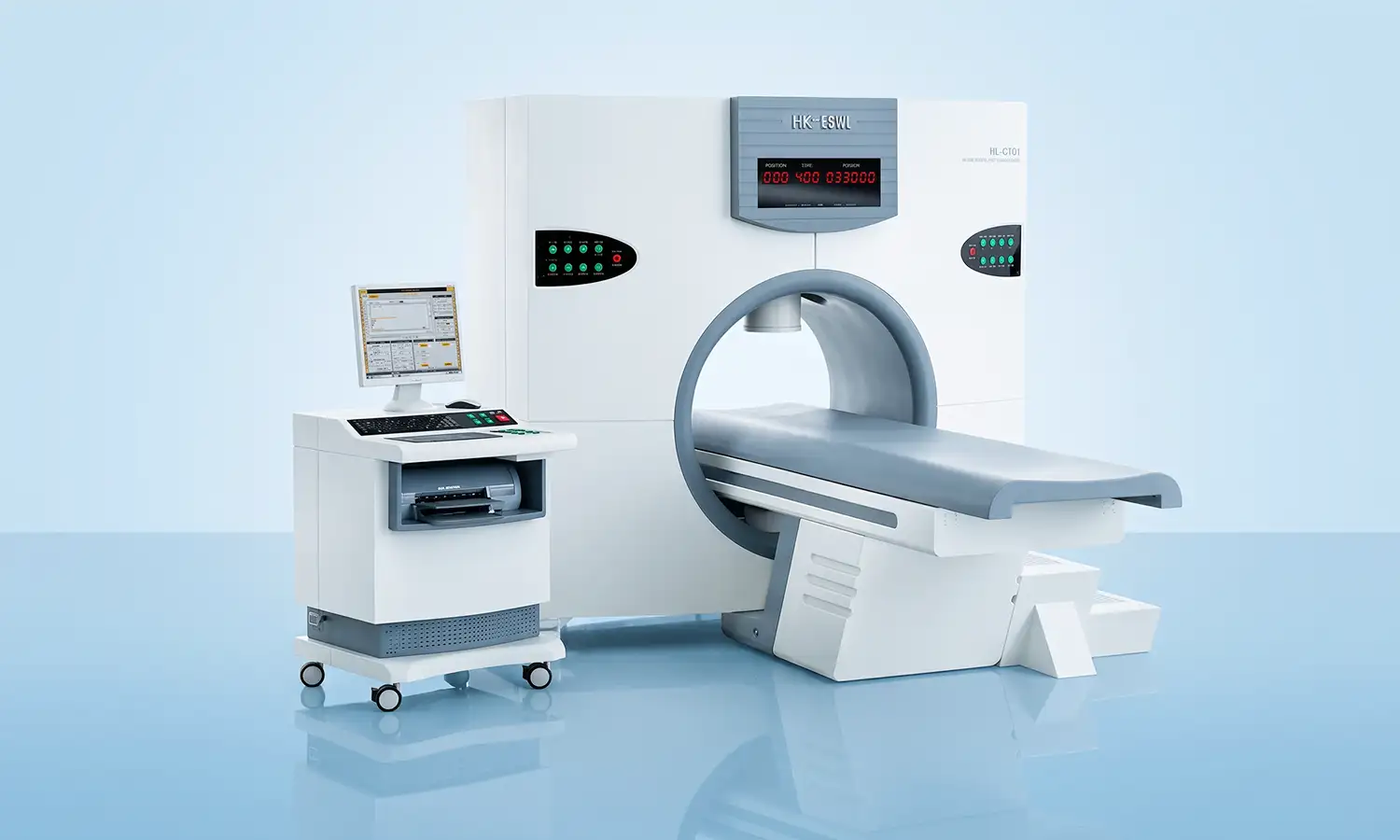
Core Technologies
What is an external high-frequency hyperthermia machine?
The external high-frequency hyperthermia machine is a device used for adjuvant tumor therapy that employs high-frequency electromagnetic energy to provide local or regional heating.Its core principle involves generating an electromagnetic field via high-frequency current, causing polar molecules within human tissue to move at high speeds and generate heat, thereby raising the temperature of the treatment area.Unlike traditional physical heating methods, high-frequency hyperthermia enables energy delivery to deep tissues.
Features include precise heating of the treatment area, real-time temperature monitoring, and individualized adjustment of treatment parameters.External high-frequency hyperthermia serves as a key adjunct to comprehensive tumor therapy, often combined with radiotherapy or chemotherapy to enhance local treatment efficacy.
1. Precise heating using high-frequency electromagnetic energy
The system utilizes a high-frequency generator to produce electromagnetic energy at a specific frequency, delivering it to the target area of the body via treatment electrodes.1. Precision heating technology using high-frequency electromagnetic energy
External high-frequency hyperthermia machines generate electromagnetic energy at specific frequencies via a high-frequency generation system and apply it to the target treatment area of the human body.During treatment, the high-frequency energy penetrates the tissue, inducing rapid movement of polar molecules and generating heat through energy conversion. This raises the temperature in the treatment zone, thereby improving the tumor microenvironment and enhancing the effectiveness of comprehensive treatments such as radiotherapy and chemotherapy.The technology allows for the adjustment of the energy application range based on the specific needs of the patient and the treatment site, enabling targeted heat delivery. It supports the treatment of tumors in various locations and effectively mitigates issues regarding uneven temperature distribution often associated with traditional heating methods.
2. Intelligent temperature control and real-time monitoring technology
External high-frequency hyperthermia machines are equipped with an intelligent temperature monitoring system that provides real-time feedback on temperature changes in the treatment area and dynamically displays the treatment status via temperature curves.The system automatically adjusts output power based on actual treatment conditions to precisely control the temperature, preventing local tissue overheating and ensuring a safer, more stable treatment process.Through real-time monitoring and intelligent regulation, physicians can maintain an optimal therapeutic temperature range, thereby enhancing patient comfort while ensuring treatment efficacy.
3. Tumor treatment sensitization technology
High-frequency hyperthermia not only acts directly on tumor tissue to produce a thermal effect but also enhances the overall therapeutic outcome by improving the tumor's local microenvironment.During treatment, the thermal effect promotes local blood perfusion, increases tissue oxygenation, and alleviates hypoxia in the tumor region; this enhances the tumor-killing efficacy of radiation therapy and boosts the effectiveness of certain chemotherapy drugs.Consequently, high-frequency hyperthermia is frequently used as a key adjunct in comprehensive cancer care, combined with radiotherapy, chemotherapy, and immunotherapy. These multimodal regimens—such as "radiotherapy + hyperthermia," "chemotherapy + hyperthermia," and "immunotherapy + hyperthermia"—provide cancer patients with more precise and highly effective comprehensive treatment strategies.
Scope of Indications
External high-frequency hyperthermia machines are primarily used as an adjuvant therapy for malignant tumors.
1. Areas for treatment/adjunctive therapy
Field Primary Applications
Comprehensive tumor treatment; enhancing therapeutic efficacy through integration with radiotherapy and chemotherapy
Pelvic tumors Adjuvant therapy for cervical cancer, rectal cancer, bladder cancer, etc.
Abdominal tumors Adjuvant to comprehensive treatment for liver cancer, pancreatic cancer, etc.
Superficial and localized tumors: Local control and palliative treatment
2. Suitable patient population
• Patients requiring comprehensive anti-tumor therapy
For patients with malignant tumors requiring radiotherapy or chemotherapy, high-frequency hyperthermia serves as an adjunctive therapy, enhancing treatment sensitivity by raising the temperature of the local treatment environment.
• Patients with locally advanced or recurrent tumors
For patients with locally advanced, recurrent, or unresectable tumors, high-frequency hyperthermia can serve as an adjunct therapy to enhance local treatment outcomes and improve overall therapeutic benefits.
• Patients seeking greater comfort during treatment
External high-frequency hyperthermia is a non-invasive treatment modality; it requires no surgical incision, as the treatment is administered via an external device.
Core Strengths
Comparison Dimension Conventional Adjuvant Therapy External High-Frequency Hyperthermia Machine
Treatment Modality Monotherapy Combined Radiotherapy and Chemotherapy
Energy Application: Passive heating | Precise high-frequency electromagnetic heating
Temperature control Real-time adjustment challenges Real-time monitoring and intelligent temperature control
Treatment Experience Some methods are invasive Non-invasive treatment
Degree of personalization Adjustment based on experience Precise control via parameters
Overall effect Acts independently Enhances sensitivity to radiotherapy and chemotherapy
Traditional Adjunctive Treatment Methods
Traditional adjuvant tumor therapies typically employ a single-modality approach, relying on conventional methods to manage the lesion.Certain hyperthermia treatments struggle to achieve precise, continuous heat regulation due to limitations in energy distribution and temperature control.Additionally, treatment plans are often adjusted based on physician experience with limited personalization, making it difficult to fully realize the benefits of combined therapies.
External high-frequency hyperthermia machine
External high-frequency hyperthermia machines achieve precise heating using high-frequency electromagnetic energy. They allow for the adjustment of the thermal field distribution based on treatment requirements and utilize real-time temperature monitoring for intelligent temperature control, thereby enhancing the stability and safety of the treatment process.Compared to traditional adjuvant therapies, these machines can be integrated into comprehensive treatment regimens alongside radiotherapy and chemotherapy; they improve overall therapeutic outcomes by modifying the tumor microenvironment and increasing the sensitivity of tumor cells to treatment.Furthermore, the non-invasive nature of the therapy reduces the burden on patients, while parametric control enables more personalized treatment plans.
FAQ
1. How is external high-frequency hyperthermia performed?
During treatment, the device delivers high-frequency electromagnetic energy to the target area from outside the body, raising the temperature of local tissues within a controlled range.The treatment team sets parameters based on the lesion's location, the patient's body habitus, and their tolerance, while monitoring the patient's response during the procedure.
2. Does high-frequency hyperthermia "burn away" the tumor?
External high-frequency hyperthermia is typically part of a comprehensive cancer treatment plan; it aims to achieve therapeutic effects or enhance the efficacy of radiotherapy and chemotherapy through moderate temperature elevation, rather than directly ablating or removing the tumor. Decisions regarding its use and combination with other therapies should be made by an oncologist.
3. Will it be painful during the treatment?
Some patients may feel localized warmth, sweating, or mild discomfort; tolerance varies from person to person.If you experience significant burning pain, palpitations, dizziness, or other discomfort, notify the staff immediately so that the treatment can be paused or the parameters adjusted.
4. What conditions require special mention before treatment?
Patients with cardiac pacemakers or other electronic implants, metal implants in the treatment area, broken skin or sensory impairment, as well as those with severe cardiopulmonary disease, fever, bleeding risks, or pregnancy, must inform the doctor in advance and undergo a safety assessment.
5. How do I inquire about external high-frequency hyperthermia therapy?
To determine your suitability for external high-frequency hyperthermia therapy, please prepare medical records such as pathology reports, recent imaging, records of past radiotherapy and chemotherapy, information on any internal implants, and details regarding underlying medical conditions.Physicians evaluate treatment indications based on the tumor type, lesion location, comprehensive treatment plan, and patient tolerance, and then formulate an appropriate course of treatment.