


Indications and Available TCM Procedures
1. Target population
• Patients before or after surgery suffering from Qi and blood deficiency and slow wound healing, requiring constitutional conditioning and relief from fatigue or poor appetite.
• Patients experiencing adverse reactions—such as nausea, bone marrow suppression, dry/painful mouth, or insomnia—during radiotherapy, chemotherapy, targeted therapy, or immunotherapy.
• Patients in the stable follow-up phase who have a frail constitution and a risk of recurrence or progression, requiring long-term constitutional strengthening and regulation.
• Patients with advanced-stage disease and poor performance status who cannot undergo high-intensity anti-tumor therapy; the primary goal is the relief of symptoms such as pain, abdominal distension, and insomnia
• Individuals with chronic conditions or sub-health status seeking daily constitutional care and relief from chronic discomforts such as sleep disturbances or pain
2. Specialized Traditional Chinese Medicine (TCM) services offered at the hospital
Internal conditioning: Personalized Traditional Chinese Medicine (TCM) decoctions and patent medicines are prescribed based on syndrome differentiation (involving inspection, listening/smelling, inquiry, and pulse-taking). Therapeutic approaches—such as replenishing Qi and nourishing blood, strengthening the spleen and kidneys, and nourishing Yin to generate body fluids—are implemented in stages.
External treatment techniques
1. Filiform needle acupuncture: Unblocks meridians; alleviates pain, insomnia, and gastrointestinal disorders; and relieves neurological discomfort associated with radiotherapy and chemotherapy
2. Tuina and bone-setting: Relieves muscle tension in the neck, shoulders, waist, and legs; alleviates general fatigue and post-operative limb soreness or swelling
3. Cupping therapy: Unblocks local Qi and blood flow; relieves soreness in the shoulders and back as well as general discomfort caused by wind-cold.
4. Suspended moxibustion / Ginger-barrier moxibustion: Warms Yang and dispels cold; alleviates aversion to cold, spleen-stomach cold deficiency, and general physical weakness/fatigue.
5. TCM herbal fumigation: Promotes blood circulation and unblocks meridians; alleviates joint issues and post-operative localized edema or stiffness
Optional complementary therapies include auricular acupoint seed pressing, acupoint application, warm-needle acupuncture, *Gua Sha* (scraping therapy), catgut embedding, and pediatric massage; all external therapies are selected based on a physician's assessment of the patient's constitution.
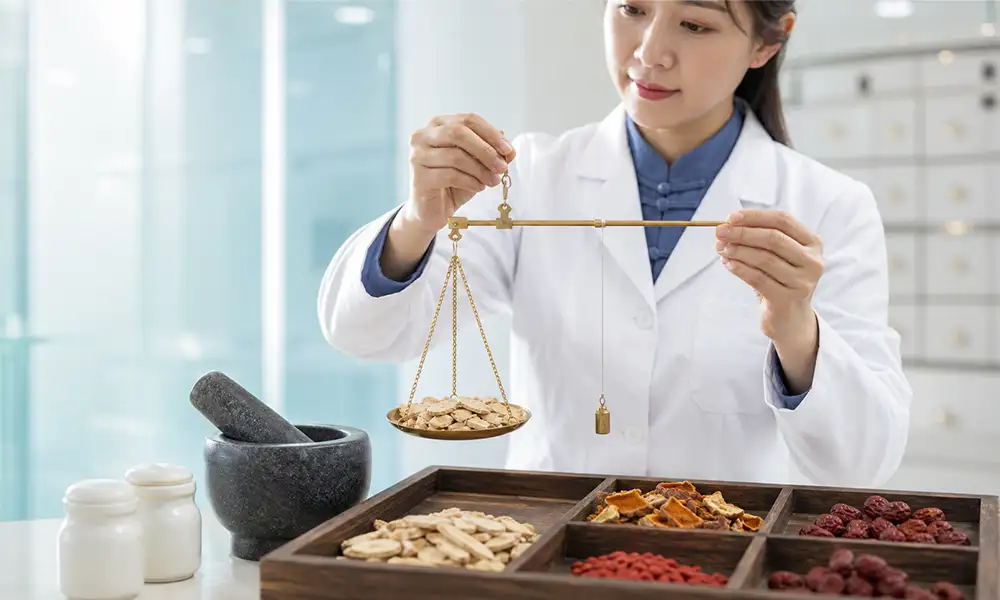
Core advantages of TCM conditioning/regulation
Based on the theories of "strengthening the body's vital energy to eliminate pathogenic factors" and "preventing disease before it manifests" (treating the pre-disease state), Traditional Chinese Medicine (TCM) serves as a complementary component of comprehensive therapy. It is used in coordination with various anti-tumor regimens at different stages of treatment rather than acting as the primary intervention for the tumor lesion itself.
1. Toxicity reduction during concurrent targeted therapy, radiotherapy, and chemotherapy
Utilizes herbal formulas that strengthen the spleen and kidneys, nourish yin, and promote fluid production to alleviate adverse effects—such as nausea, vomiting, leukopenia, oral mucosal injury, and radiation dermatitis or pneumonitis—thereby enhancing the patient's tolerance for completing the standard course of treatment.
2. Pre- and post-operative physical recovery
Preoperative conditioning of *Qi* and blood to improve baseline health; postoperative replenishment of *Qi* and strengthening of the body's protective mechanisms to alleviate weakness, excessive sweating, poor appetite, and fatigue, thereby facilitating a smooth recovery and preparing the body for subsequent anti-tumor therapy.
3. Comprehensive immune regulation and constitutional strengthening
Continuous conditioning based on syndrome differentiation helps correct internal imbalances and boosts immune cell activity; for patients in the stable phase, it focuses on long-term strengthening of the body's constitution to alleviate discomfort associated with physical frailty.
4. Synergistic external therapies; non-invasive and gentle
External therapies such as acupuncture, moxibustion (including *Pujiu*/bed-moxibustion), and herbal fumigation eliminate the need for long-term oral medication.These methods provide targeted relief for pain, insomnia, and gastrointestinal discomfort with minimal systemic impact, making them suitable options for the elderly or patients who cannot tolerate oral drugs.
5. Flexible combination of multiple regimens
Can be combined sequentially or simultaneously with all tumor treatment modalities—such as minimally invasive intervention, thermotherapy, radiotherapy, and immunotherapy—with an MDT (Multidisciplinary Team) coordinating the timing of Traditional Chinese Medicine (TCM) and Western medicine treatments to avoid drug interactions.
Distinctive features of TCM diagnosis and treatment
1. MDT: Integrated model combining Traditional Chinese Medicine and Western Medicine
TCM practitioners routinely participate in multidisciplinary tumor consultations, staying informed about surgical, radiotherapy, and chemotherapy plans. They coordinate the timing of internal and external TCM therapies, avoid drug-drug interactions between TCM and Western medicines, and facilitate synchronized treatment and one-stop management.
2. Standardized stratification protocol based on syndrome differentiation
Adheres to expert consensus on Traditional Chinese Medicine (TCM) oncology; applies syndrome differentiation across four stages—post-operative recovery, concurrent radiotherapy and chemotherapy, stable follow-up, and advanced palliative care—with dynamic, personalized prescriptions for each patient rather than relying on generic remedies.
3. Fully equipped, standardized TCM external therapy treatment room
Features dedicated areas for acupuncture, moxibustion, and fumigation therapies. Medical staff hold dual qualifications in Traditional Chinese Medicine (TCM) and Western medicine, ensuring strict control over moxibustion temperature, acupuncture depth, and fumigation duration to guarantee procedural safety.
4. Dynamic treatment plan adjustments based on full-cycle follow-up
At each follow-up visit, Western medical imaging and laboratory test results are reviewed. Prescriptions and the frequency of external therapies are adjusted promptly based on changes in symptoms and constitution; long-term monitoring of constitutional changes allows for the continuous optimization of the treatment regimen.
5. Quality control throughout the entire process of medicinal material handling
The hospital implements standardized, centralized procurement and storage of Traditional Chinese Medicine (TCM) decoction pieces, along with regular quality inspections, to ensure the stability and safety of the medicinal materials and minimize the risk of adverse reactions.
Theoretical definition of the technology
Traditional Chinese Medicine (TCM) management for tumors relies on the holistic system of syndrome differentiation. The core pathogenesis involves a deficiency of vital energy (*zhengqi*) combined with the accumulation of phlegm, blood stasis, and toxins. Adhering to the principle of "prioritizing the reinforcement of vital energy while simultaneously eliminating pathogenic factors," the approach employs two types of interventions—internal herbal medication and external physical therapies—throughout the entire course of care (pre-surgery, active treatment, and follow-up). Its primary functions include alleviating physical discomfort, regulating the *qi* and blood of the internal organs, and mitigating side effects associated with Western medical treatments; it serves as a crucial supportive measure within the integrated tumor diagnosis and treatment system.
Mechanisms of TCM conditioning/regulation
1. Strengthening the body's vital energy (Fuzheng Guben): Replenishing Qi and blood as well as liver, spleen, and kidney functions; repairing organ damage caused by treatment; and boosting the body's baseline immunity.
2. Toxicity reduction and organ protection: Mitigating damage and irritation to the digestive tract, bone marrow, and mucous membranes caused by radiotherapy and chemotherapy agents.
3. Unblocking meridians and relieving pain: acupuncture and moxibustion clear meridian qi and blood flow, alleviating cancer pain, neuropathic pain, and chronic musculoskeletal pain
4. Microenvironment modulation: Alleviating Qi stagnation, blood stasis, and phlegm-dampness to reduce persistent physical discomfort;
5. Symptomatic relief: Targeted alleviation of treatment-related symptoms such as insomnia, poor appetite, abdominal distension, dry mouth, and edema.

Complete Diagnosis and Treatment Process
1. Comprehensive initial assessment: collection of Western medical records, imaging, and lab reports; completion of traditional diagnostic procedures (inspection, listening/smelling, inquiry, pulse-taking); simultaneous screening for contraindications regarding acupuncture, moxibustion, and TCM
2. Personalized treatment planning: defining specific goals (e.g., toxicity reduction, strengthening the body's constitution, pain relief, or sleep improvement), combining internal and external therapies, and outlining the treatment schedule;
3. Standardized staged implementation: administers medication, acupuncture, and moxibustion at scheduled intervals;monitors patient sensations in real-time during treatment and adjusts intensity promptly
4. Dynamic prescription adjustment via regular follow-ups: Follow-up visits every 1–2 weeks to update herbal prescriptions and external therapy plans based on symptoms and Western medical test results.
5. Synchronized MDT coordination: If treatments such as radiotherapy, chemotherapy, or minimally invasive procedures are required, coordinate in advance with Western medicine physicians regarding medication intervals to avoid conflicts.
Safety and Precautions
1. Strict syndrome differentiation; do not use folk remedies or unverified prescriptions on your own: Treatment approaches vary significantly based on individual constitution, even for the same type of tumor; indiscriminate use of medication can easily place a burden on the gastrointestinal tract, liver, and kidneys.
2. Guidelines for concurrent use of TCM and Western medicine: Patients must inform the physician of all oral Western medications, targeted therapies, and immunotherapies so that dosing times can be staggered to minimize the risk of drug interactions.
3. Contraindications for external therapies: Skin ulceration, severe bleeding tendency, and high fever; acupuncture, moxibustion (including *pujiu*—moxa laid on the body), and fumigation are not performed on specific body areas during pregnancy; avoid exposure to wind, cold, or cold-water rinsing after moxibustion.
4. Monitor your physical sensations while taking the medication: If you experience persistent diarrhea, a skin rash, heart palpitations, or other discomfort, stop taking the medication immediately and return for a follow-up visit to have your prescription adjusted.
5. Caution regarding intervention for special populations: For patients with severe liver or renal failure, active bleeding, or severe cachexia, the treatment protocol must be significantly simplified, focusing primarily on gentle supportive care.
6. Cannot replace standardized anti-tumor therapy: Traditional Chinese Medicine (TCM) and external therapies serve only as supportive measures and cannot replace core interventions for the primary lesion, such as surgery, radiotherapy, chemotherapy, or targeted therapy.
FAQs
1. What primary role does Traditional Chinese Medicine (TCM) play in cancer treatment?
TCM can serve as a supportive measure for symptom management within a comprehensive treatment plan—for instance, helping to address loss of appetite, fatigue, poor sleep, or certain treatment-related discomforts.Specific effects vary by individual, and guarantees of results within a fixed timeframe should not be made.
2. Can Traditional Chinese Medicine (TCM) replace surgery, radiotherapy, or drug therapy?
Generally, no.For a confirmed malignant tumor, priority should be given to standard treatment protocols—such as surgery, radiotherapy, chemotherapy, targeted therapy, or immunotherapy; Traditional Chinese Medicine (TCM) may be used as an adjunct therapy following professional assessment.
3. Can I take Traditional Chinese Medicine (TCM) or receive acupuncture during radiotherapy and chemotherapy?
Some patients may undergo these treatments, but you must inform your oncologist in advance and ensure that a Traditional Chinese Medicine (TCM) practitioner experienced in oncology manages the care based on syndrome differentiation.Certain acupuncture or moxibustion procedures may need to be suspended if platelet counts are too low, the risk of infection is high, or the skin in the treatment area is damaged.
4. Do Traditional Chinese Medicines (TCM) interact with other medications?
It is possible.Certain traditional Chinese medicines or health supplements can affect hepatic enzymes, coagulation function, or drug absorption, potentially interacting with chemotherapy agents, targeted therapies, immunotherapies, and anticoagulants; therefore, it is essential to fully disclose all products currently being used.
5. Can I undergo acupuncture and moxibustion without taking Traditional Chinese Medicine (TCM)?
External therapies may be selected based on symptoms and physical condition, though not all patients are suitable candidates.Procedures must be performed by qualified medical personnel, avoiding tumor sites, areas of infection, skin damaged by radiotherapy, and regions with a high risk of bleeding.
6. Will long-term use of Traditional Chinese Medicine (TCM) affect liver and kidney function?
Some Traditional Chinese Medicine (TCM) ingredients may cause liver or kidney damage or other adverse reactions; "natural" does not equate to absolute safety.Long-term use requires regular follow-ups, prescription adjustments, and monitoring of liver/kidney function and blood counts as directed by a physician.


