


Indications
1. Applicable conditions
• Patients with intraperitoneal seeding or peritoneal metastasis requiring intensified local intervention to reduce the burden of abdominal lesions.
• Patients with recurrent, massive malignant ascites accompanied by abdominal distension, loss of appetite, and respiratory compromise who seek relief from these symptoms
• Post-operative status for abdominopelvic tumor; pathology indicates serosal invasion and positive findings for free intraperitoneal cancer cells; high risk of peritoneal metastasis; prophylactic local treatment required
• Cases with extensive, minute intraperitoneal lesions that cannot be completely resected; requires combination with debulking surgery to optimize local treatment.
2. Common indications
Gastric cancer, colorectal cancer, ovarian cancer, endometrial cancer, appendiceal mucocele, pseudomyxoma peritonei, malignant peritoneal mesothelioma;malignant ascites caused by various abdominopelvic tumors
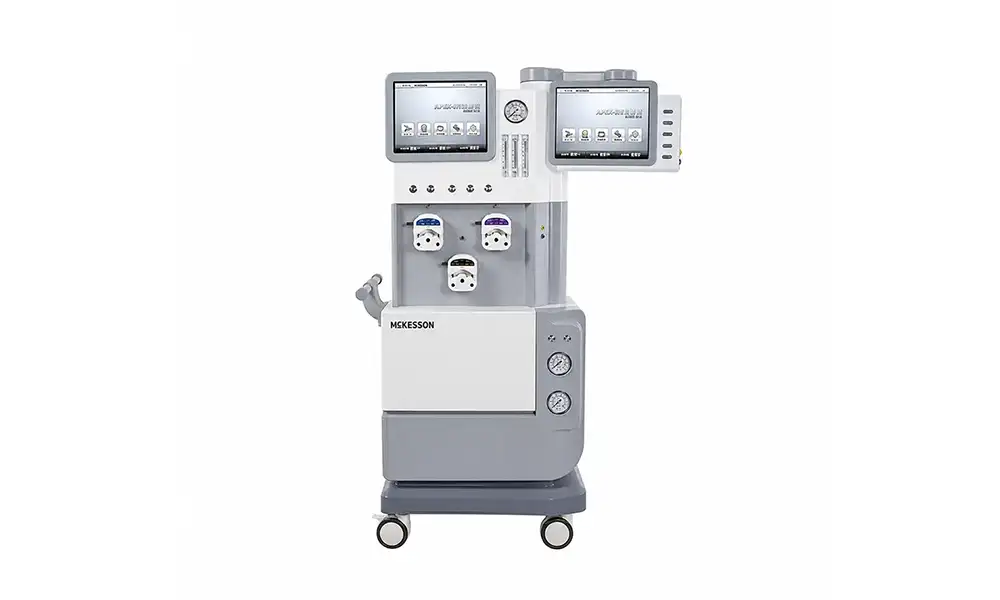
Core Strengths
1. Significantly increased local drug concentration; improved systemic tolerability
Chemotherapy fluid directly fills the peritoneal cavity, resulting in drug concentrations in the target area that are far higher than those achieved via intravenous administration; meanwhile, the amount of drug entering the systemic circulation is reduced, thereby lowering the likelihood of systemic chemotherapy-related adverse reactions.
2. Synergistic effect between hyperthermia and chemotherapy
Maintain a constant temperature of 41–43°C; hyperthermia increases tumor cell membrane permeability, inhibits DNA damage repair in tumor cells, and amplifies the efficacy of chemotherapy drugs against microscopic peritoneal lesions and free-floating cancer cells.
3. Circulatory lavage to reduce residual cancer cells in the peritoneal cavity
Continuous perfusion creates a fluid-based flushing effect that covers various spaces within the abdominal cavity, reducing the retention of microscopic tumor cells that are difficult to detect visually and minimizing blind spots in the management of local lesions.
4. Compatible with minimally invasive catheter placement; controllable trauma
For patients with isolated ascites who are unsuitable for open surgery, a perfusion catheter can be placed via a minimally invasive, ultrasound- or laparoscopy-guided procedure; this eliminates the need for large surgical incisions and results in a shorter postoperative recovery period.
5. Complementary and synergistic with systemic therapy and surgery
It can be used in conjunction with tumor debulking surgery and systemic targeted therapy, immunotherapy, or chemotherapy to optimize local abdominal disease control and address the limitation of systemic therapies in targeting microscopic abdominal lesions.
6. Precise temperature control while protecting normal organs
Standardized temperature-control equipment maintains a stable therapeutic temperature range; by exploiting the difference in heat tolerance between tumor cells and normal tissue, the treatment targets the lesion while minimizing the risk of thermal injury to normal abdominal organs.
Technical features
1. MDT: Upfront stratified assessment
Joint multidisciplinary consultations involving gastroenterology, gynecology, oncology, and radiology are conducted for every patient. Suitability is assessed based on the extent of peritoneal lesions, organ function, and systemic metastasis, ensuring that hyperthermic perfusion therapy is not administered in isolation.
2. Closed-loop, precise temperature-controlled circulation system
Equipped with professional constant-temperature circulation equipment to monitor the temperature, flow rate, and intra-abdominal pressure of the therapeutic fluid in real-time throughout the procedure; perfusion parameters are dynamically adjusted to ensure the temperature remains stable within the standardized therapeutic range.
3. Standardized dual-path procedures (intraoperative/minimally invasive)
Supports two modes: simultaneous perfusion during open surgery and ultrasound-guided minimally invasive puncture/catheter placement; catheterization plans are personalized based on the patient's surgical status and ascites burden.
4. Comprehensive monitoring and management throughout the treatment period
Heart rate, blood pressure, body temperature, and fluid balance are monitored throughout the treatment; symptomatic interventions are promptly administered if discomfort such as abdominal distension or low-grade fever arises. Imaging and blood tests are conducted at key treatment milestones to dynamically adjust treatment frequency.
5. Seamless integration of comprehensive diagnosis and treatment
Heated perfusion services are integrated with surgery, interventional radiology, and systemic chemotherapy departments;the timing of surgery, local perfusion, and systemic treatment is coordinated to ensure the continuity of comprehensive care.
Technical definition
Hyperthermic Intraperitoneal Chemotherapy (HIPEC) is a standardized regional local treatment technique that integrates three key mechanisms: thermal sensitization, high-concentration intraperitoneal chemotherapy, and physical fluid lavage. Under precise, constant-temperature conditions, a chemotherapy solution circulates in a closed loop within the abdominal cavity, acting directly on peritoneal implants, free-floating cancer cells, and micrometastatic nodules. It is widely used for the comprehensive management of peritoneal metastases from abdominopelvic tumors and malignant ascites.
Working principle/mechanism
1. Differential killing based on heat tolerance: In a 41–43°C thermal environment, tumor cells have lower tolerance than normal abdominal organs;sustained heating can directly damage tumor cell structures
2. Synergistic enhancement of thermochemotherapy: Hyperthermia opens channels in tumor cell membranes, facilitating the penetration of chemotherapy drugs; simultaneously, it blocks tumor cell self-repair pathways and enhances the drug's impact on micro-lesions.
3. Localized treatment with low systemic exposure: The therapeutic solution is confined to the peritoneal circulation, significantly reducing the dosage absorbed into the bloodstream via the peritoneum and alleviating the burden on systemic organs such as the liver, kidneys, and bone marrow.
4. Fluid mechanical lavage: The circulating perfusion fluid flows continuously, washing out the folds and crevices of the abdominal cavity;this reduces the adhesion of free cancer cells to the peritoneum and lowers the risk of continued progression of local lesions.
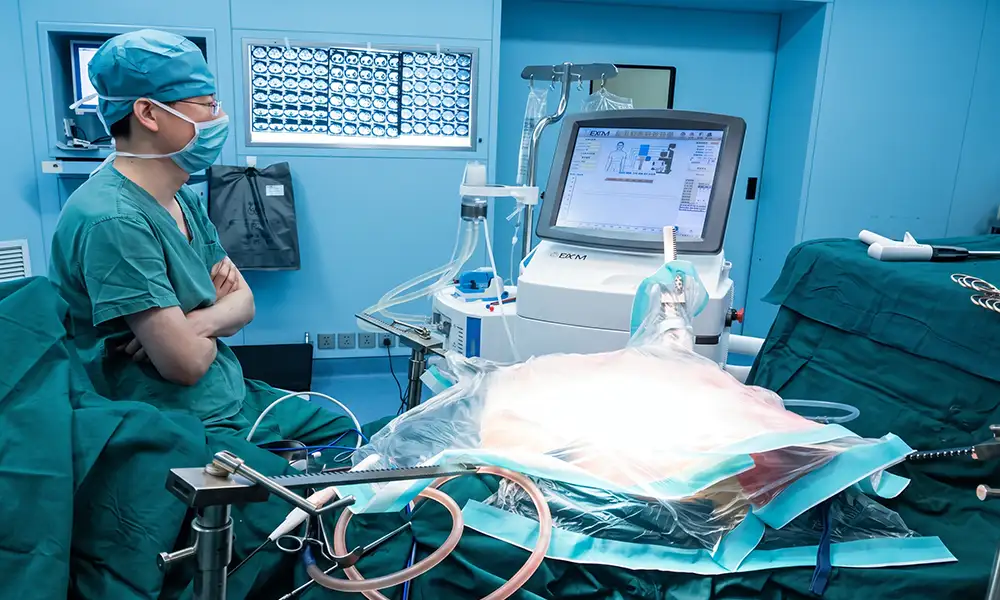
Treatment process
1. Comprehensive preoperative assessment: Complete contrast-enhanced CT, complete blood count (CBC), liver and kidney function tests, and coagulation studies; conduct an MDT consultation to clarify the treatment objective (preventive vs. therapeutic) and rule out contraindications.
2. Catheter placement: Depending on the patient's condition, a catheter is placed either intraoperatively or via minimally invasive ultrasound-guided puncture to establish a closed-loop circulation perfusion pathway.
3. Constant-temperature circulatory perfusion: Standardized temperature, flow rate, and duration are set for the continuous circulation of heated chemotherapy solution within the peritoneal cavity, with medical staff monitoring vital signs and patient sensations throughout the procedure.
4. Post-operative drainage and symptomatic management: After perfusion, the medicinal fluid is thoroughly drained from the abdominal cavity, and a drainage tube is left in place to monitor for exudate; supportive care, such as anti-emetics and fluid replacement, is administered concurrently.
5. Scheduled stratified follow-up: After the treatment course, review imaging and ascites markers, assess changes in peritoneal lesions, and have the MDT formulate a plan for subsequent systemic therapy or further follow-up.
Safety and Precautions
1. Strict preoperative screening for contraindications: Not suitable for patients with severe cardiopulmonary failure, severe cachexia, active intraperitoneal hemorrhage, extensive abdominal adhesions preventing safe access, or lower abdominal lesions during pregnancy.
2. Catheter site care: Keep the puncture or surgical incision site dry and clean; notify medical staff immediately if persistent fluid leakage, redness, swelling, or pain occurs.
3. Requirements for cooperation during treatment: Maintain a comfortable position during perfusion; immediately report persistent abdominal bloating, severe abdominal pain, palpitations, or fever;do not move the tubing yourself.
4. Management of transient post-operative reactions: Some patients may experience mild low-grade fever, abdominal distension, or nausea; these are generally short-term, reversible symptoms that can be gradually alleviated through physician-ordered fluid replacement and anti-emetic medication.
5. Prompt medical consultation for abnormal symptoms: Immediate contact with the attending physician for assessment is required if symptoms such as persistent high fever, severe abdominal pain, heavy bloody drainage, or severe vomiting preventing food intake occur.
6. Unified planning of the comprehensive plan: HIPEC requires integration with cytoreductive surgery and systemic chemotherapy or targeted therapy; the treatment intervals and number of cycles are determined by the multidisciplinary team—do not interrupt treatment or follow-up appointments on your own.
FAQs
1. What is hyperthermic intraperitoneal chemotherapy (HIPEC)?
Hyperthermic intraperitoneal perfusion involves circulating heated fluid or chemotherapy drugs within the abdominal cavity, allowing the medication to come into direct contact with the peritoneal surface and lesions inside the cavity.Its purpose is to enhance local treatment, although some of the drug may still enter the systemic circulation.
2. How does it differ from standard intravenous chemotherapy?
Intravenous chemotherapy acts on the entire body via the bloodstream, whereas hyperthermic intraperitoneal chemotherapy (HIPEC) primarily targets the abdominal cavity.The two are not mutually exclusive;many patients still require systemic treatment depending on their specific condition.
3. Which patients may be suitable candidates?
Primarily used for carefully selected cases of malignant tumors on the peritoneal surface or peritoneal metastases—such as certain tumors originating from the appendix, colorectum, stomach, or ovaries.Evidence-based data varies by disease type; assessment by a multidisciplinary team specializing in peritoneal tumors is required.
4. Must it be performed concurrently with tumor debulking surgery?
Classic HIPEC is typically performed under general anesthesia during cytoreductive surgery. Some medical institutions also offer therapeutic perfusion via intraperitoneal catheters;as indications, procedural workflows, and treatment frequencies differ between the two, it is advisable to confirm the specific technique name during consultation.
5. How long does a single perfusion take? How many sessions are needed?
Intraoperative HIPEC is typically a one-time procedure, with the circulation time determined by the specific drugs and protocol used; conversely, catheter-based perfusion may be administered in multiple sessions.Therefore, it is inappropriate to generalize all hyperthermic intraperitoneal chemotherapy protocols based on a fixed number of sessions.
6. What are the potential risks?
Risks depend on the scope of surgery, medications used, and the patient's organ function; potential risks include infection, hemorrhage, gastrointestinal complications, bone marrow suppression, and impairment of liver or renal function.Post-treatment monitoring of complete blood count (CBC), electrolytes, liver and renal function, and abdominal symptoms is required.


